
.jpg?width=26&height=26&name=image%20(27).jpg)


There is something very seductive about a low mileage motorhome. It sits there on the advert...
.png?width=26&height=26&name=facebookmobile%20(Custom).png)
.png?width=26&height=26&name=instgrammobile%20(Custom).png)
.png?width=26&height=26&name=twittermobile%20(Custom).png)
.jpg?width=26&height=26&name=image%20(28).jpg)
Months on a driveway or storage pitch can change the way a motorhome stops. Here is what to check before the first proper trip, and the warning signs that mean it needs a technician rather than a hopeful drive round the block.
A motorhome can look perfectly ready after a long break. The paintwork is still there, the fridge is full of optimism and the key turns as it should. That tells you almost nothing about the brakes. They have spent months carrying a heavy vehicle, exposed to damp air and road grime, with very little movement to keep their parts free.
A thin film of rust on a brake disc is common after standing. A brake that drags, grabs, pulls the motorhome to one side or leaves a wheel hot is a different matter. The safest first trip begins with an inspection, a gentle test in a safe place and the willingness to stop if something feels wrong.
What happens to brake discs and calipers
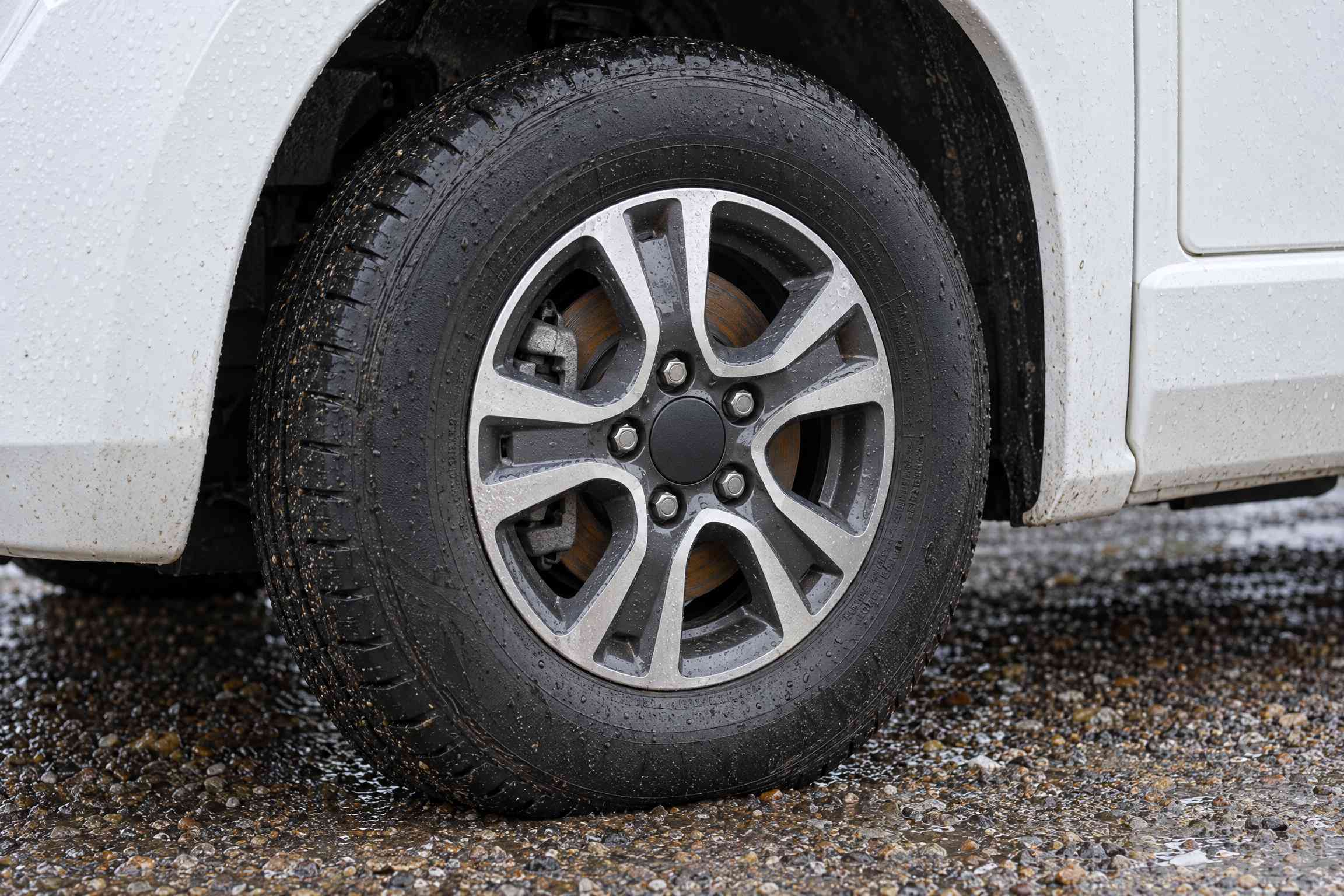
The shiny faces of brake discs rust quickly when they are wet and not being used. A light orange bloom can appear after only a short spell of damp weather. It is not automatically a reason to replace anything, but you should not decide it is harmless without considering how the brakes feel once the motorhome moves.
The more serious concern is corrosion where the pads, caliper pistons or caliper slide pins need to move. A caliper that cannot release properly can leave one brake dragging. That creates heat, uneven wear and sometimes a sharp smell after a short drive. If the motorhome pulls under braking, makes a repeated grinding noise or has one wheel that is noticeably hotter than the others, do not carry on to see whether it improves.
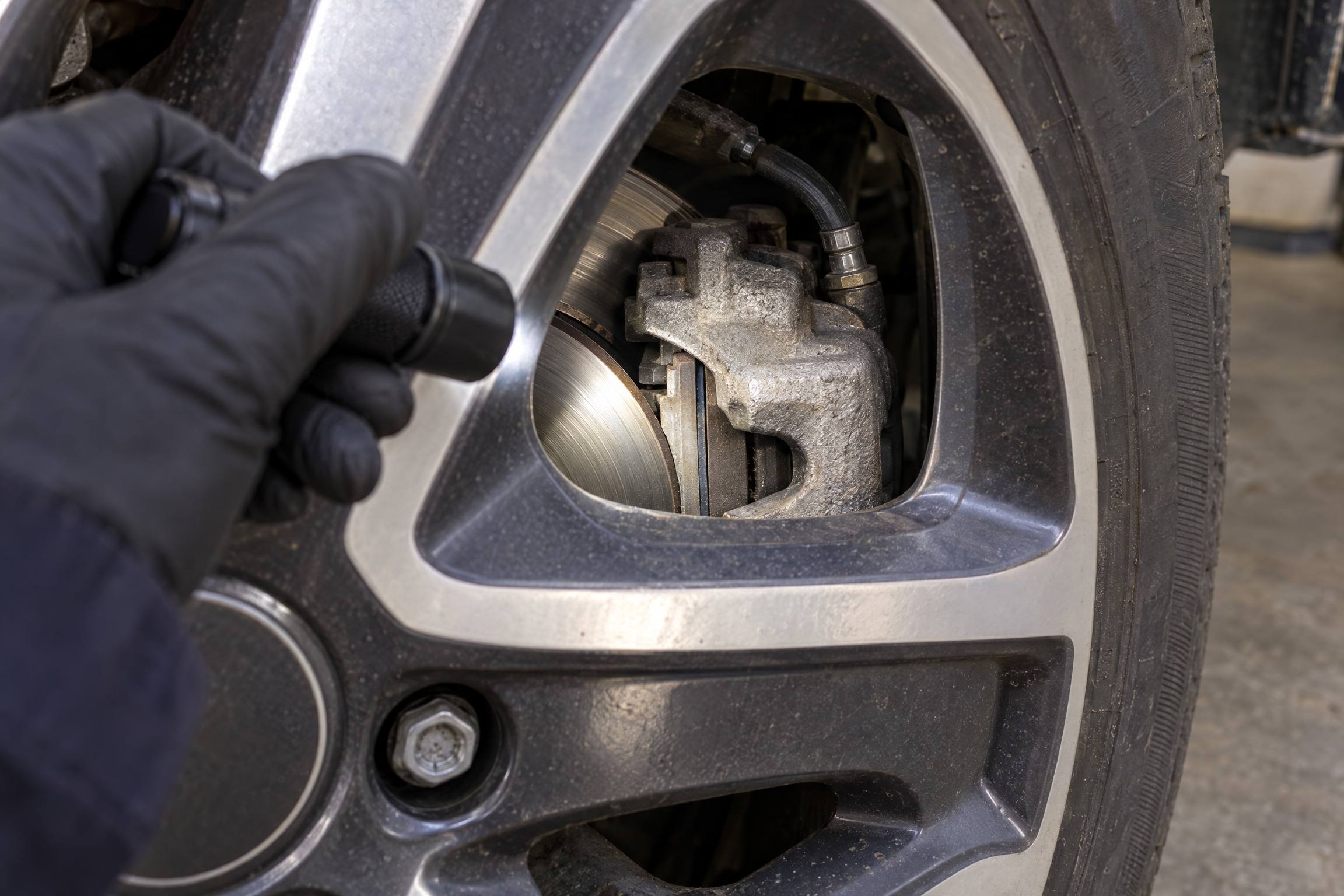
The parking brake deserves the same attention
The parking brake can also bind after a damp lay up, especially if it has been left on for months. On some motorhomes it acts on the rear discs, while others use a drum arrangement inside the rear brake disc. Either way, a cable, lever or brake shoe that stays put when it should release can make the first pull away feel as though the motorhome is towing a very reluctant shed.
For a future long lay up, follow the handbook and your storage site’s rules. On a suitable secure private pitch, wheel chocks and the correct gear selection can reduce the need to leave the parking brake applied for months. Before the first outing, check that the parking brake releases fully and that the motorhome rolls freely when it is safe to do so. Do not get underneath it or dismantle brake parts at home unless you are properly equipped and competent to do that work.
Brake fluid does not care how few miles you have done
Brake fluid is easy to forget because it sits quietly in a reservoir under the bonnet. Most modern systems use glycol based fluid, which absorbs moisture over time. That matters because moisture lowers the fluid’s boiling point and can also encourage corrosion inside the hydraulic system. Low mileage does not stop the clock.
Check the fluid level with the motorhome on level ground, but do not use colour alone to judge it and do not casually top it up to hide a falling level. A low level can be linked to worn pads or a leak, both of which need checking. Use the fluid specification and change interval in your own handbook. On an ABS equipped motorhome, a proper fluid change may need diagnostic equipment to operate the system correctly, so it is a job for a qualified technician.
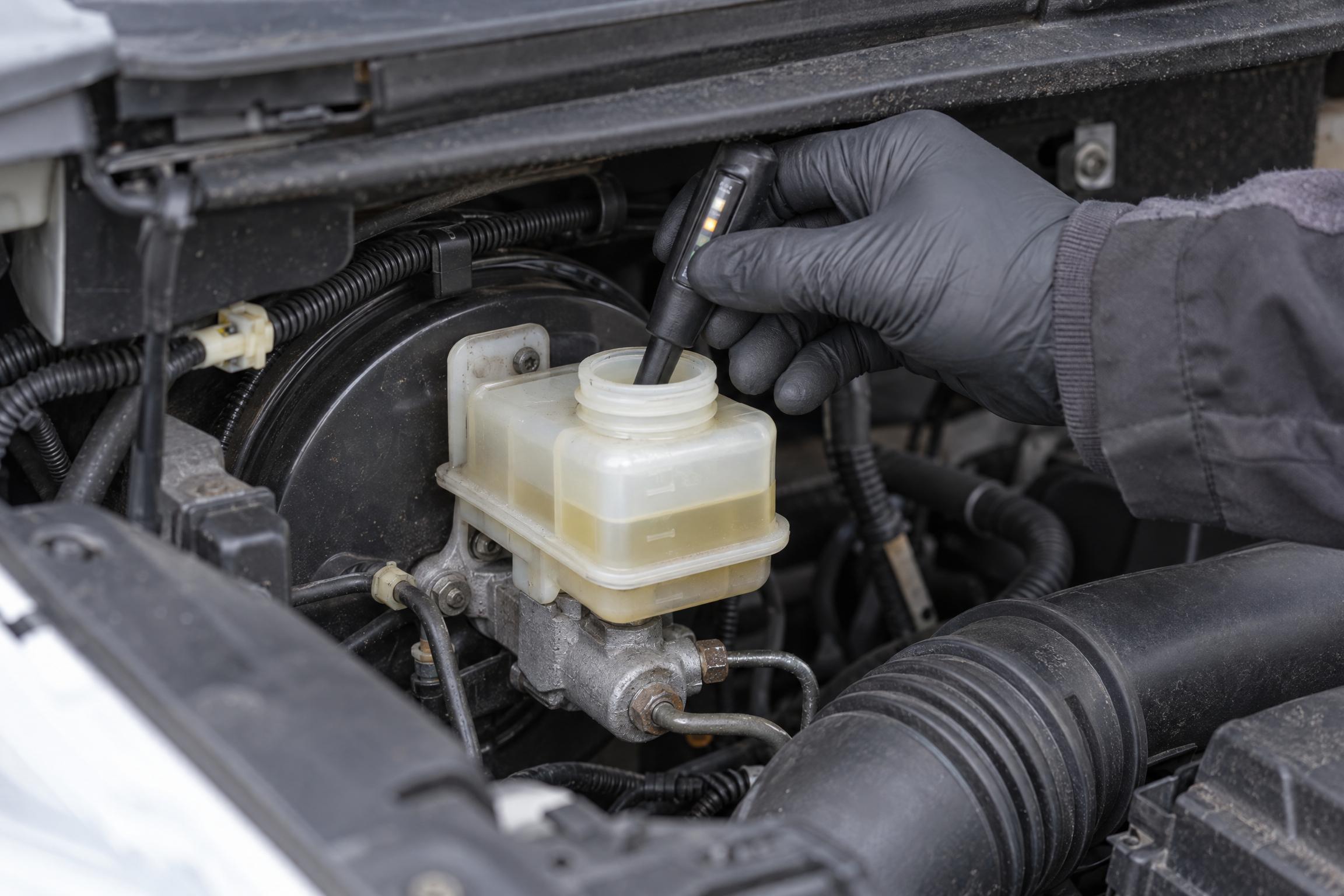
Tyres can complain before the brakes do
A motorhome puts a lot of weight through tyres that may sit in one position for weeks. That can create a temporary flat spot, often felt as a thump or vibration for the first few miles. Long storage, low pressure and a heavy load make the risk greater. A vibration that does not ease as the tyres warm up needs professional attention.
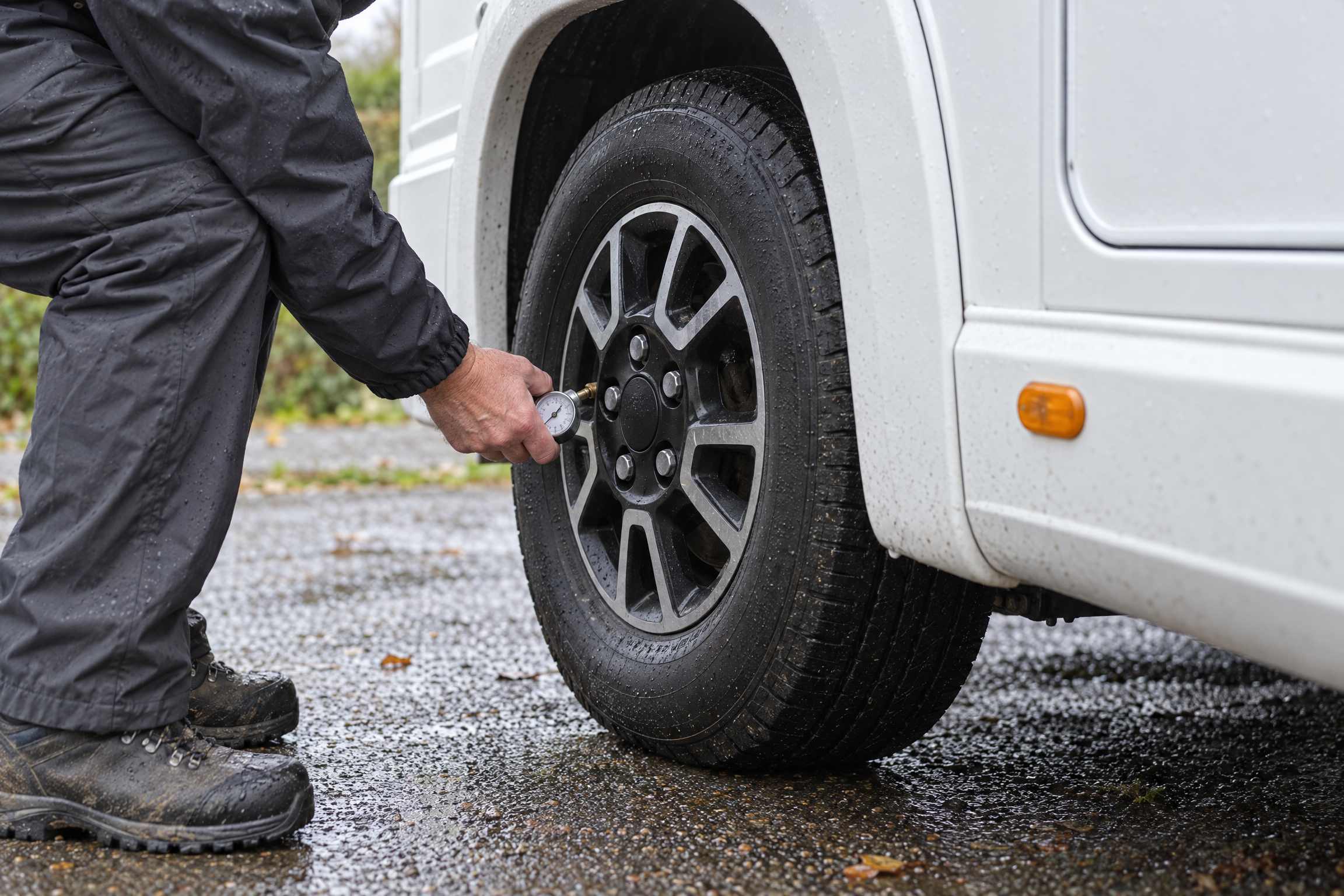
Before moving off, use the pressures specified for your own motorhome and its normal load. Do not rely on the maximum figure moulded into the tyre sidewall. Inspect each tyre for cuts, bulges, cracking, embedded objects and uneven wear. Pay particular attention to the inner sidewalls and the rear tyres, which are easy to ignore until they have become an expensive opinion.
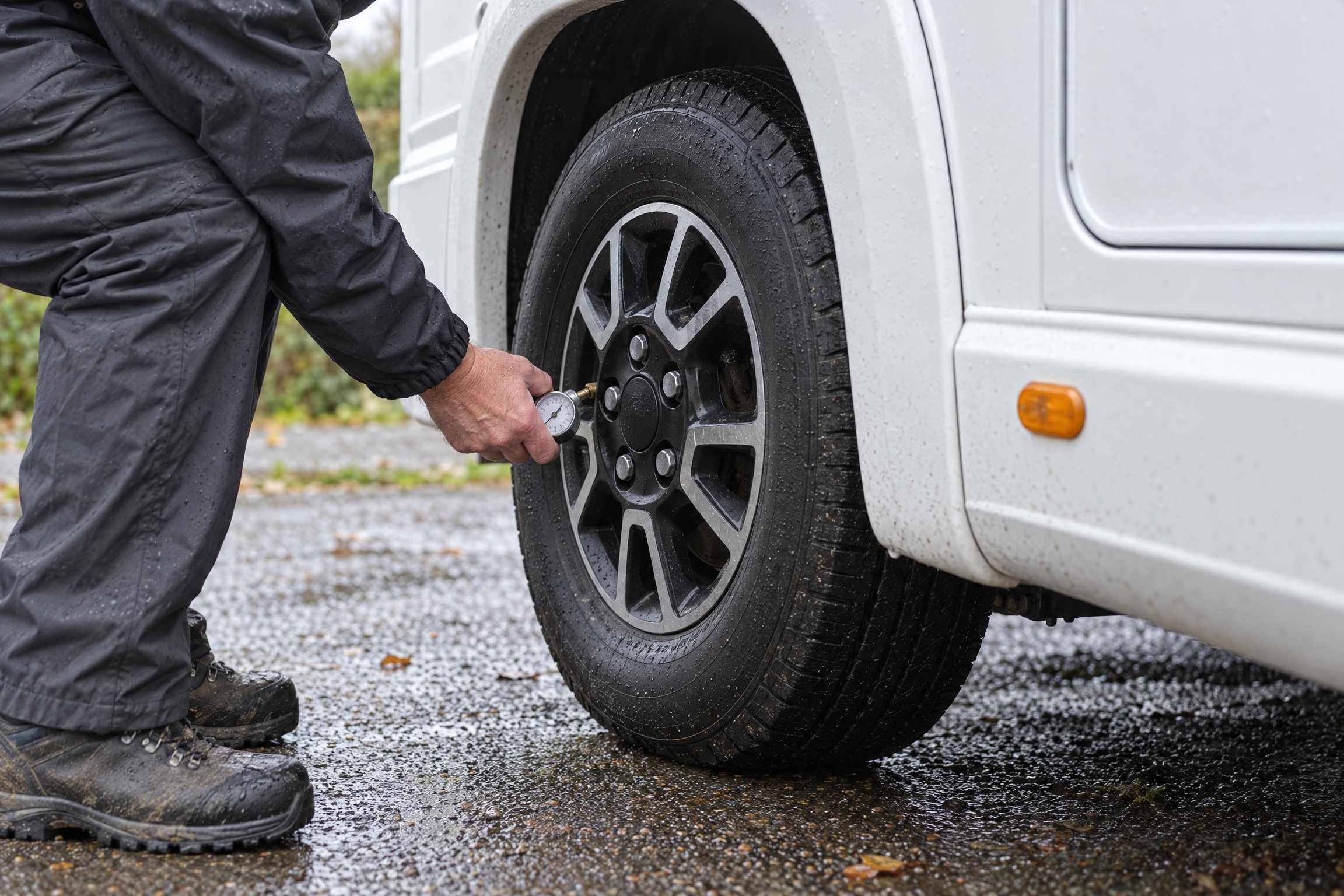
A sensible first trip check
Start before the engine is running. Look for fluid on the ground, check the brake fluid is between its marks, inspect the wheels and tyres, and make sure there are no brake or ABS warning lights once the ignition sequence has completed. An MOT is useful, but it is not a service and does not involve removing the wheels to inspect every brake component. The DVSA’s MOT guidance makes the same distinction.
Then move the motorhome only a few metres on level ground. It should roll cleanly, the brake pedal should feel firm and the parking brake should release properly. In a quiet safe area, use a few gentle low speed brake applications. The motorhome should stop straight, without a pull, a grinding noise, a pulsing pedal or a smell of hot brakes.
• Stop and arrange a professional inspection if the pedal feels soft, sinks unusually far or a brake warning light remains on.
• Do not drive on if the motorhome pulls sharply, a wheel is hot, there is smoke or a burning smell, or it feels as though a brake is still applied.
• Treat persistent vibration, deep disc rust, heavy pitting, visible leaks, bulges or tyre damage as a reason to have the vehicle checked before a proper journey.
Why a short drive is not a repair plan
A dry disc with light surface rust may clean up through normal, gentle brake use. That is very different from trying to cure a seized caliper, a stuck parking brake or a soft pedal by driving further. A heavy motorhome asks a lot of its brakes, particularly on a hill or with a full load. It is not the vehicle to gamble on when something already feels odd.
If the motorhome has spent a season or more standing, include brake condition in the first vehicle service of the year. Ask for the brakes, tyres and running gear to be assessed alongside the usual engine work. That gives you a real answer before the first long run, rather than finding out on a steep descent with a kettle, two bicycles and a week’s shopping behind you.
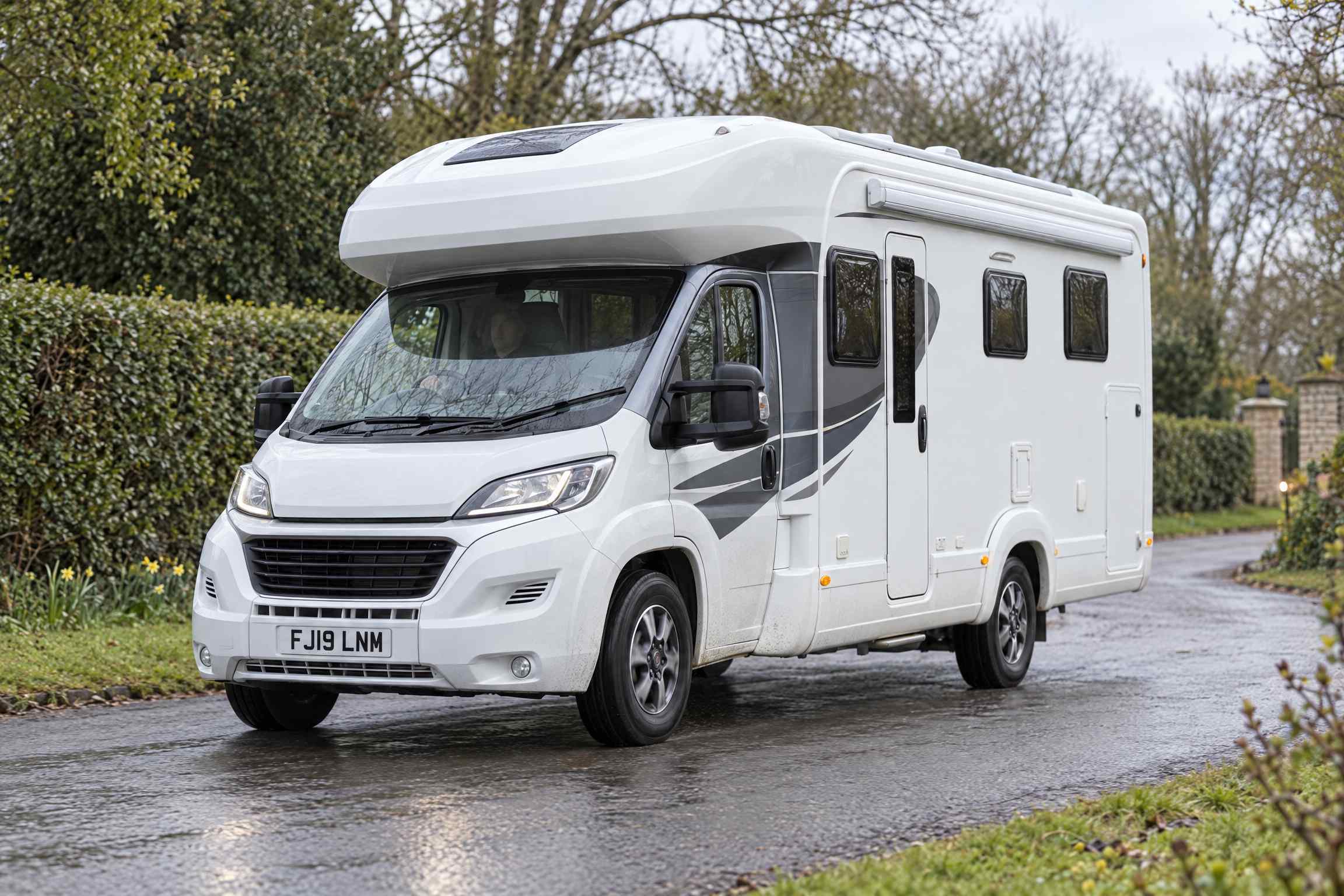
The simple rule before you go
Do not be alarmed by every trace of rust. Be alert to any change in how the motorhome rolls, stops or feels through the pedal. The difference matters. Light surface corrosion may be normal after storage, but a warning light, pull, grab, heat, noise or soft pedal is the motorhome telling you not to set off yet.
A few minutes of checking can prevent a ruined first trip, a damaged brake and a very expensive recovery. If there is any doubt, book the inspection. Brakes are one of the few parts of a motorhome where “it will probably be fine” is not a maintenance plan.
Subscribe to our newsletter and get the latest articles delivered straight to your inbox

There is something very seductive about a low mileage motorhome. It sits there on the advert...

Driving a motorhome requires concentration, spatial awareness, and a calm environment. The Highway...
Right then, let's be honest. There are few things more frustrating than pulling up to a sun...
