
.jpg?width=26&height=26&name=image%20(27).jpg)


Are you heading to Europe in your motorhome and thinking of bringing your car along for the ride?
.png?width=26&height=26&name=facebookmobile%20(Custom).png)
.png?width=26&height=26&name=instgrammobile%20(Custom).png)
.png?width=26&height=26&name=twittermobile%20(Custom).png)
.jpg?width=26&height=26&name=image%20(28).jpg)

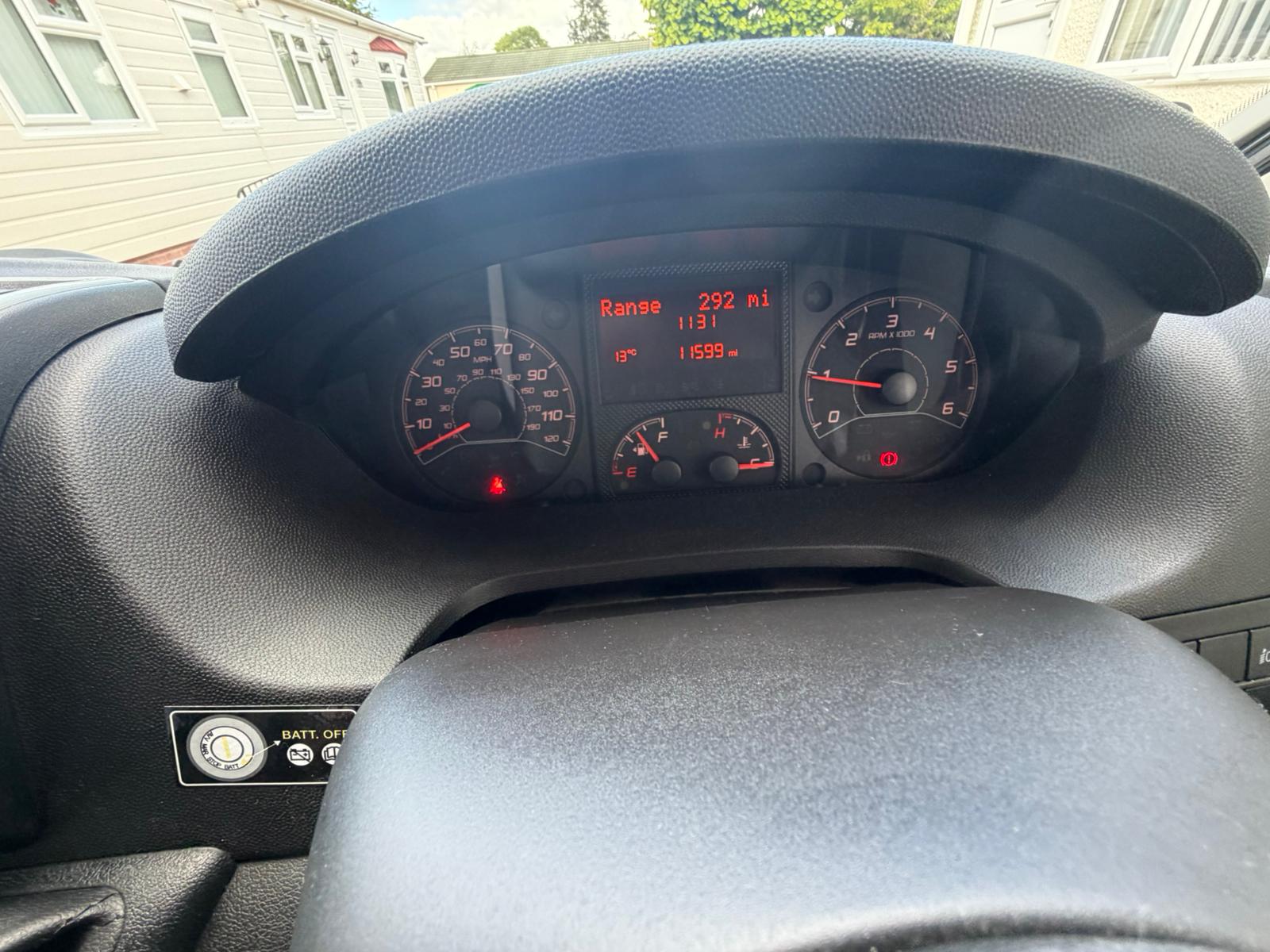
There is something very seductive about a low mileage motorhome. It sits there on the advert looking smug, all shiny paintwork, spotless upholstery and a mileage figure so tiny you start wondering whether it has actually been driven or just gently admired from the driveway.
And yes, low mileage can be brilliant. Nobody is pretending a motorhome that has dragged itself round Europe, up every mountain pass and through every supermarket car park entrance barrier is automatically a better bet. But the odd thing about motorhomes is that doing very little can sometimes be just as unkind as doing a lot.
The mileage number is only part of the story
We have all been trained to worship the odometer. Low miles means good, high miles means run away, yes? Not quite. With a motorhome, condition is often a better storyteller than mileage, because these vehicles are not just engines with seats. They are houses on wheels, and houses do not enjoy being abandoned either.
A motorhome that has covered 18,000 miles but has been used regularly, serviced properly and stored sensibly may be a much healthier buy than one showing 4,000 miles that spent most of its life sitting under a tree, growing a light moustache of algae and quietly sulking through damp British winters.
Vehicles like to move, annoying as that sounds
A motorhome is a mechanical thing, and mechanical things prefer exercise. A proper drive now and again helps warm everything through, keeps fluids moving, gives the brakes a chance to clean themselves up and helps the batteries do something more useful than slowly give up in silence. Leave it sitting too long and it can start to feel less like a ready to go motorhome and more like a collection of sulking parts waiting for your first weekend away.
The problem with a motorhome sitting still is that it can look absolutely fine while small problems are forming underneath. The seller may say, quite honestly, that it has hardly been used. What they may not realise is that hardly used is not the same as lovingly preserved. Sometimes it means the poor thing has been left to act as a very expensive shed.
Tyres can look innocent and still be trouble
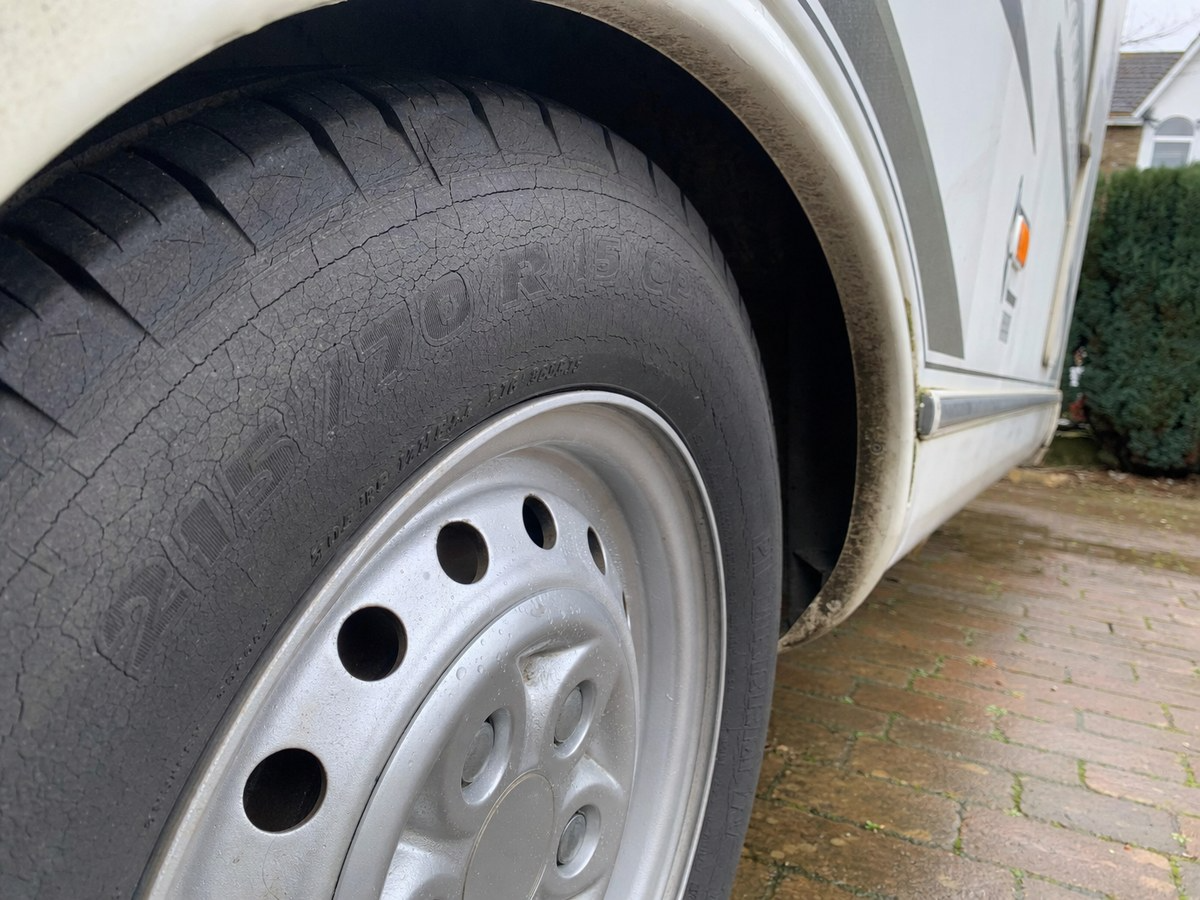
Tyres are where low mileage can be especially sneaky. Plenty of tread does not automatically mean plenty of life. A motorhome can be sitting there with deep, chunky tread and still have tyres that are past their best. If it has been left standing outside, exposed to sun, rain, frost and changing temperatures, the sidewalls can start to crack and perish even though the tread looks perfectly respectable. Add in the weight of a motorhome pressing on the same patches of rubber for long periods, and you can also end up with flat spots, vibration and, in worse cases, permanent tyre damage.
Then there is age. Tyres are the only parts of the motorhome in contact with the road, so acceleration, braking, steering and cornering all depend on a very small contact area. They also need to be correctly inflated for the load, because under inflated tyres are much more likely to overheat, fail suddenly and make a large motorhome very difficult to control. In plain English, the tyres are not the place to play bargain bingo.
Do not just count the tread, read the date
When viewing a low mileage motorhome, check the tyre date codes and look closely for cracking, bulges, cuts and uneven wear. Pay attention to the sidewalls, because that is where age and standing still often start writing their little horror novel. A tyre can have enough tread to impress your uncle at a barbecue and still be past its best.
There is no single magic age at which every motorhome tyre becomes dangerous overnight. But age still matters, because rubber hardens, sidewalls can crack and a tyre can look usable long after it has stopped being something you would trust on a wet road with cupboards full of plates behind you. The sensible approach is simple: if the tyres are old, unknown, cracked or mismatched, budget for replacements before you start mentally spending the saving on a new awning.
Brakes hate damp, idleness and optimism
Brakes are another area where low mileage can hide a sulk. When a motorhome sits around, especially in damp weather, brake discs can rust. A little surface rust may clean off after gentle use, but pads can stick, calipers can seize and handbrake mechanisms can become stubborn. Leave it long enough and the first proper drive can turn into a chorus of scraping, squealing and deeply expensive noises.
This is why a test drive matters. Not a heroic 30 second shuffle around the seller’s cul de sac while they tell you the reversing camera is “a bit temperamental”. A proper drive. Listen for scraping, grinding, squealing or a rhythmic rubbing noise. Feel for pulling to one side, vibration through the pedal or brakes that seem reluctant to release. If it smells hot after a short drive, that is not character. That is a warning.
The battery may have had a lonely little life
Motorhomes often have more than one battery to worry about. There is the starter battery, which gets the engine going, and the leisure battery or batteries, which feed the living side of things. A low mileage motorhome that has been sitting for months can flatten both, especially if alarms, trackers, control panels or small parasitic drains have been quietly sipping away in the background.
Vehicle batteries like to stay charged. Letting them run low again and again can shorten their life, and a motorhome that has not been started or charged for weeks can easily end up with a flat or weakened battery. A battery that has repeatedly gone flat may charge just enough to behave during a viewing, then expire dramatically the first time you ask it to run the lights, pump and fridge while parked on a wet field in Norfolk.
Ask how it was stored, not just how little it moved
A careful owner may have used a smart battery maintainer, checked the charge, driven the motorhome regularly and kept the leisure battery healthy. Lovely. Give that person a biscuit. But if the answer is “it has just been sat there really”, start asking more questions.
Check whether the starter battery turns the engine briskly from cold. Check the leisure battery voltage if there is a control panel. Test lights, pump, blown air heating controls, electric steps, fridge ignition and anything else that relies on 12 volt power. If the battery is weak, it is not necessarily a deal breaker, but it is a negotiating point and a clue about the wider care the motorhome has received.
Seals need movement and moisture is a menace
Seals, gaskets and hoses do not improve by being ignored. Fluids moving through a vehicle help keep parts lubricated and working as intended. Regular use helps everything reach operating temperature, which is far better for seals and gaskets than months of cold, static silence. Leave a vehicle sitting too long and dried out seals, perished hoses and little leaks can all start appearing.
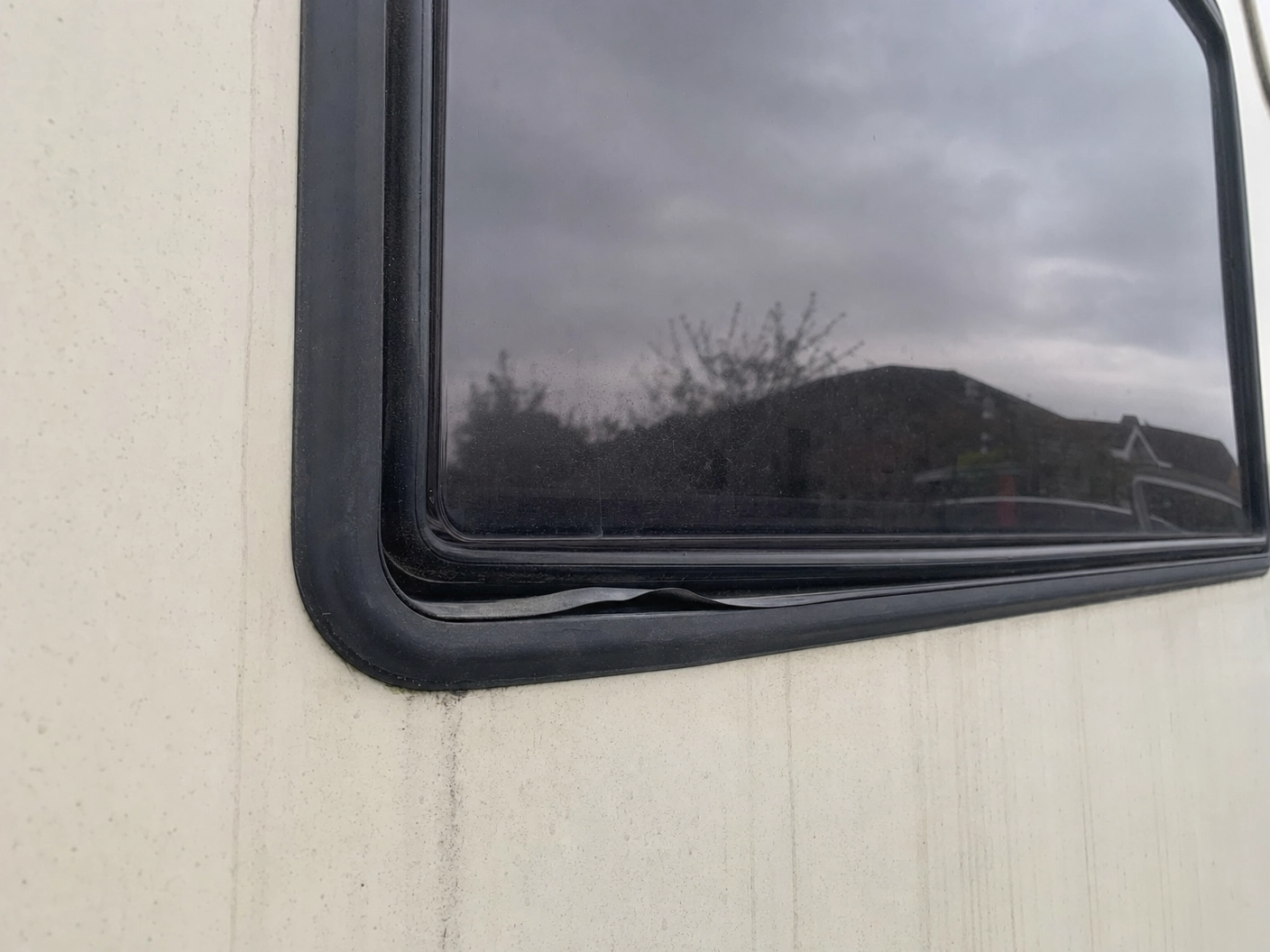
On the habitation side, seals are just as important. Window seals, roof light seals, locker seals, door seals and roof joints all have a job to do, and that job is keeping weather outside where it belongs. A motorhome can have low miles and still have damp creeping in if it has sat through years of rain, frost, heat and neglect. Always check for musty smells, soft wall panels, staining, rippled surfaces and suspiciously fresh fragrance sprays. If it smells like a pine forest has exploded inside, ask yourself what the trees are hiding.
Fuel does not stay fresh forever
Fuel is another boring topic right up until it becomes an expensive one. Petrol and diesel can degrade over time, and moisture in a partly empty tank is not your friend. After months of sitting, old fuel may contribute to poor running, awkward starting or deposits in the fuel system.
A motorhome that has done very few miles may have had the same fuel sitting in the tank for a long time. That does not mean panic. It does mean you should pay attention to how it starts, idles and pulls under load. Hesitation, rough running, warning lights or repeated cutting out should not be waved away with “they all do that”. They do not all do that. Some of them are trying to tell you something.
Service history beats shiny polish
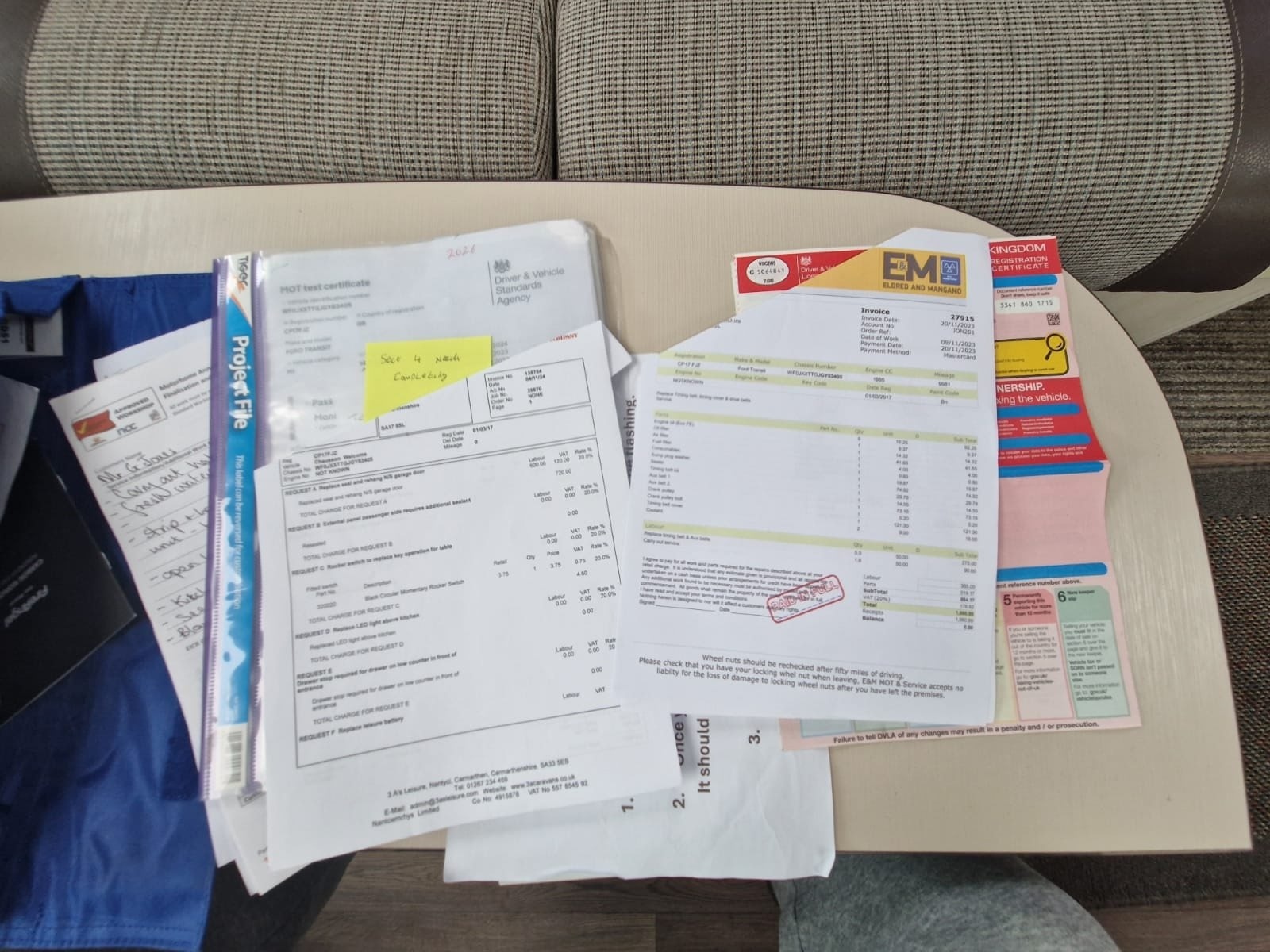
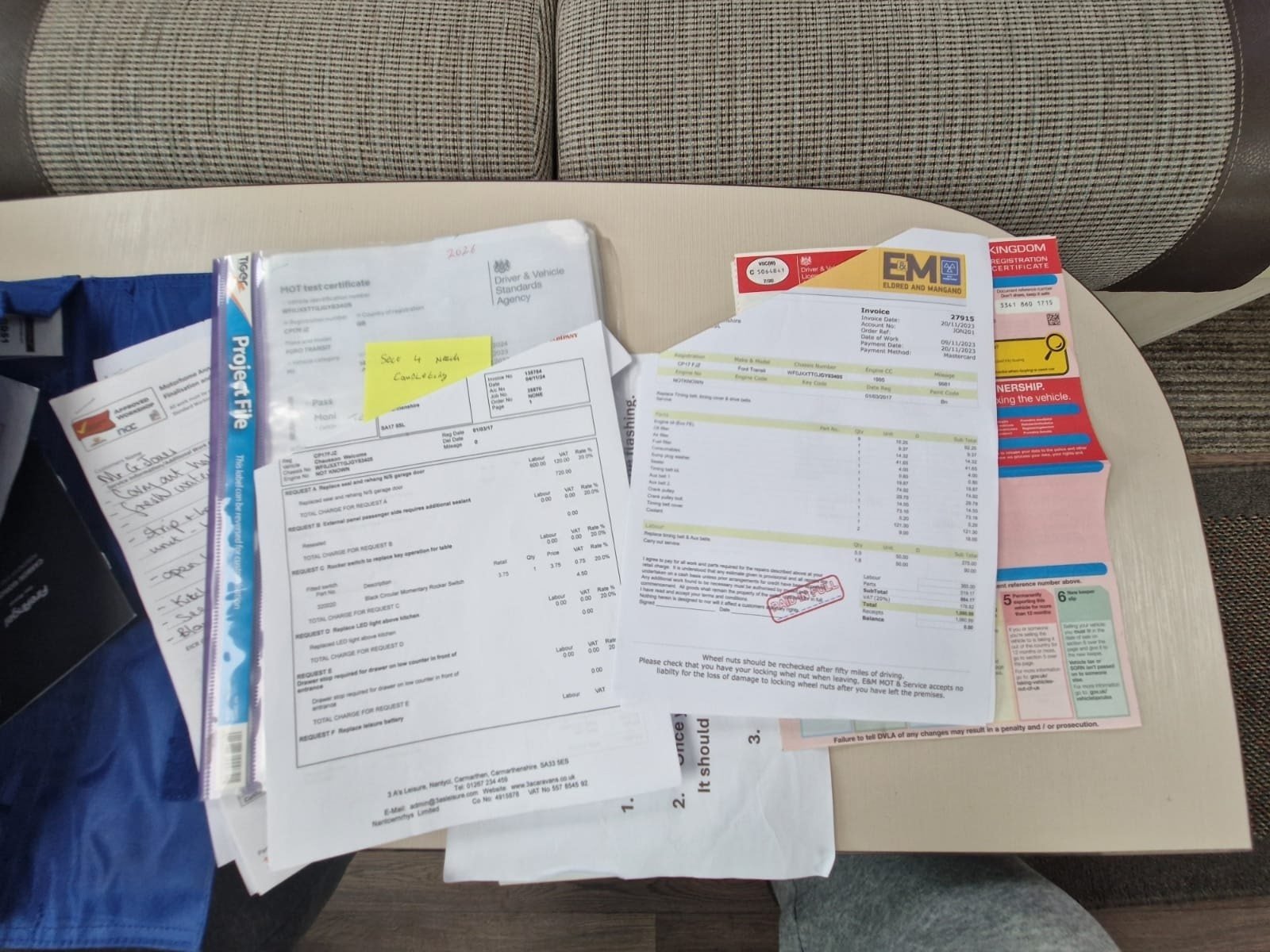
The best low mileage motorhome is not the one with the most impressive polish. It is the one with evidence. Service receipts, MOT history, tyre invoices, habitation checks, damp reports, battery replacement records and proof of regular use are all worth far more than a seller saying “we never really got round to using it”.
A stamped service book is useful, but a folder full of boring receipts is better. Boring is beautiful when you are buying a used motorhome. Give me a receipt for brake fluid, a damp check and four correctly rated tyres over a freshly shampooed carpet any day. You cannot tour Scotland on Febreze and hope.
A low mileage bargain can still be a bargain
This is not an attack on low mileage motorhomes. Some are genuinely excellent. Maybe the owner kept it garaged, took it out monthly, serviced it on time, changed the tyres by age rather than tread and treated the habitation side like a tiny palace. If so, brilliant. That is the sort of low mileage motorhome everyone wants.
But the phrase low mileage should start a conversation, not end one. Ask why it is low. Ask where it was stored. Ask how often it moved. Ask what has been replaced because of age rather than wear. A motorhome can be low mileage because it was cherished and used carefully. It can also be low mileage because someone bought the dream, discovered the reality involved emptying a toilet cassette, and parked it up for five years.
What to check before you fall in love
Before buying, look at the tyres for age, condition and correct specification. Many motorhomes use Light Commercial C or CP type tyres, and CP tyres are designed to cope with the higher loads often imposed by motorhomes. That matters, because the wrong tyre may look fine while being unsuitable for the job.
Check the brakes on a proper test drive, not just in the driveway. Test the batteries and all 12 volt equipment. Look for oil, coolant, fuel or brake fluid leaks. Ask whether old fuel has been drained or diluted with fresh fuel if the motorhome has been standing. Insist on a damp check if there is any doubt at all, because damp is the sort of guest that arrives quietly and then eats the furniture.
The verdict: polished problem or quiet gem?
Low mileage is neither a halo nor a crime. It is just one clue. The motorhome still needs to prove it has been maintained, exercised and protected from the slow mischief of sitting still. If it has, you may have found a gem. If it has not, that bargain price can quickly start wearing a false moustache and asking for your credit card.
So by all means, get excited about a low mileage motorhome. I would too. But do not let the odometer hypnotise you. Look underneath, ask awkward questions, read the tyre dates, test the brakes, check the batteries, sniff for damp and remember that a motorhome is meant to roam. If it has spent most of its life posing on a driveway, make sure it still remembers how.
Subscribe to our newsletter and get the latest articles delivered straight to your inbox.

Are you heading to Europe in your motorhome and thinking of bringing your car along for the ride?
The skylight is a wonderful thing - it does what it says on the tin, providing natural light,...
.jpg?height=200&name=shutterstock_1881375424%20(2).jpg)
If you are anything like us, you might be in the process of planning your summer trips and weekends...