.jpg?width=26&height=26&name=image%20(27).jpg)

Food is the World’s currency Living in a van for the past eight years has taught me plenty. I've...
.png?width=26&height=26&name=facebookmobile%20(Custom).png)
.png?width=26&height=26&name=instgrammobile%20(Custom).png)
.png?width=26&height=26&name=twittermobile%20(Custom).png)
.jpg?width=26&height=26&name=image%20(28).jpg)
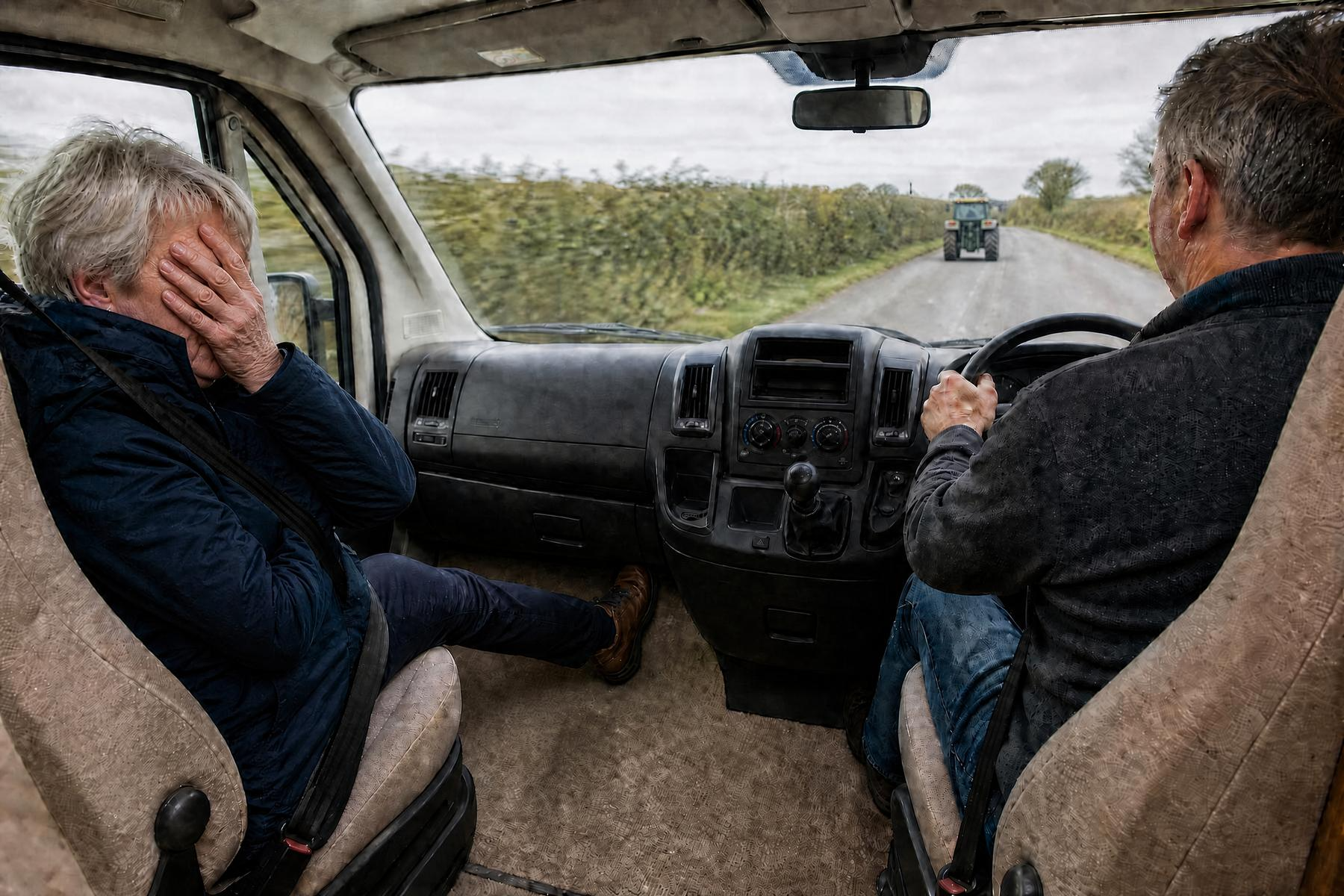
Driving a motorhome requires concentration, spatial awareness, and a calm environment. The Highway Code is very clear on this. What the official guidance fails to mention is the unique challenge of driving a large, heavy vehicle while sitting next to an unpaid and highly anxious driving instructor who also happens to be your spouse. They do not have dual controls, a clipboard, or any formal qualifications. But they do have a sharp intake of breath that can shatter the peace of a quiet country lane.
The most common feature of the passenger seat instructor is the imaginary brake pedal. When approaching a roundabout, a tight corner, or a completely stationary tractor half a mile away, you will notice their right leg straighten. Their foot presses firmly into the cab carpet. They are braking for you. It has absolutely no mechanical effect on the motorhome, but it does wonders for their calf muscles and the general tension in the cab.
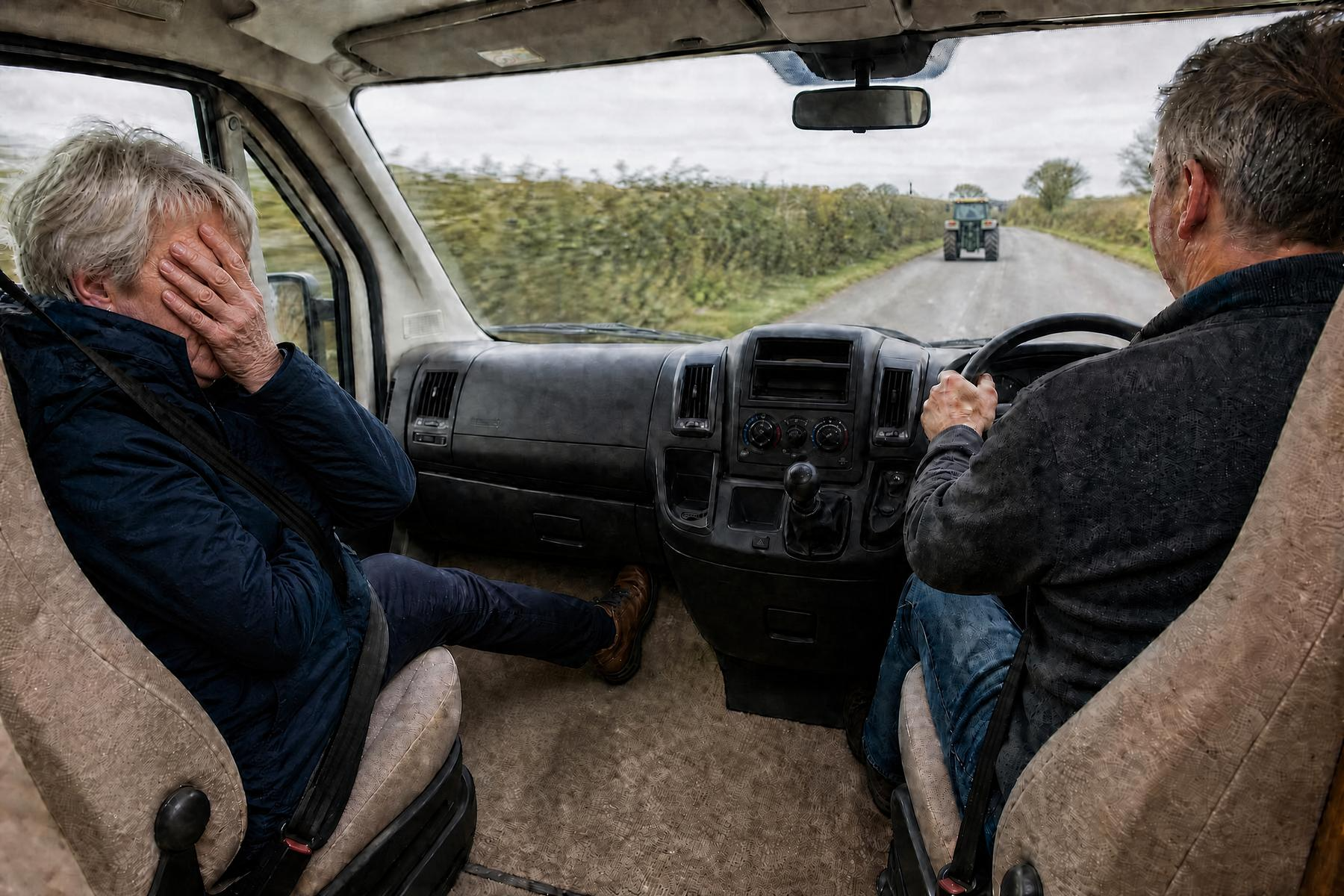
The entirely unhelpful verbal warnings
Then there is the verbal advice. You are cruising happily along a straight, clear A road when your partner suddenly gasps, braces themselves against the dashboard, and shouts, "Watch out!" You slam on the brakes, check the mirrors, scan the horizon for wandering sheep, and ask what the terrible danger is. "That car," they reply, pointing a trembling finger into the far distance. "It has just pulled out." You peer through the windscreen. The car in question is approximately three postcodes away. By the time you reach it, the driver will have retired, but your heart rate still takes an hour to recover.
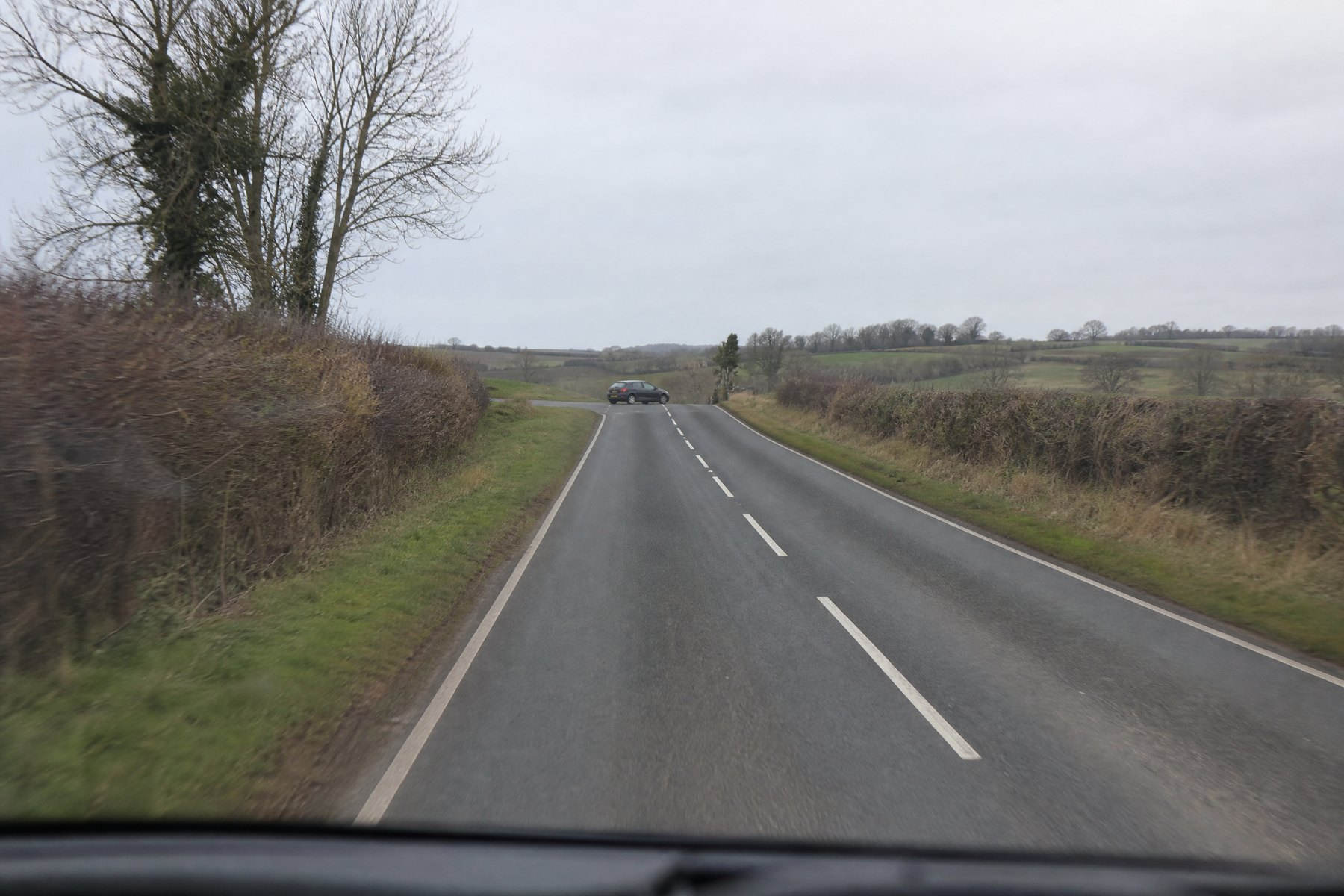
Worse than the distant hazard warning is the delayed observation. A good passenger spots a low branch and says, "Watch the branch on the left." The passenger seat instructor waits until the branch has firmly scraped along the side of the habitation area before announcing, "Mind that branch." It is less of a warning and more of a real time commentary on your failures. You have already minded it. The motorhome has minded it. The branch has minded it.
It is a traditional motorhome ritual, as reliable as the British rain and as inevitable as the navigation debate. "Are you sure we are going the right way?" they will ask, three miles down a single track road. "Was not it that turning back there?"
The reversing manoeuvre and the missed turning
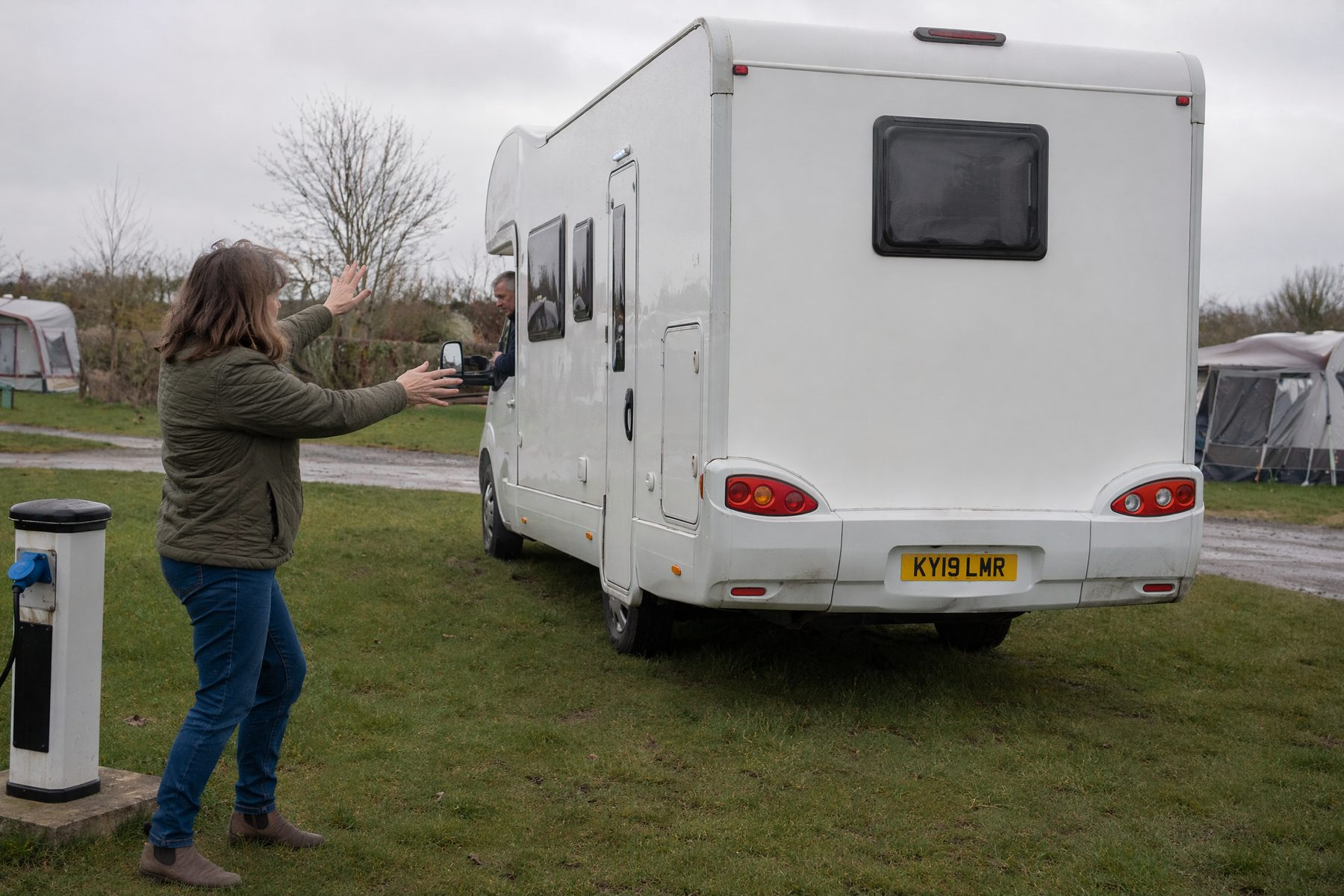
The passenger seat instructor truly shines when it is time to reverse onto a pitch. The official advice is to use a guide outside the vehicle. So, they step out. But instead of standing where you can see them in the mirrors, they stand directly behind the motorhome. They then wave their arms in a complex series of signals that could mean "come back a bit" or could mean "I am being attacked by a wasp."
Finding peace in the cab
The truth is, the Highway Code says we should avoid distractions in the cab. That specifically includes arguing. So, the only way to survive the passenger seat instructor is to reach a compromise. They agree to stop pressing the imaginary brake pedal and gasping at distant traffic. In return, you agree to occasionally acknowledge that they have spotted a hazard, even if you saw it three minutes ago.
Ultimately, driving a motorhome is a shared experience. Yes, they may occasionally try to steer the vehicle using the power of their mind and a tightly gripped armrest. But when you are tired, or lost, or trying to find a campsite entrance in the dark, a second pair of eyes is invaluable. Just as long as those eyes are looking at the road, and not judging your gear changes.
Subscribe to our newsletter and get the latest articles delivered straight to your inbox.


Food is the World’s currency Living in a van for the past eight years has taught me plenty. I've...
There’s a profound sense of liberation in embarking on a solo motorhome adventure. It’s a journey...