.jpg?width=26&height=26&name=image%20(27).jpg)

Hello again, my intrepid road-trippers! Siobhan here, back with the third instalment of our epic...
.png?width=26&height=26&name=facebookmobile%20(Custom).png)
.png?width=26&height=26&name=instgrammobile%20(Custom).png)
.png?width=26&height=26&name=twittermobile%20(Custom).png)
.jpg?width=26&height=26&name=image%20(28).jpg)
Welcome back, fellow road-trippers! Siobhan here with the fourth instalment of our mammoth 20-country European motorhome guide. So far, we've covered the romance of France and Italy, the efficiency of Germany and Switzerland, and the coastal charm of Portugal and the Netherlands. Now, it's time to head to the extremes.
In this edition, we're setting our sights on the stunning Adriatic coastline of Croatia, the dramatic, sweeping fjords of Norway, and the cool, stylish forests of Sweden. Whether you're chasing the Mediterranean sun or embracing the wild, untamed beauty of Scandinavia, these three countries offer some of the most spectacular driving in the world. But, as always, they come with their own unique set of rules, tolls, and quirks that you need to get your head around before you turn the key. So, grab a brew, and let's get into it.
Croatia: Adriatic dreams and toll booths
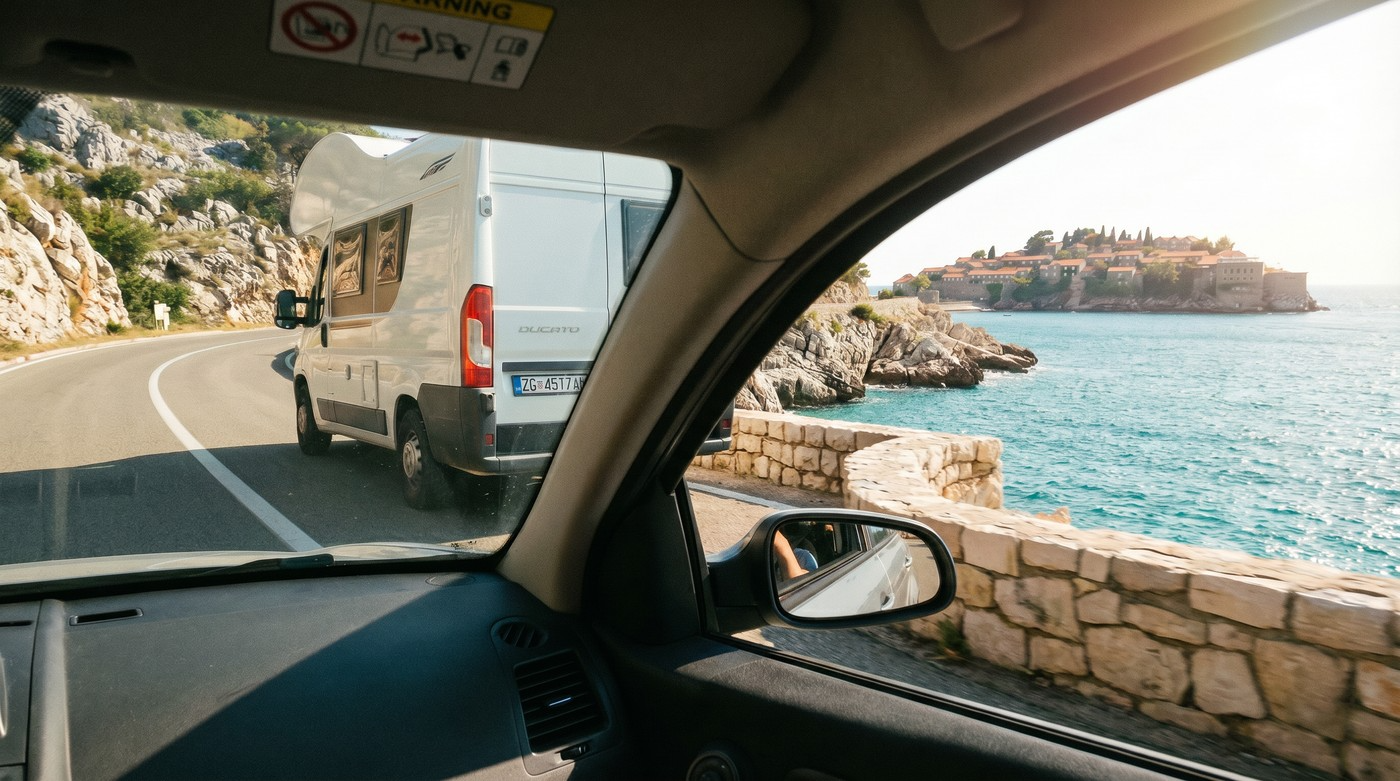
Croatia is an absolute dream for motorhomers. Picture this: winding coastal roads hugging the Adriatic, crystal-clear turquoise waters lapping against ancient harbour walls, and medieval walled cities that look like they've been plucked straight out of a fantasy novel. Dubrovnik, Split, Zadar, the Plitvice Lakes, the islands... the list of jaw-dropping destinations is almost unfair. But before you get too distracted by the views, you need to know how their roads work, because there are a few things that'll catch you out if you're not prepared.
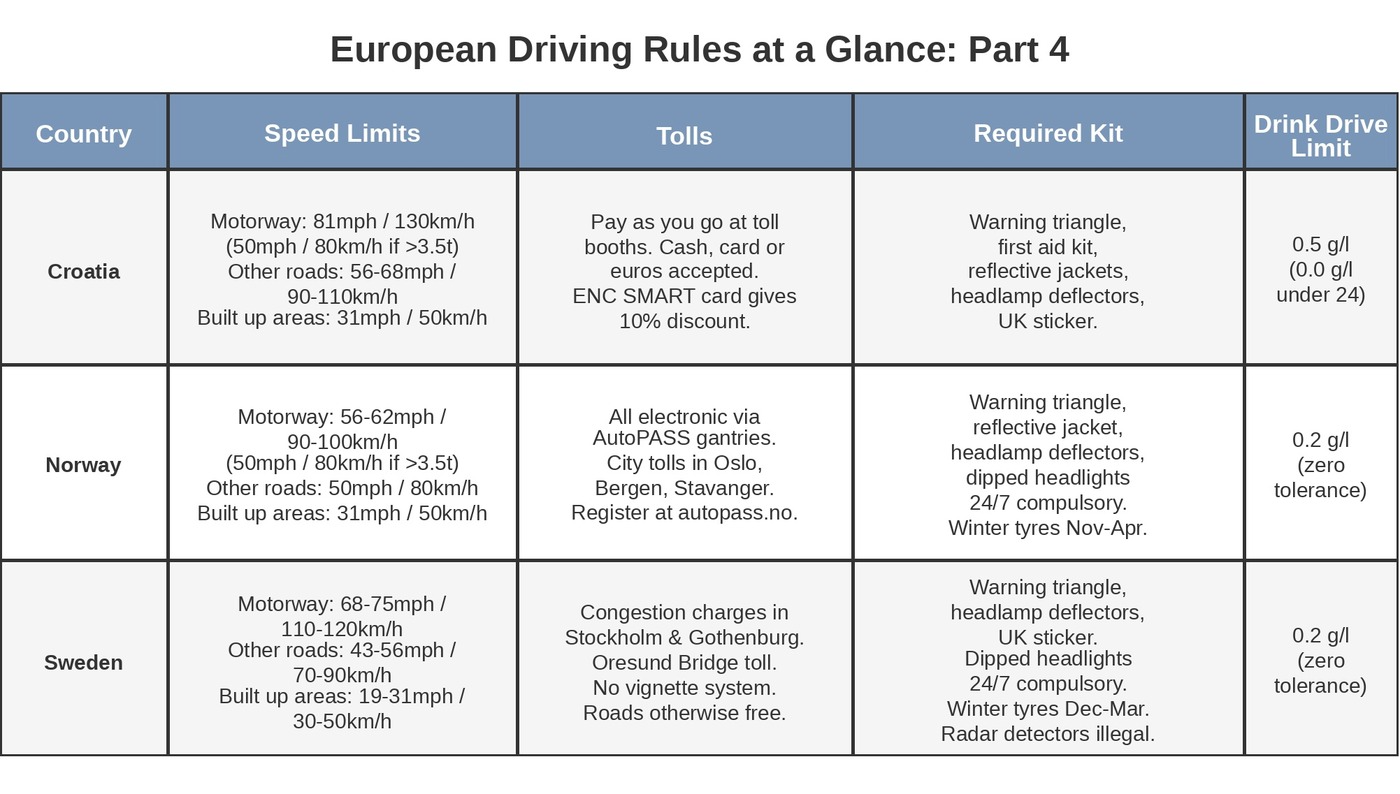
First up, the good news. Croatia officially adopted the euro in January 2023, so there's no need to worry about exchanging currency or fumbling with unfamiliar coins at the toll booth. And speaking of toll booths, unlike many of its European neighbours, Croatia doesn't use a vignette system. Instead, they operate a traditional pay-as-you-go toll system on their motorways. You pull up to the booth, take a ticket when you enter the motorway, and pay when you exit. Simple. You can pay with cash, card, or euros. If you're planning on doing a lot of motorway driving, it might be worth looking into the ENC (Electronic Toll Collection) SMART card, which gives you a cheeky 10% discount on all toll charges, though you do need to register for it in advance online.
Croatian speed limits and the kit you need
When it comes to speed limits, Croatia is fairly standard for a European country, but you need to keep your wits about you. In built-up areas, the limit is 50km/h (31mph). Outside towns, it ranges from 90km/h to 110km/h (56mph to 68mph), and on motorways, it's 130km/h (81mph) for cars. However, and this is the crucial bit for us motorhomers, if your vehicle is over 3.5 tonnes, those limits drop significantly. You're typically looking at 80km/h (50mph) on open roads and motorways, so keep an eye on the signs and don't just follow the traffic. Speeding fines in Croatia are no joke either, ranging from around 130 euros for minor offences to over 1,300 euros for serious ones, and the police can and do issue on-the-spot fines to foreign drivers. They can even confiscate your passport until the fine is paid, so don't push your luck.
As for your kit, you'll need the usual suspects: a warning triangle, a first-aid kit (both compulsory), headlamp beam deflectors, and a UK sticker on the back of your motorhome. You must also carry reflective jackets in the cab, not in the boot or in a locker, and it's mandatory to wear them if you have to step out of the vehicle in an emergency or breakdown. The drink-drive limit is 0.05% (0.5g/l), which is lower than England and Wales but the same as Scotland. However, for drivers under 24, it's a strict 0.00%, so if you've got younger drivers in the group, they need to be completely sober behind the wheel.
Croatian winter rules and wild camping
One thing that catches a lot of people out is Croatia's winter equipment rules. Between 15 November and 15 April, winter equipment is mandatory on major roads, regardless of the actual weather conditions. That means winter tyres or snow chains, even if it's a balmy 15 degrees and the sun is shining. If you're travelling in the shoulder season, make sure you're prepared. The maximum dimensions for motorhomes and caravans are 12 metres in length, 4 metres in height, and 2.55 metres in width, so if you're driving a particularly large rig, double check your measurements before you go.
Wild camping in Croatia is officially not permitted. You cannot legally park up and sleep overnight on beaches, in car parks, in forests, or at the roadside, and the authorities do enforce this, particularly along the popular Dalmatian coast during the summer months. Fines for illegal camping can be significant. Instead, you'll find a growing network of designated campsites and motorhome parking areas (called "kampiralista" or "autocamp") along the coast and near the national parks. Many are in absolutely stunning locations, right by the sea, and they're generally well-equipped with water, waste disposal, and electric hook-ups. The campsite infrastructure in Croatia has improved enormously over the past decade, so you won't be roughing it.
Norway: fjords, freedom, and very strict rules
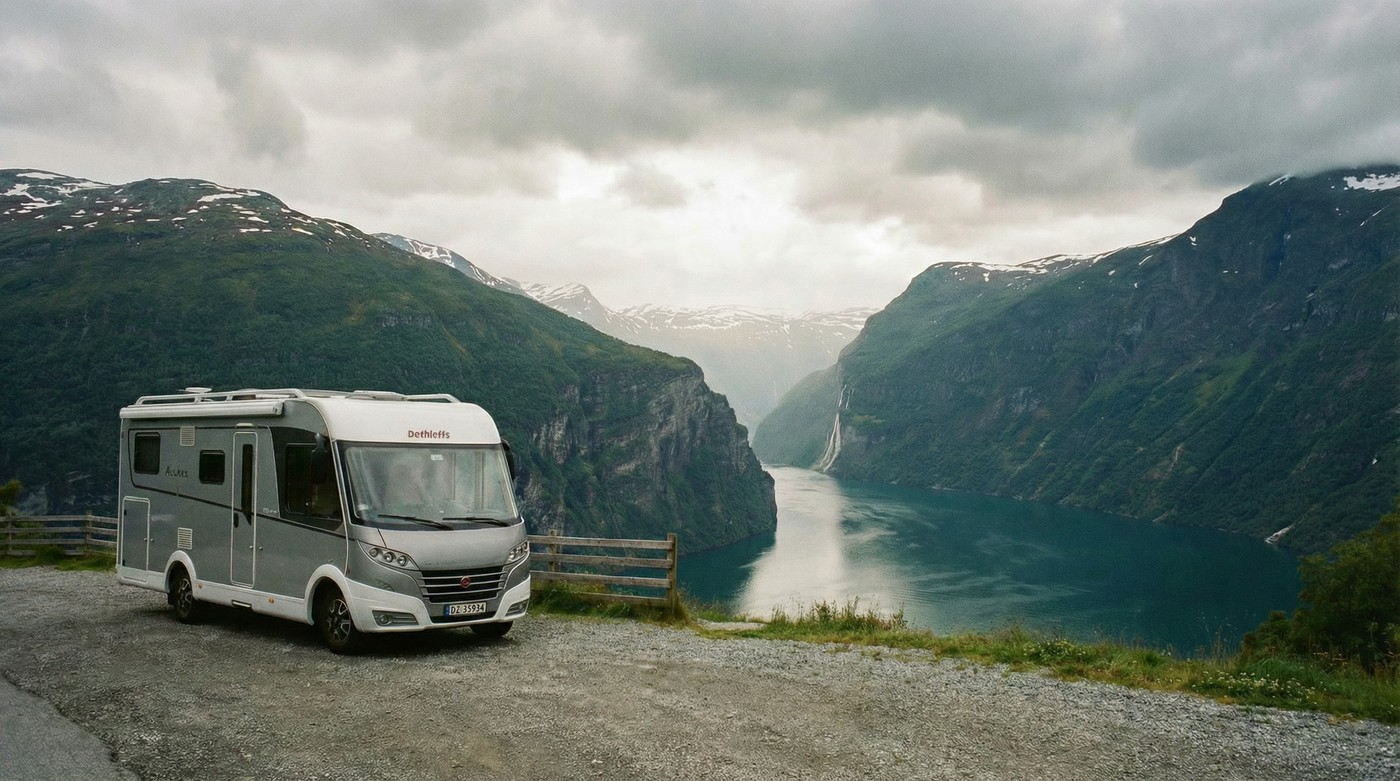
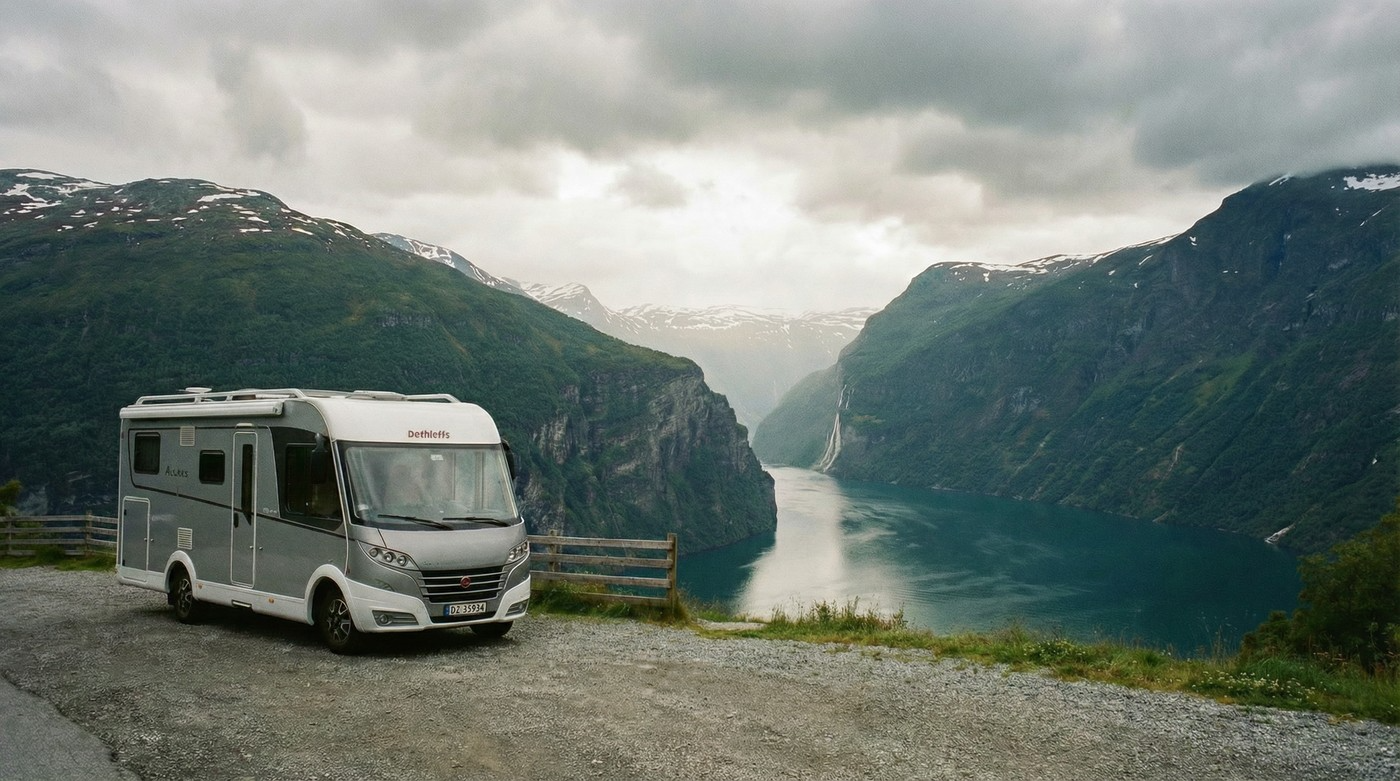
Norway is arguably one of the most breathtaking countries on earth to explore by motorhome. The fjords, the mountains, the midnight sun, the Northern Lights, the sheer scale of the landscape... it's nothing short of epic. Driving the Atlantic Road, navigating the hairpin bends of Trollstigen, or simply pulling over to stare at a waterfall cascading into a fjord is the kind of experience that stays with you forever. And the best part? Norway is incredibly motorhome-friendly, perhaps the most motorhome-friendly country in Europe.
Thanks to Allemannsretten (the right to roam), you can wild camp almost anywhere in Norway, provided you're at least 150 metres from the nearest inhabited house or cabin and you don't stay for more than two nights in one spot. It's the ultimate freedom. There are also hundreds of free or low-cost bobilplasser (motorhome parking areas) scattered across the country, many in jaw-dropping locations that you'd pay a fortune for elsewhere. But, and this is a very big but, Norway's driving laws are incredibly strict, and you absolutely do not want to mess with the Norwegian police. The fines are astronomical, and they don't care one bit that you're on holiday.
Norwegian drink-drive limits and speed limits
First up, the drink-drive limit. It is a microscopic 0.02% (0.2g/l), which is effectively zero tolerance. To put that in perspective, a single pint of lager could put you over the limit. Do not even think about having a drink if you're driving. Not a small glass of wine with dinner, not a cheeky half at lunch, nothing. Random breath tests are common, and the penalties are severe. We're talking fines calculated as a percentage of your income, potential prison sentences, and automatic loss of your licence. Norway does not mess around on this one.
Speed limits are also lower than you might expect for a country with such long, open roads. In towns, it's 50km/h (31mph), and some residential areas drop to 30km/h (19mph). On open roads, it's 80km/h (50mph), and on motorways and dual carriageways, it's a maximum of 90km/h to 100km/h (56mph to 62mph). If your motorhome is over 3.5 tonnes, you're capped at 80km/h (50mph) on motorways. Speed cameras are common, and the fines are eye-watering. Going 20km/h over the limit can cost you upwards of 5,000 NOK (around £400), and anything more serious and you're looking at court appearances. On-the-spot fines for general driving offences can be up to 10,000 NOK (around £800).
Norwegian tolls and required kit
As for tolls, Norway uses an entirely electronic system called AutoPASS. There are no toll booths to stop at. Instead, overhead gantries automatically read your number plate as you drive through. This applies to roads, bridges, tunnels, and city congestion charges in Oslo, Bergen, and Stavanger. As a foreign vehicle, you have two options: register your vehicle at autopass.no before you travel, or simply drive through and wait for the invoice to be sent to your home address via the Euro Parking Collection (EPC) service. Registering in advance is the smarter move, as it can save you money and avoids any confusion with invoices arriving months later.
You must also drive with your dipped headlights on at all times in Norway, day or night, summer or winter. This is non-negotiable. For your kit, you'll need headlamp beam deflectors, a warning triangle, and a reflective jacket, all compulsory. A first-aid kit, spare bulbs, and a fire extinguisher are recommended but not legally required. Winter tyres are mandatory from November to April, and if you're heading into the mountains, snow chains are essential. Norway is not in the EU, but it is in the EEA and the Schengen Area, so your UK driving licence is valid, and you don't need a Green Card. The currency is the Norwegian Krone (NOK), not the euro, so make sure you've got the right money or a card that doesn't charge foreign transaction fees.
Norway: ferries and getting around
One thing that's unique about Norway is the sheer number of ferries you'll need to take. The coastline is so deeply indented with fjords that ferries are an essential part of the road network, not an optional extra. Many routes simply require a ferry crossing, and they run frequently and efficiently. You can pay on board with a card, or get an AutoPASS ferry chip for discounted rates. The ferries are generally excellent, clean, and well-run, and they give you a chance to stretch your legs and enjoy the scenery from the water. Just be aware that some of the more remote routes have limited sailings, so check the timetable in advance, especially if you're travelling in the shoulder season.
Also worth noting: Norway is expensive. Like, really expensive. Fuel, food, and even basic supplies cost significantly more than in the UK. A litre of diesel can easily be 50% more than you'd pay at home. The upside is that the wild camping is free, the scenery is priceless, and the bobilplasser often have free or very cheap facilities. Many motorhomers stock up on supplies before they cross the border from Sweden, which can save you a small fortune. Speaking of which...
Sweden: forests, moose, and speed cameras
Crossing the border into Sweden, you'll find a landscape dominated by endless pine and birch forests, thousands of sparkling lakes, and beautifully maintained roads that seem to stretch on forever. Sweden is a big country, the third largest in the EU by area, and driving distances can be deceptively long. But the roads are generally excellent, the traffic is light outside the cities, and the whole experience is wonderfully peaceful. It's the kind of driving where you can genuinely relax and enjoy the journey.
Sweden is also a champion of the right to roam (Allemansrätten), meaning wild camping is widely accepted and actively encouraged, as long as you respect nature, stay for just one night in any one spot, keep a reasonable distance from houses, and leave absolutely no trace. There are also plenty of designated ställplatser (motorhome parking areas) across the country, many run by local communities and offering basic facilities like water and waste disposal for a small fee. It's a brilliant country for getting off the grid and truly disconnecting.
Swedish speed limits and the camera gauntlet
However, while the camping is relaxed, the driving rules require your full attention. Speed limits in Sweden are based entirely on the safety of the road rather than the type of road, which means they can change frequently, sometimes multiple times on the same stretch. You'll generally find limits of 30km/h to 50km/h (19mph to 31mph) in towns, 70km/h to 90km/h (43mph to 56mph) on open roads, and 110km/h to 120km/h (68mph to 75mph) on motorways. Always check the signs, because assumptions will get you caught.
And caught you will be, because Sweden is absolutely littered with speed cameras. They are thin, grey, and blend perfectly into the background. You'll barely notice them until the flash goes off. And don't even think about using a radar detector or speed camera app that alerts you to their location; they are completely illegal in Sweden, and if the police find one in your vehicle, you're looking at a hefty fine and confiscation of the device. Like Norway, the drink-drive limit is a strict 0.02% (0.2g/l), effectively zero tolerance, and random breath tests are common. Dipped headlights must be used 24/7, all year round.
Swedish tolls and required kit
Sweden doesn't have a traditional toll system or vignettes. Instead, there are congestion charges in Stockholm and Gothenburg, which are collected electronically via overhead cameras. As a foreign vehicle, the charge will be sent to you via the Swedish Transport Agency. There are also tolls on four bridges: the Oresund Bridge (connecting Denmark to Sweden, around 575 SEK or £40 one way for a motorhome), plus the Motala, Sundsvall, and Svinesund bridges. Other than that, the roads are free to use.
For your kit, you'll need headlamp beam deflectors (compulsory), a warning triangle (compulsory), and a UK sticker. A reflective jacket, first-aid kit, spare bulbs, and fire extinguisher are recommended but not legally required. Winter tyres are mandatory between 1 December and 31 March when there's snow or ice on the road, and snow chains must be used where indicated by road signs. If you're travelling in winter, you'll also need antifreeze in your windscreen fluid and a shovel to clear snow. Sweden uses the Swedish Krona (SEK), not the euro, though cards are accepted almost everywhere.
The moose factor and motorway quirks
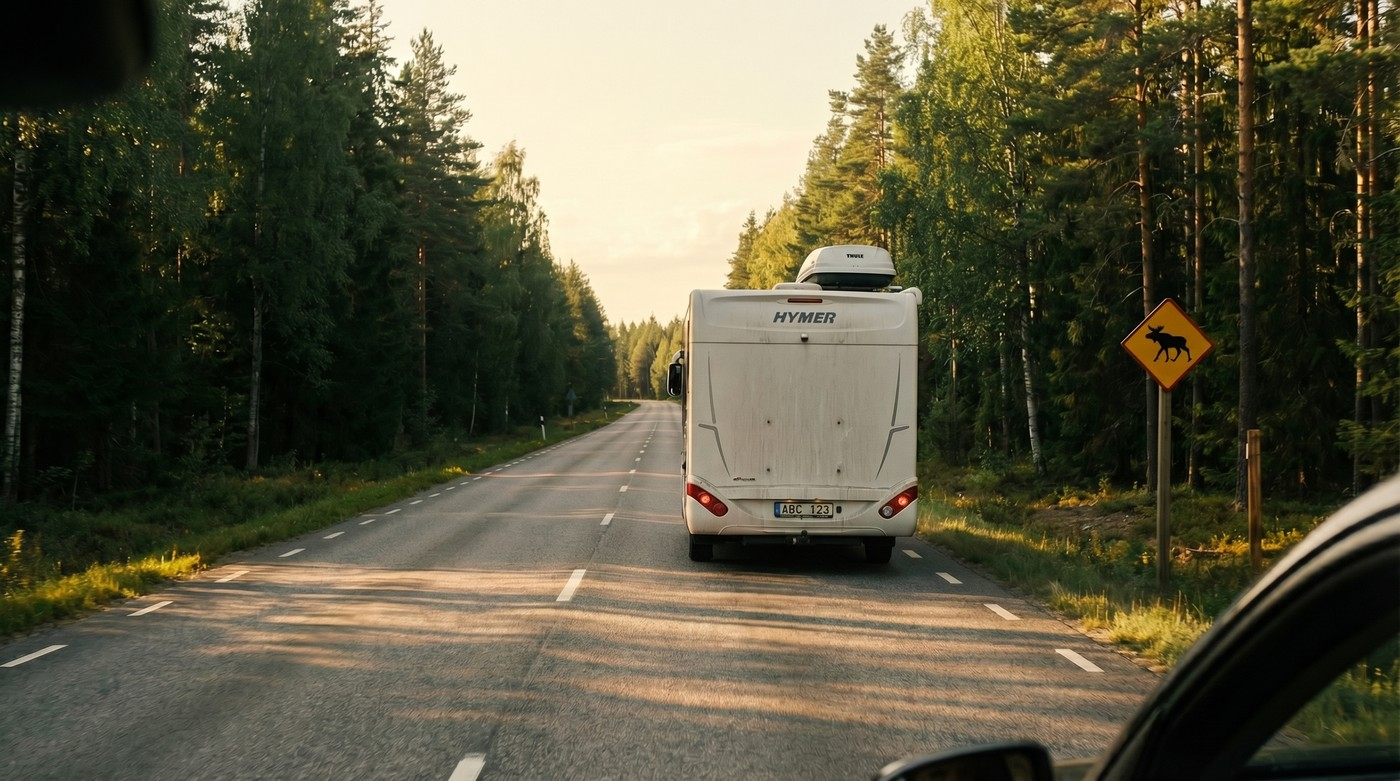
One unique hazard to watch out for in Sweden, and Norway for that matter, is the wildlife. Moose and elk wandering into the road are a genuine and serious danger, especially at dawn and dusk. These are enormous animals, and a collision with one at speed can be fatal. You'll see warning signs in areas where they're common, and the advice is simple: slow down, stay alert, and if you see one, stop and wait. They're unpredictable and can change direction without warning. There are an estimated 6,000 moose-related road accidents in Sweden every year, so this is not a trivial risk.
Another quirk of Swedish motorways that catches people out: there are no service areas actually on the motorways themselves. Fuel stations, shops, and cafes are all located near the exits and are indicated on the motorway exit signs. There are also no emergency telephones along the motorways, so make sure your mobile phone is charged and you have breakdown cover. Parking in cities can be limited and expensive, with fines ranging from 400 to 1,000 SEK (around £34 to £85) for violations, and wrongly parked vehicles can be towed away.
What's next?
So, there you have it. The sun-drenched Adriatic coast of Croatia and the wild, untamed beauty of Scandinavia. Three incredibly different countries, but all absolutely perfect for a motorhome adventure. Just remember to pack your high-vis, keep those headlights on up north, lay off the lunchtime lagers in Norway and Sweden, and watch out for the moose!
In Part 5, we'll be heading back across the water to explore the emerald beauty of Ireland, before shooting over to the cycling haven of Denmark, and finally soaking up the ancient history and sunshine of Greece. Three more cracking destinations with their own unique rules and quirks. Until then, happy travels and keep the shiny side up!
Subscribe to our newsletter and get the latest articles delivered straight to your inbox.

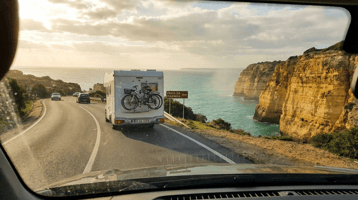
Hello again, my intrepid road-trippers! Siobhan here, back with the third instalment of our epic...
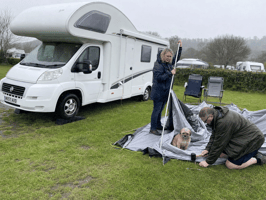
Right then, let’s be honest. There are few sights on a campsite more gripping than someone trying...
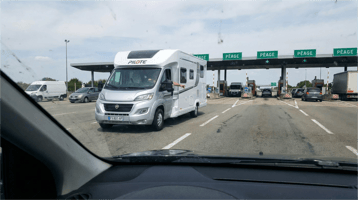
So, you’ve bought the motorhome, you’ve waved goodbye to the nine-to-five, and you’re ready to hit...
