
.jpg?width=26&height=26&name=image%20(27).jpg)


When you’re staying in a motorhome, the last thing you want to worry about are your appliances...
.png?width=26&height=26&name=facebookmobile%20(Custom).png)
.png?width=26&height=26&name=instgrammobile%20(Custom).png)
.png?width=26&height=26&name=twittermobile%20(Custom).png)
.jpg?width=26&height=26&name=image%20(28).jpg)

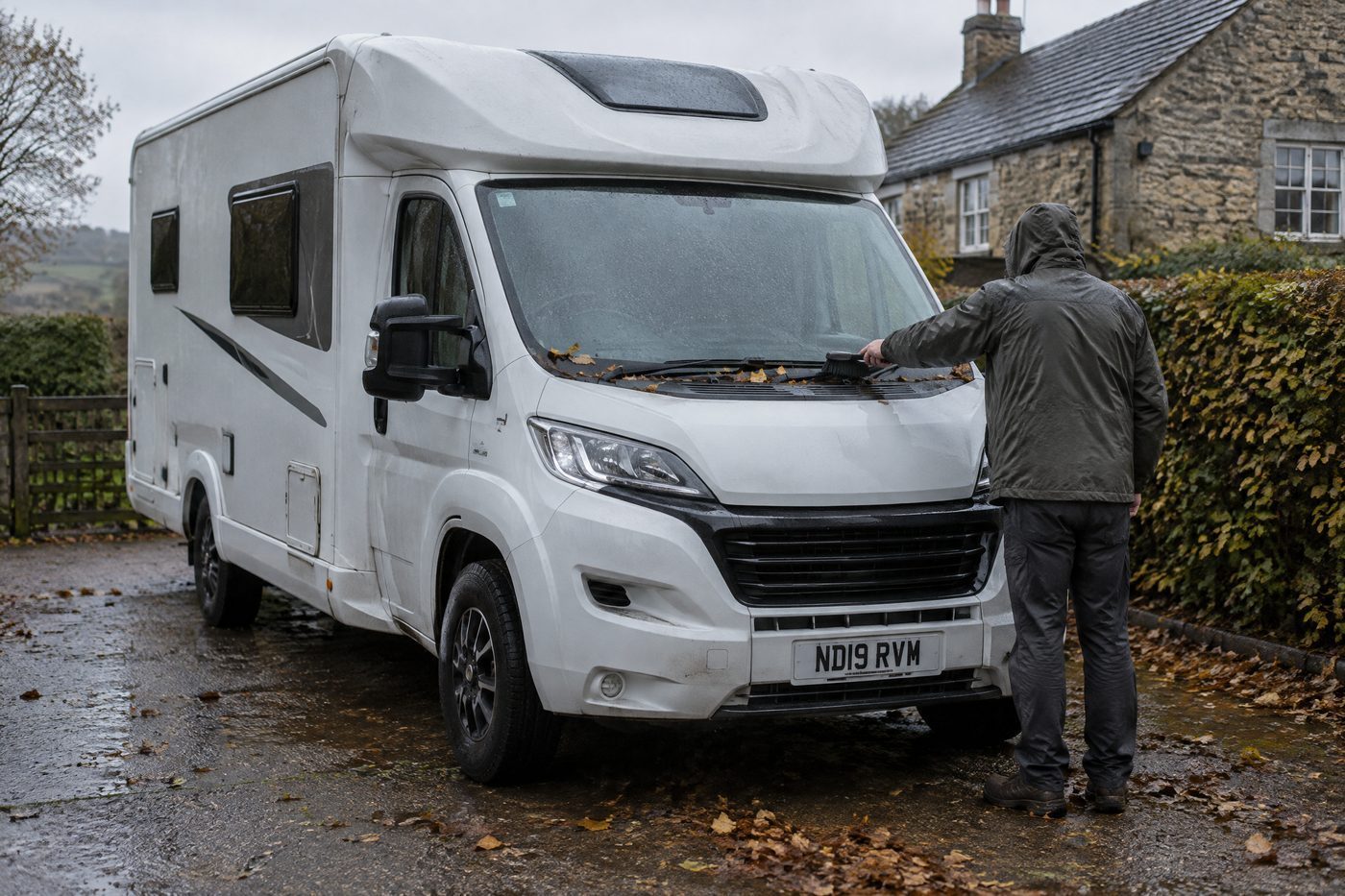
A motorhome can look old long before it is worn out. Faded graphics, a dated lounge fabric and a dashboard from another era may make a fifteen year old vehicle feel elderly, but none of those things automatically make it a poor prospect. Equally, a shiny motorhome with low mileage can hide expensive problems if it has spent long periods neglected, leaking or parked with its mechanical systems slowly deteriorating. Age matters, but it is only one part of the story.
The useful answer is that there is no expiry date. A well maintained motorhome can provide reliable service for twenty years or more, while a badly neglected example can become uneconomic much sooner. The reason is simple. A motorhome is two different things bolted together: a road vehicle and a small home. The chassis, engine and running gear age in one way. The body, windows, seals, plumbing, electrics and furniture age in another. A sensible owner assesses both.
Start by separating old from worn out
Old is a date on a registration document. Worn out is a condition. An older motorhome with a clean service history, sound bodywork, dry structure and an owner who fixes faults as they arise can be a far safer buy than a newer one with a vague past. The key question is not “how many birthdays has it had?” It is “how has it been used, stored and maintained?”
There is no magic mileage figure either. A diesel motorhome that has covered regular, well maintained motorway miles may be in better mechanical health than a low mileage example that has mostly made short trips and sat unused for months. Long periods standing still are not gentle retirement for a vehicle. Brakes corrode, tyres age, seals dry, batteries discharge and fuel systems do not improve through inactivity. Low mileage is useful information, but it is not a verdict.
The road vehicle can often outlast expectations
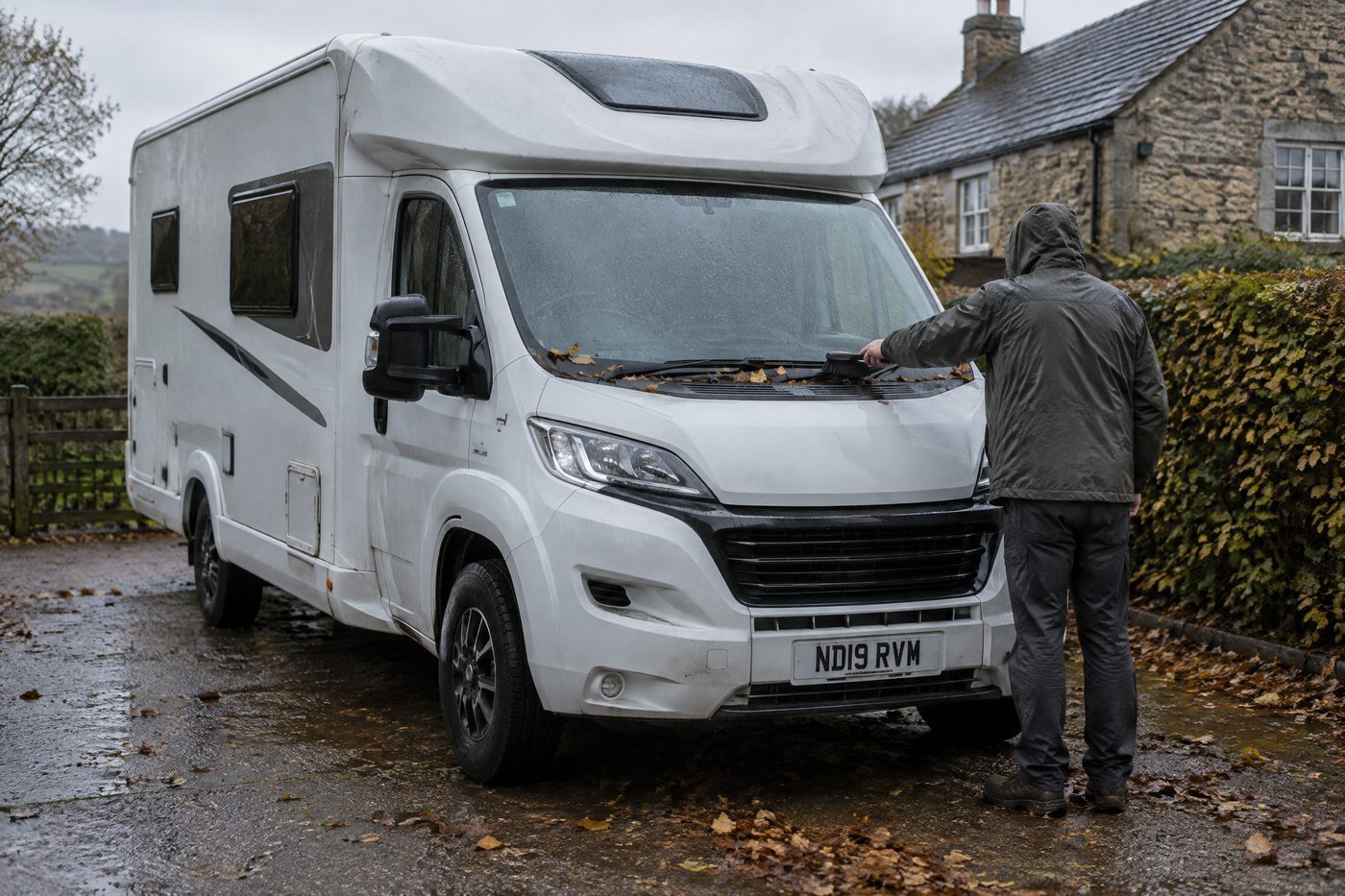
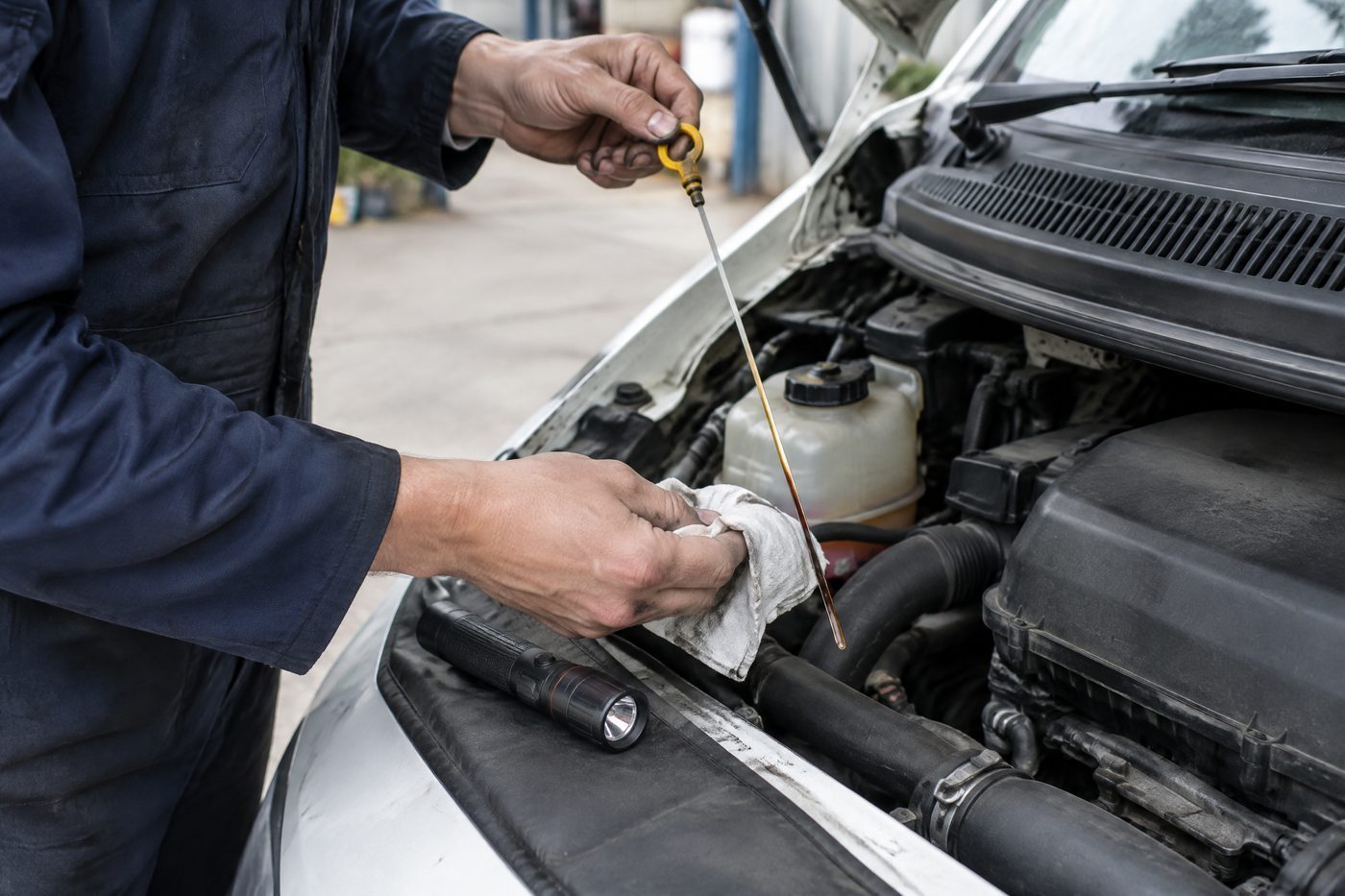
The base vehicle is usually built from a commercial chassis designed to work hard. Engines, gearboxes, axles, steering and braking systems can have a long life when they receive the correct fluids, filters, timing belt or chain attention and regular exercise. That does not mean every older chassis is a bargain. It means a proper maintenance record carries more weight than a flattering odometer reading.
Look for evidence rather than optimism. A clear service history, invoices for braking work, replacement tyres, suspension repairs, cooling system attention and gearbox servicing where applicable are all reassuring. The MOT history is useful as a timeline too. It can show recurring advisories, corrosion concerns, tyre observations and patterns of neglect. In the United Kingdom, motor caravans require their first Class 4 MOT at three years old and then need a test every year, but a pass only confirms compliance with the items examined on that day. It is not a certificate of overall motorhome health.
Mileage matters less than the way it was achieved
A motorhome that has been driven regularly is more likely to have charged its batteries, exercised its brakes, warmed its engine properly and kept fluids circulating. It will also have accumulated wear, of course. Clutch components, wheel bearings, suspension bushes, dampers, hoses and tyres do not last forever. The point is that predictable wear is usually easier to budget for than years of inactivity followed by a sudden list of faults.
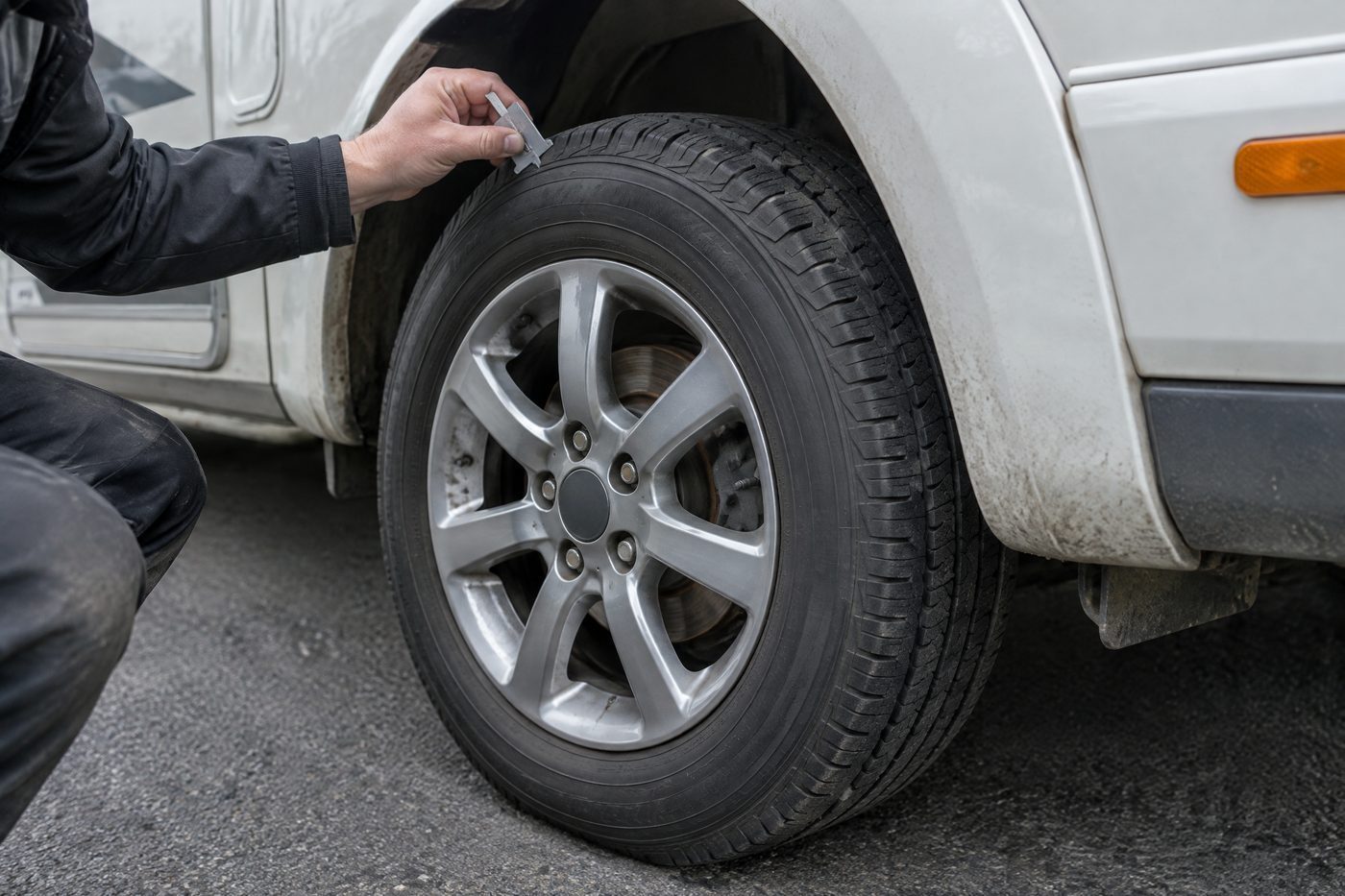
Pay special attention to rubber and fluid based components. Tyres can look almost new while being too old for comfort, especially on a lightly used motorhome. Check the date code and inspect for cracking or deformation, then follow the tyre maker’s guidance and seek professional advice if there is doubt. Brake fluid, coolant, belts and hoses have time based maintenance needs as well as mileage related ones. The handbook and the exact chassis manufacturer’s schedule should always win over a generic internet rule.
The habitation body is where value can disappear
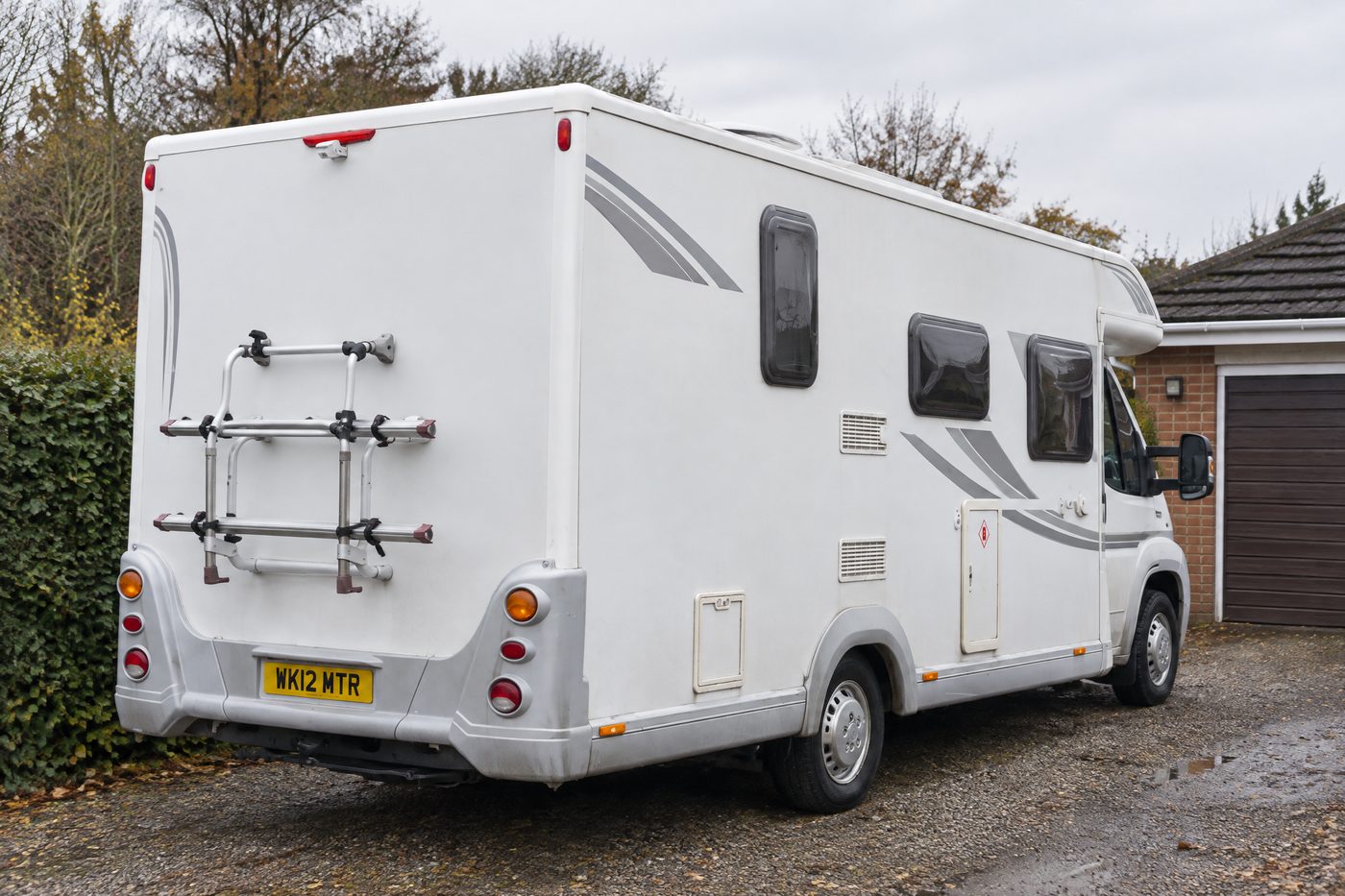
The habitation area is the real separator between a long lived motorhome and an expensive project. The body contains a surprising number of openings: rooflights, windows, doors, service hatches, vents, marker lights, lockers and joints between panels. Every one relies on sealants, gaskets, careful construction and ongoing inspection. The systems are durable, but they are not maintenance free.
Water ingress is the problem that deserves the most respect because it can remain hidden for a long time. A small leak may begin around a rooflight, a window seal or an external joint. Water can then travel through a wall or floor structure before becoming visible. By the time a stain, soft panel or musty smell appears, the repair may involve more than a quick reseal. Timber framed structures are especially vulnerable to rot, while modern composite construction can still suffer from delamination, insulation damage and deterioration around fittings.
A damp check is not an optional extra
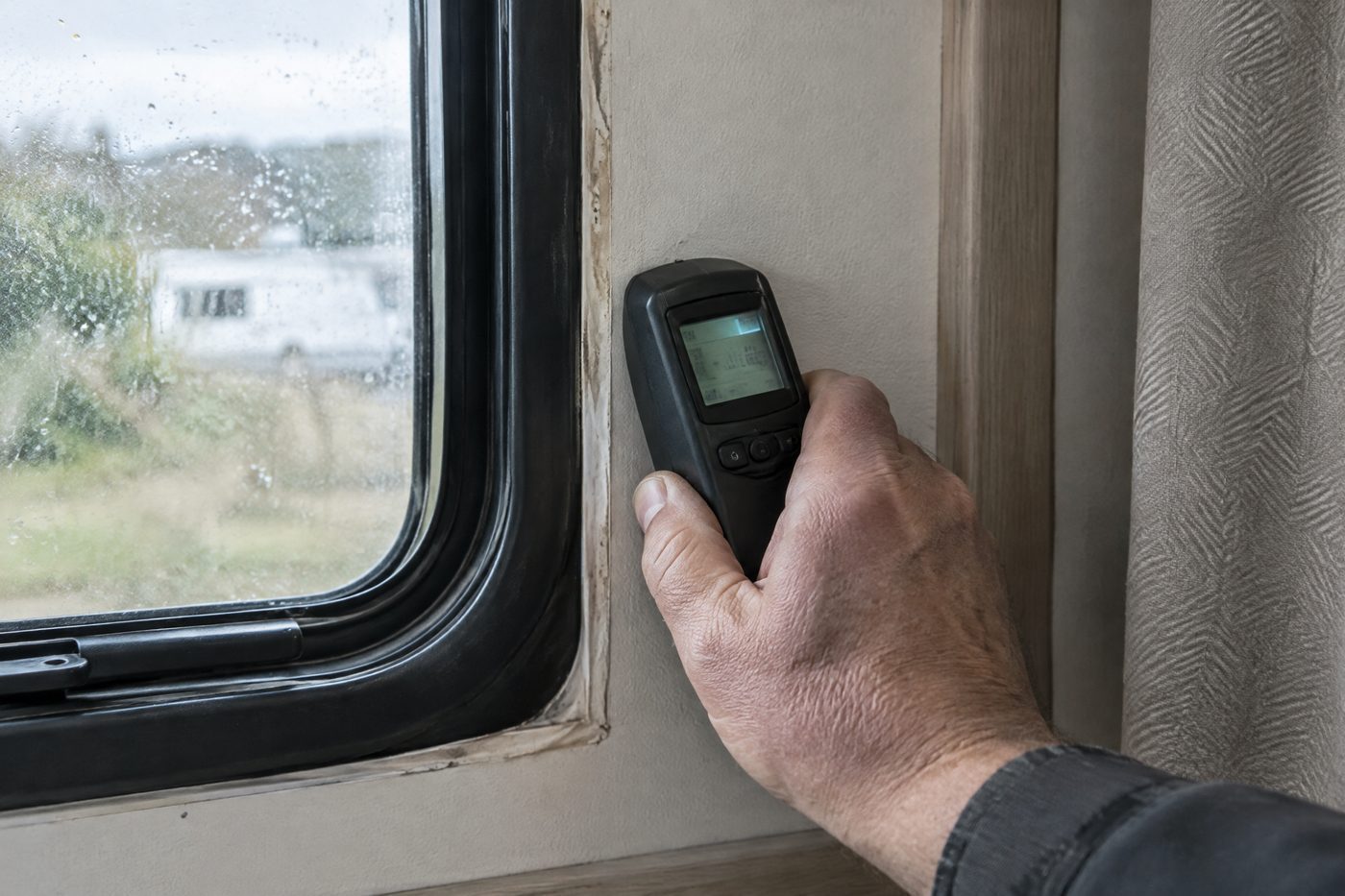
An annual habitation service and damp inspection are among the best ways to protect the useful life of a motorhome. A competent technician can check moisture readings in the vulnerable areas, examine seals and bodywork, inspect gas and electrical systems, and identify small issues before they become major structural work. It is far less exciting than buying an accessory, but it is infinitely more valuable.
Keep every report. A consistent file showing dry readings, prompt resealing work and routine servicing gives a future buyer confidence. It also gives you a baseline. One slightly higher reading does not automatically mean disaster, but a trend of increasing readings in the same area needs investigation. The important thing is to understand what the instrument is finding, where it is finding it and whether a qualified person has established the cause.
The furniture may date first, but it is rarely the deciding factor
Cupboard catches, loose hinges, tired blinds, worn upholstery and a few creaks are normal ownership jobs. They can be annoying, but they are usually manageable. A motorhome does not become finished because a drawer runner needs adjustment or a seat cover has seen better days. In many cases, these are the very things that can be refreshed at a sensible cost and make an older interior feel cared for again.
The more serious interior clues are soft floors, staining around rooflights or windows, swollen board edges, persistent mildew smell and areas where wall coverings feel loose or distorted. Those are not cosmetic defects until proved otherwise. They may be harmless historic marks from a repaired issue, but they may also point to ongoing moisture. Ask for an explanation, supporting paperwork and a proper inspection rather than accepting a hopeful “it has always been like that”.
Systems fail by age, use and neglect
The water heater, space heater, fridge, water pump, taps, toilet, leisure battery, charger and control panel all have a finite life. That does not make an older motorhome a poor choice. It simply means the buyer should expect occasional renewal. A ten or fifteen year old motorhome may be perfectly sound while needing a new battery, a pump or a fridge repair. Those are individual component costs, not a reason to write off the whole vehicle.
What matters is whether faults are isolated and repairable or whether they form part of a larger pattern. A fridge that needs servicing is one thing. A motorhome with damp damage around the fridge vent, corroded wiring, a failed charger and no evidence of any habitation maintenance is another. Before buying, run the systems where possible. Test hot water, heating, mains charging, 12 volt equipment, taps, shower, toilet flush, fridge modes, windows and locks. A short viewing is not a full inspection, but it is enough to spot whether the owner knows and uses the motorhome.
Storage is part of the maintenance plan
Where a motorhome spends its idle months matters almost as much as where it travels. A hard standing area with reasonable ventilation, regular checks and a cover only where the manufacturer considers it appropriate is generally kinder than a damp corner under trees. Debris in gutters and around rooflights holds moisture. Constant shade slows drying. A leaky cover can rub paintwork and trap moisture, turning a protective idea into a damaging one.
It is also sensible to avoid leaving a motorhome completely forgotten. Check the interior for moisture and pests, keep drains and gutters clear, operate the engine and systems in line with the manufacturer’s recommendations, and make sure battery maintenance is suitable for the fitted battery type. The exact routine will differ between vehicles, particularly where a smart charger, solar system or lithium leisure battery is involved. What does not differ is the benefit of attention.
When does repair stop making financial sense?
There is no fixed point at which a motorhome becomes too old to repair. The decision is about the total picture: condition, safety, future reliability, sentimental value and the cost of replacing it. Spending money on tyres, brakes, servicing or a new battery is ordinary ownership. Spending a large sum to repair widespread water damage in a low value motorhome needs a much more careful calculation.
Start with a clear written diagnosis and a realistic estimate. Then compare the repair cost with the vehicle’s true value when repaired, its value in its current condition and the cost of an alternative that suits your needs. Do not compare the repair bill with zero, because replacing a motorhome is not free. At the same time, do not keep paying for repeated major faults simply because you have already spent money. Previous costs are gone. The next decision should be based on what the vehicle is likely to offer from this point onwards.
What a durable motorhome looks like
The best long term motorhomes are not necessarily the newest, the prettiest or the lowest mileage. They are the ones with dry, sound structures; a traceable maintenance record; timely mechanical repairs; working appliances; safe tyres; and owners who notice small faults before they become large ones. A slightly scruffy but dry motorhome with documentation can be a more intelligent purchase than a polished one with no answers.
If you are buying, budget for an independent habitation inspection and mechanical assessment rather than relying on a quick walk around. If you already own one, treat annual servicing and damp checks as an investment in its usable life and future value. A motorhome does not need to be new to be dependable. It needs to be maintained, understood and, above all, dry.
Subscribe to our newsletter and get the latest articles delivered straight to your inbox


When you’re staying in a motorhome, the last thing you want to worry about are your appliances...
You have chosen an adult only campsite. Not because you dislike children, obviously. You simply...