



A dealer’s perspective on rising costs, tighter margins and a changing market.
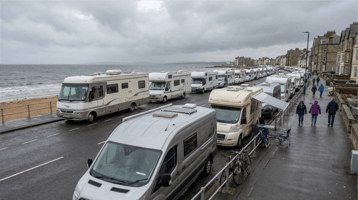
The motorhome and caravan industry has faced a difficult adjustment since the pandemic boom. Buyers have become more cautious, running costs have increased, and the gap between a vehicle’s selling price and the cost of bringing it to market has narrowed.
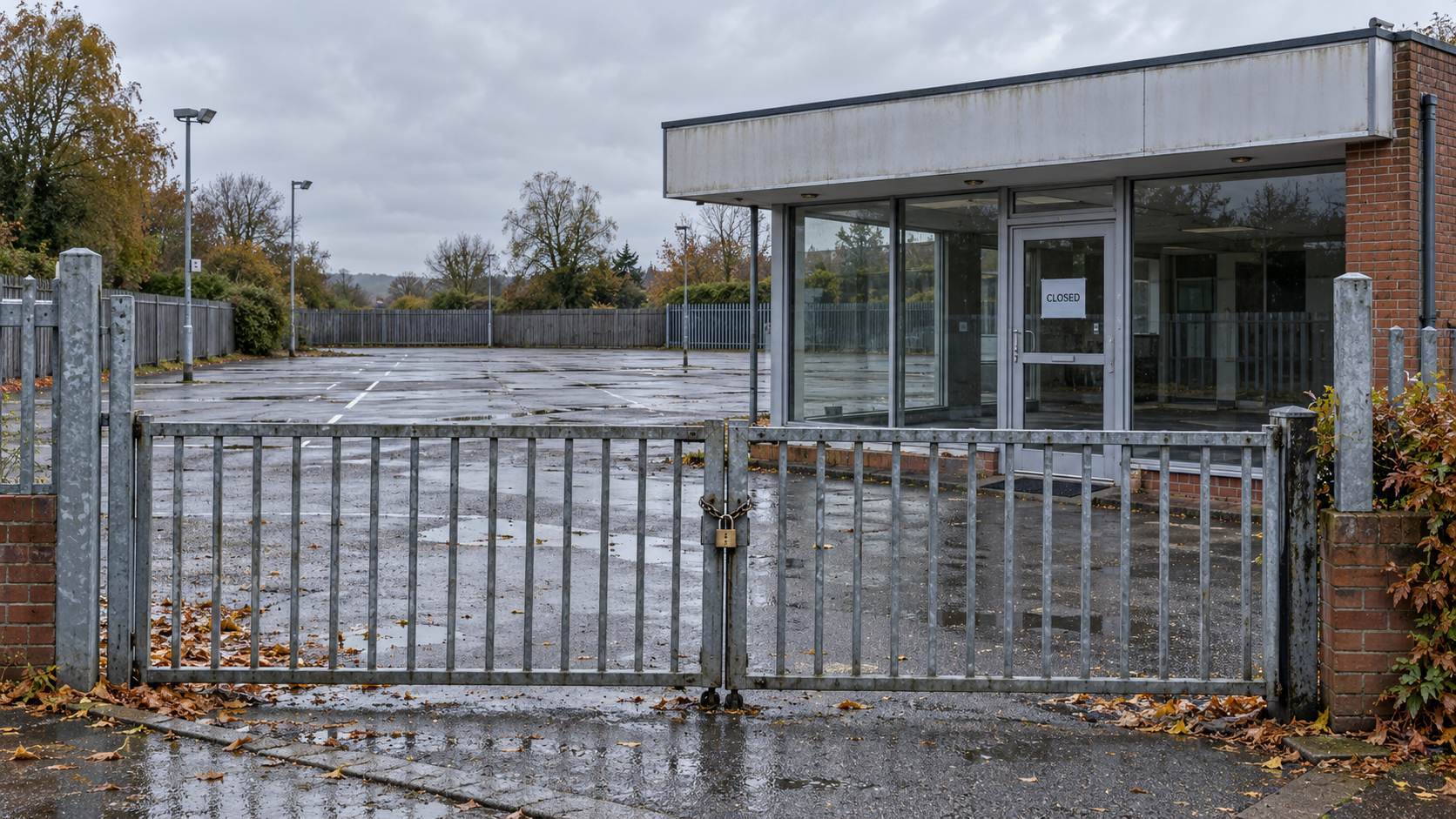
A number of dealership closures have understandably raised questions among owners and buyers. How can businesses selling vehicles worth tens of thousands of pounds find themselves under financial pressure?
The answer lies in what remains after the vehicle has been bought, prepared and sold, and the business has paid its bills.
At CamperBuyer.com, we see these changes first-hand. We also understand what matters to owners considering a sale: a competitive valuation, clear communication and confidence in the business they are dealing with.
A different market after the pandemic boom
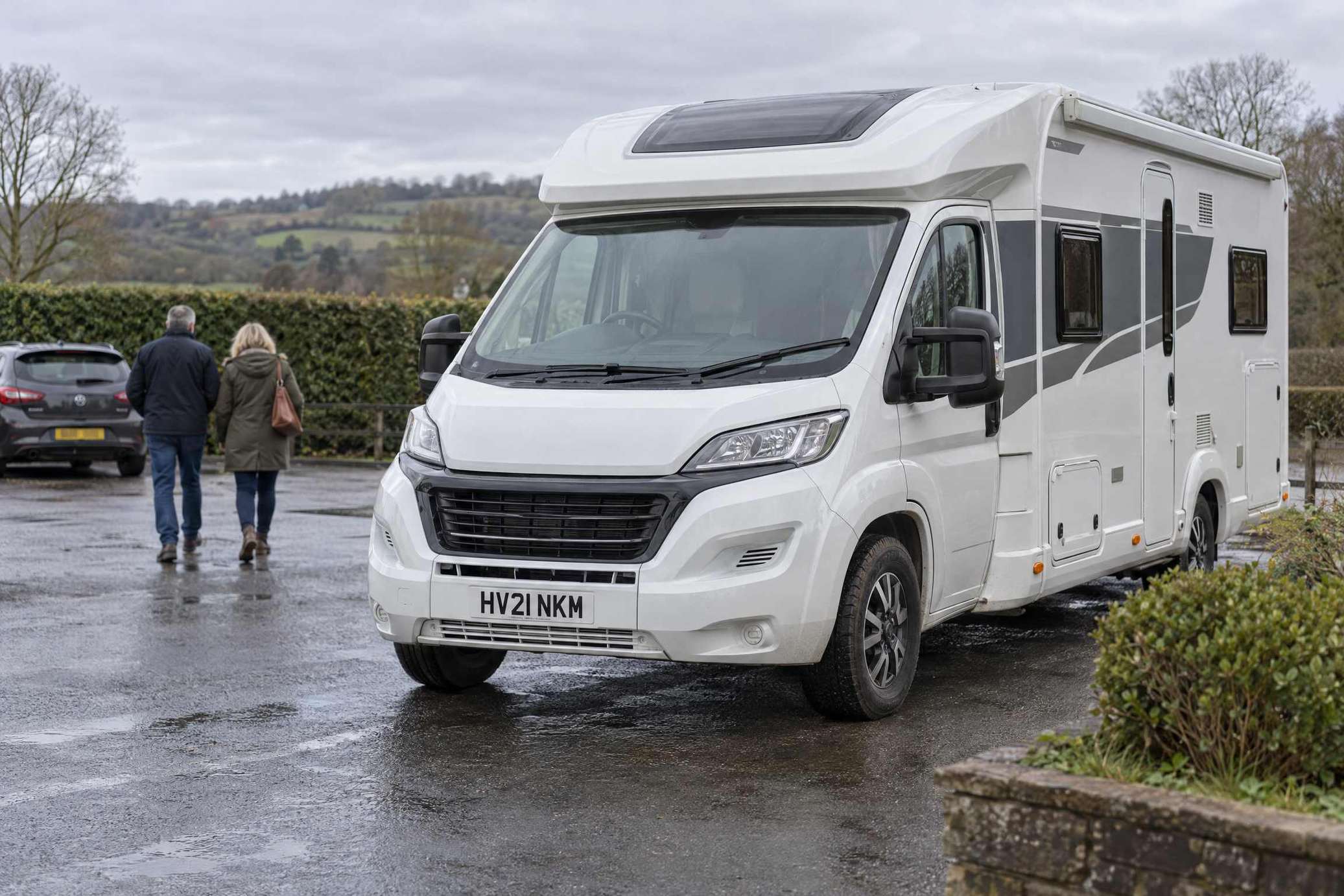
During the pandemic, restrictions on overseas travel encouraged more people to holiday closer to home. Demand for motorhomes, campervans and caravans grew, while supply shortages made stock difficult to find.
Dealers invested to meet that demand. As supply recovered and buying patterns changed, some businesses were left carrying stock purchased for a much stronger market.
Meanwhile, the high cost of living has put household budgets under considerable pressure. Housing, food, energy and other essentials take priority, leaving less available for leisure.
For some families, the question is whether they can afford a holiday at all, rather than where to go.
A motorhome or caravan is a significant purchase. Even enthusiastic buyers may decide to wait another season, keep their existing vehicle for longer or reconsider their budget. For dealerships, that can mean slower sales and more money tied up in stock.
The selling price is only part of the picture
The difference between what a dealer pays for a motorhome and its advertised selling price is not the dealer’s profit.
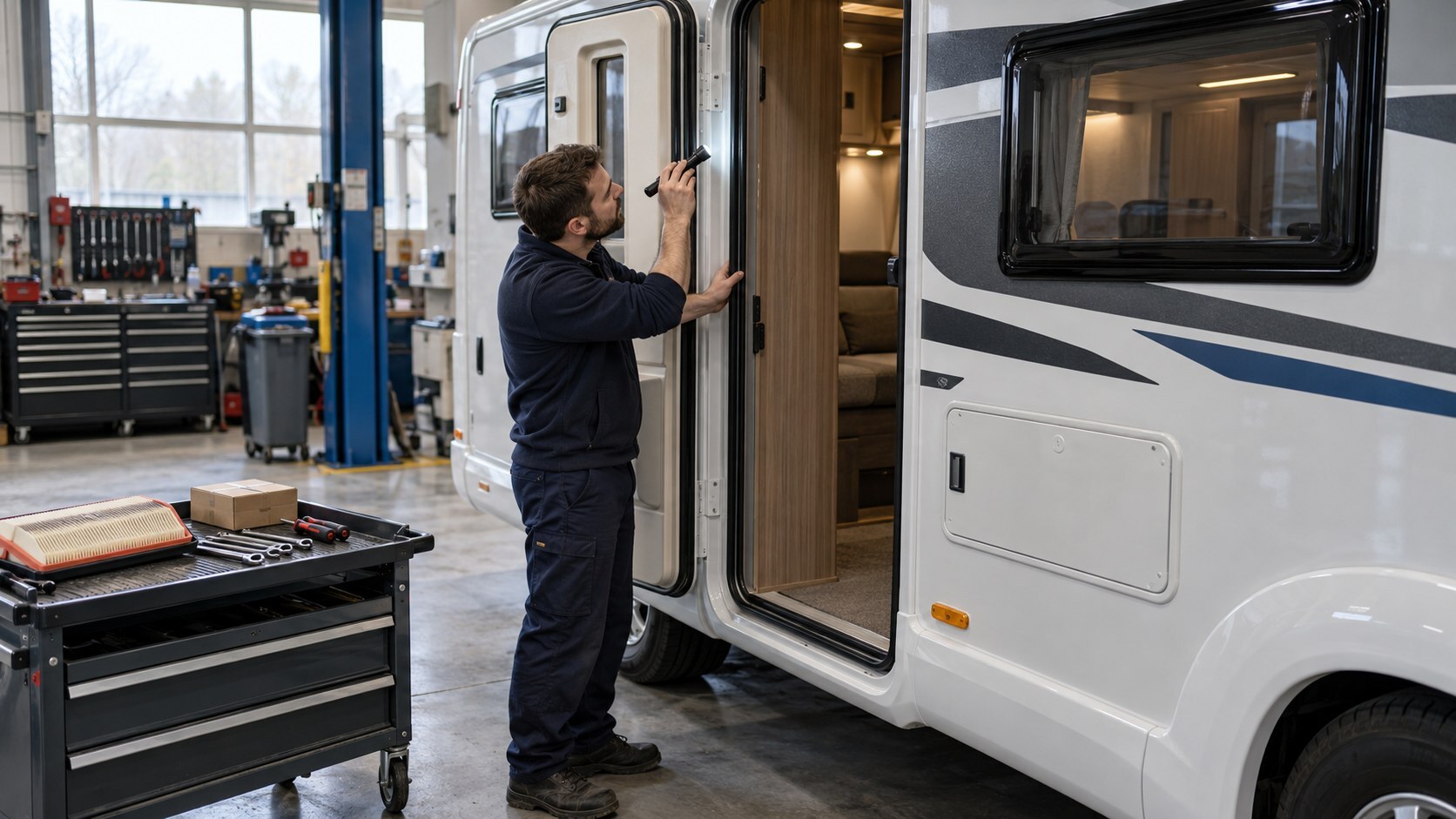
Before reaching its next owner, a vehicle may need collecting, servicing, habitation checks, repairs, replacement tyres and thorough cleaning. Advertising, staff time, premises and aftersales support also have to be covered.
Under the VAT margin scheme for eligible used vehicles, VAT is payable on the difference between the purchase and selling prices. Preparation and repair costs do not reduce that taxable margin, although eligible input VAT may be reclaimed separately.
A motorhome bought for £40,000 and sold for £46,000 could leave just £2,000 after £1,000 in margin-scheme VAT and £3,000 in preparation costs, after any recoverable VAT, before wages, premises, advertising and other expenses.
An unexpected repair or a reduction in the selling price can quickly absorb what remains. This helps explain why high sales figures do not necessarily translate into a profitable dealership.
Stock ties up money
Even a modest forecourt can contain hundreds of thousands of pounds’ worth of vehicles.
Financed stock attracts interest and charges while it waits for a buyer. Vehicles bought outright still tie up money that cannot be used elsewhere in the business.
Stock also needs attention. Batteries, cleaning, maintenance and presentation all take time and money, while market values can change.
A dealer may then have to choose between waiting for the original asking price and reducing it to secure a sale. Selling releases cash, but there may be little profit left to cover the business’s ongoing commitments.
That is how a dealership can have a valuable forecourt and still face a shortage of cash.
Rising costs leave less room for error
We, like other dealers, have seen our costs increase substantially. Higher employer National Insurance costs, wage pressures and everyday operating expenses all affect the cost of running a dealership.
Experienced staff are essential. Vehicles need inspecting, repairs need organising, paperwork must be handled properly, and customers need support throughout the process.
These are necessary parts of providing a good service. But when costs rise faster than the return from each sale, businesses have less room to absorb a quiet month or an unexpected bill.
Passing every increase on to buyers is difficult when household budgets are already stretched. Dealers must balance competitive pricing with the cost of preparing vehicles properly and looking after their customers.

Businesses need room to grow
Businesses need conditions that allow them to invest, employ people and plan ahead. With operating costs rising and margins under pressure, that financial breathing room is becoming harder to find.
The effects reach beyond business owners. Higher employment costs can leave less money for recruitment, training and pay rises, while prolonged pressure can put existing jobs at risk.
Practical support that helps businesses invest and employ people would benefit both local firms and the households that depend on them.
Businesses affected across the sector
The following names emerged from our research. They cover different dates and circumstances, including insolvency, restructuring and other closures.
Administrations, liquidations and related restructuring cases:
Adventure Leisure Vehicles
Broad Lane Leisure
Camper Family Cymru
Ennis Caravans
Golden Castle Caravans
Leisure Sales
Murvi Motorcaravans
Premier Motorhomes
Robinsons Caravans
Ryedale Caravan & Leisure
Sell Our Caravan
Southwest Motorhomes Sales, Hire and Services
Triangle Caravan Sales
Other closures and solvent winding-up cases:
Canwell Caravans
Dyce Caravans
Pleasuretime Caravans
Each business has its own circumstances. This is not a list of administrations within the past twelve months, and inclusion does not mean that every trading operation ceased permanently.
What this means for motorhome owners
News of dealership closures can be unsettling, particularly if you are considering buying or selling a vehicle. It is reasonable to want clear answers about the valuation, the process and who you are dealing with.
The wider pressures on the industry do not determine the value of an individual motorhome. Its make, model, age, mileage, condition and specification all matter when assessing it.
At CamperBuyer.com, our aim is to offer a competitive price and make selling straightforward. We are happy to explain our valuation, answer your questions and talk you through the process so you can make an informed decision.
Whether you are ready to sell or simply considering your options, that conversation is a useful place to start.
Thinking of selling your motorhome or campervan? Visit CamperBuyer.com for a free valuation and a conversation with our team.
Subscribe to our newsletter and get the latest articles delivered straight to your inbox