
.jpg?width=26&height=26&name=image%20(27).jpg)

Picture the scene. You've spent the day wrestling with a new awning, navigating a particularly...
.png?width=26&height=26&name=facebookmobile%20(Custom).png)
.png?width=26&height=26&name=instgrammobile%20(Custom).png)
.png?width=26&height=26&name=twittermobile%20(Custom).png)
.jpg?width=26&height=26&name=image%20(28).jpg)
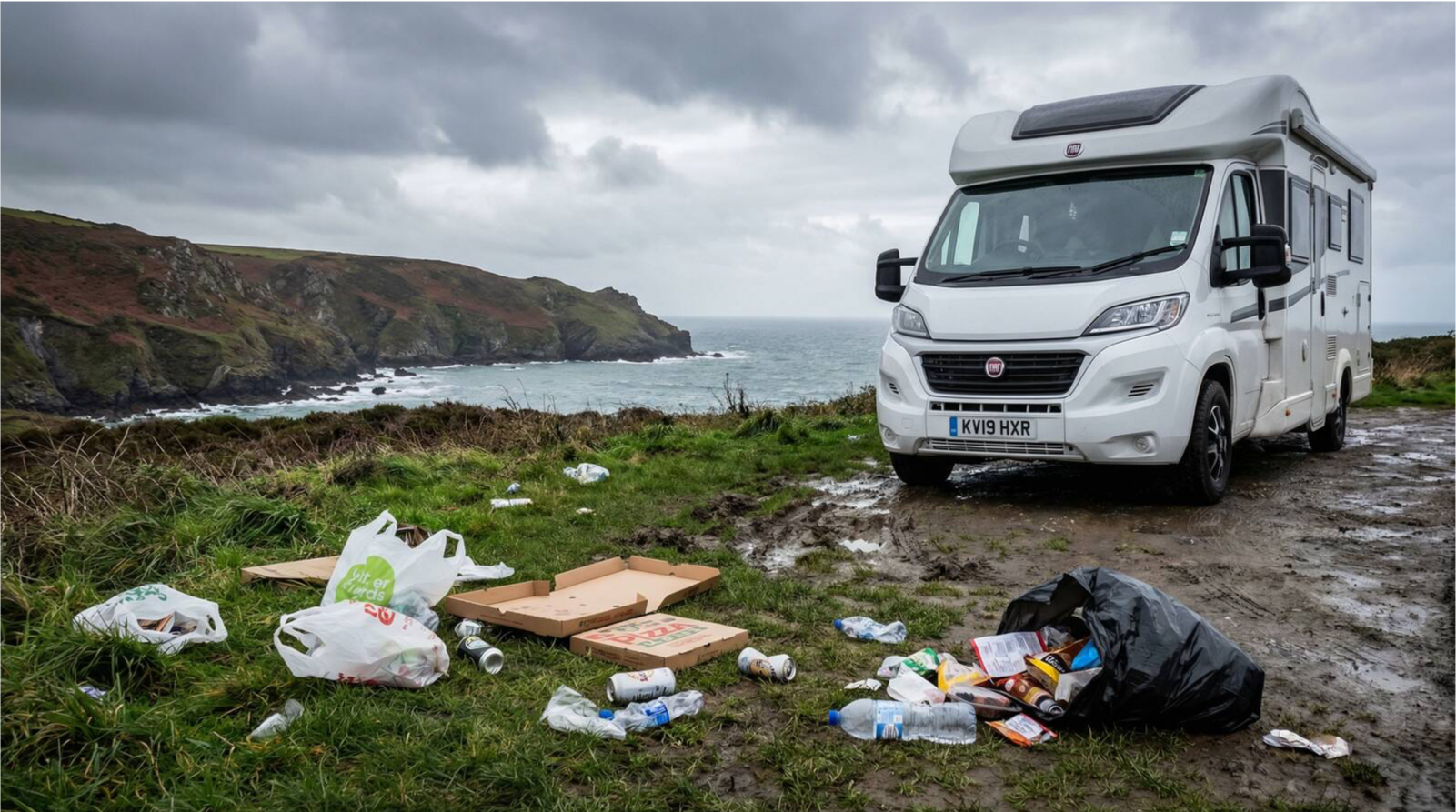
We’ve all been there. You find the perfect spot. A quiet little layby with a jaw dropping view of the sea, or a secluded forest car park where the only neighbours are the birds. It feels like you’ve struck gold, a little slice of paradise just for you. But then you return a few months later, and it’s gone. A shiny new sign has appeared, declaring ‘No Overnight Parking’. Or worse, the spot is littered with rubbish, the verges are churned up, and there’s a faint, unpleasant smell in the air. It’s a gut punch, and it’s happening more and more across the UK.
It begs the question, a question that might make some of us a bit uncomfortable: are we, the motorhoming community, our own worst enemy? It’s a tough pill to swallow, but when you look at the evidence, it’s hard to ignore. For every ten of us who treat the countryside with respect, who leave no trace and support local businesses, there’s one who seems determined to ruin it for everyone. And unfortunately, it’s the actions of that one person that everyone remembers.
A plague of prohibitions
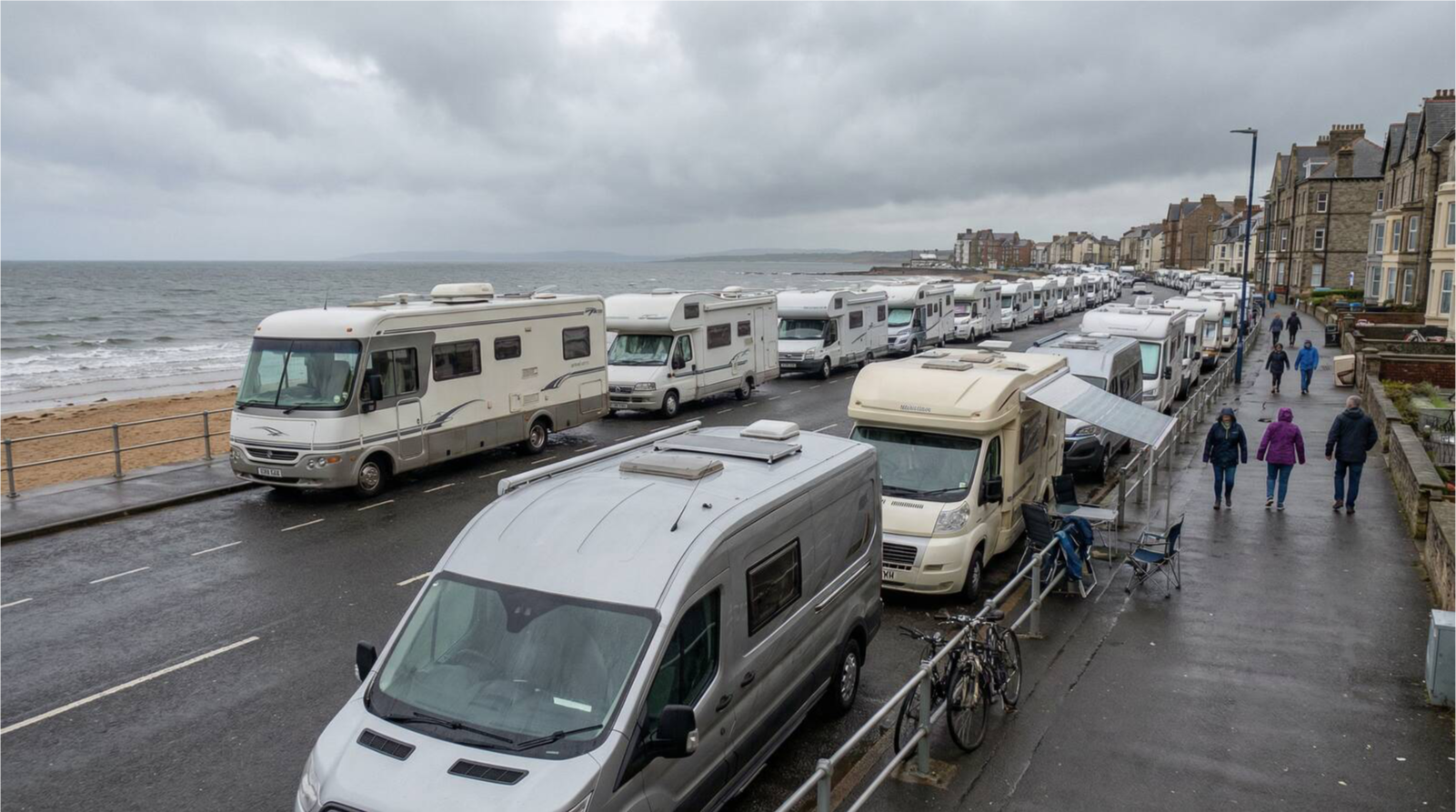
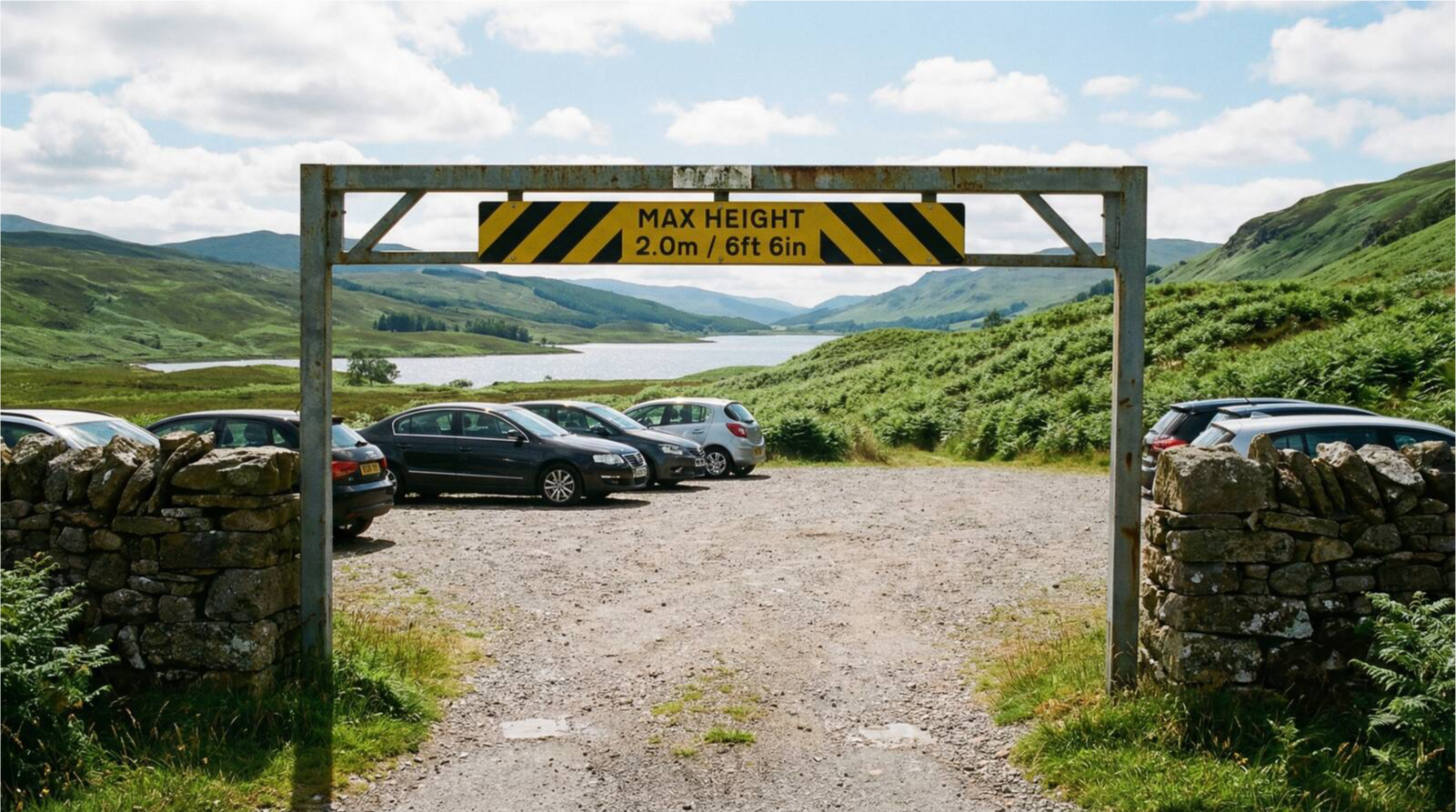
The signs are popping up everywhere, from the sunny shores of Cornwall to the dramatic coastline of North Yorkshire. In early 2026, Cornwall Council proposed a widespread ban on overnight parking in dozens of its car parks, hitting popular spots in Bude, Falmouth, and Newquay. Their reasoning? To manage parking more effectively, improve road safety, and reduce congestion. But we all know the real reason, don’t we? It’s a reaction to a problem.
A similar story unfolded in North Yorkshire. The council there introduced a trial ban on overnight parking in hotspots like Scarborough, Cayton Bay, and Sandsend. Why? They cited an “unprecedented level” of complaints about safety and, you guessed it, antisocial behaviour. It’s a pattern that’s repeating itself up and down the country. A few people cause problems, and the authorities respond with a blanket ban that punishes everyone.
The anatomy of a complaint
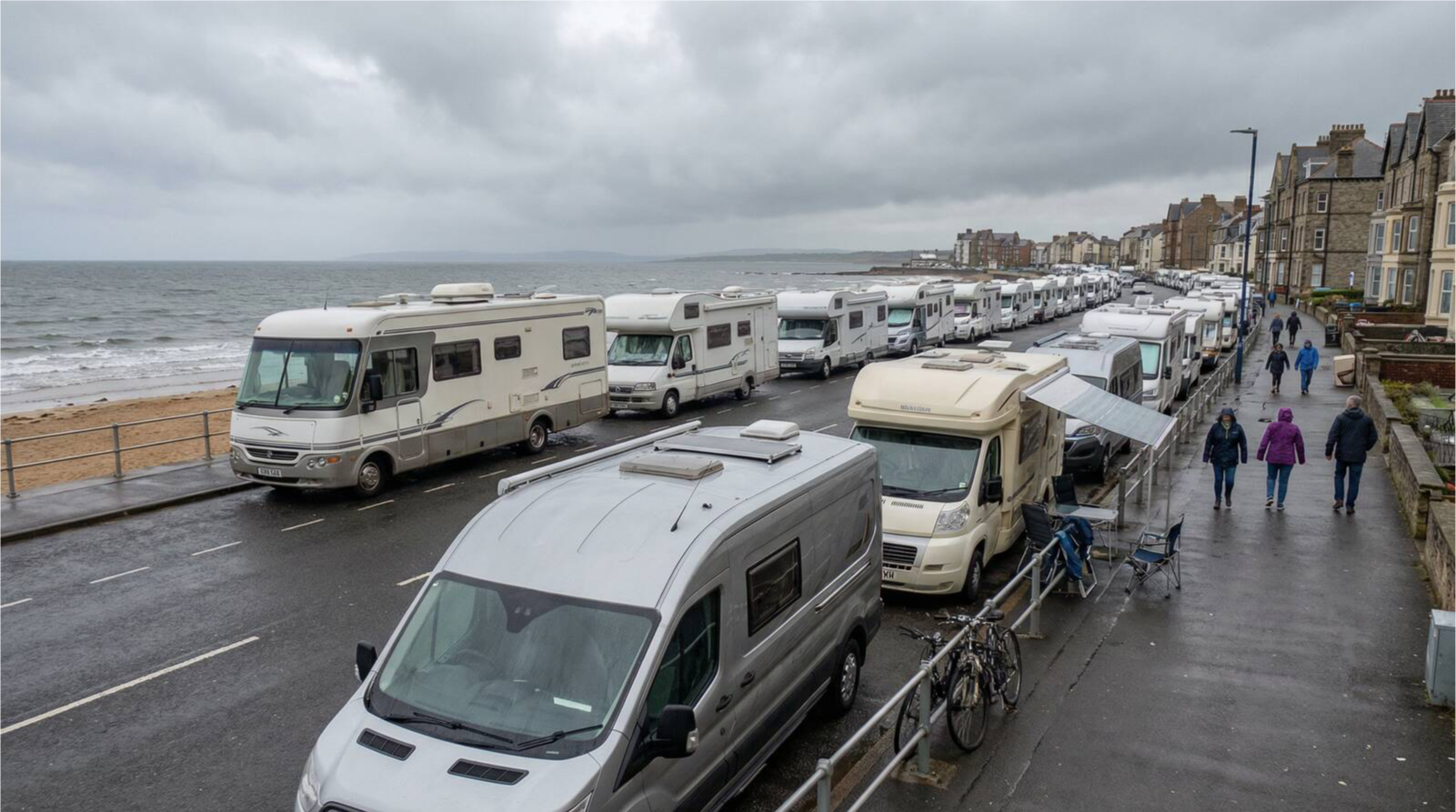
So what are these complaints actually about? Are they just grumpy residents who don’t like the sight of our lovely motorhomes? Sometimes, maybe. But often, the complaints are entirely justified. In North Yorkshire, one councillor reported that over two thousand incidents had been logged since their ban began. The issues included motorhomes discharging grey water into verges, people hanging their washing on public hedges, and even reports of noise and intimidation.
In Withernsea, East Yorkshire, things got so bad that a local councillor said some people were using their motorhomes as permanent holiday homes on the promenade, blocking pavements with barbecues and, disgustingly, tipping toilet waste down public drains. When you hear stories like that, you can almost understand why councils feel they have to act. It’s a minority, a tiny fraction of the community, but their actions are having a massive impact on all of us.
Shifting the problem, not solving it
The frustrating thing is that these blanket bans rarely solve the issue. As the Scarborough Town Council pointed out, the ban on their seafront simply pushed the problem into residential streets. This created even more tension between locals and visitors, with the same problems of noise and waste disposal now happening right outside people’s houses. It’s like squeezing a balloon; the problem doesn’t go away, it just pops up somewhere else.
This displacement shows that a simple ban is a blunt and ineffective tool. It fails to distinguish between the responsible majority and the irresponsible few. It punishes the considerate motorhomer who just wants a quiet night and a nice view, while the ‘bad apples’ simply move on to cause trouble in a new spot. It’s a lose lose situation.
So what is the answer?
There’s no easy solution. Many people believe the answer lies in providing more and better facilities. We need more designated overnight parking spots, or ‘Aires’ as they have in Europe, with proper waste disposal points for grey and black water. Some councils, like Cornwall, are trialling this approach, offering a limited number of overnight spaces in designated car parks for a fee. This is a step in the right direction, but it’s not the whole story.
Ultimately, the real change has to come from within our own community. We can’t just blame the councils for a lack of facilities when some people are abusing the facilities that already exist. We need to be better at self policing. That doesn’t mean starting arguments or being confrontational, but it does mean fostering a culture where bad behaviour is seen as unacceptable by everyone.
It starts with us
It means leading by example. It means taking our rubbish with us, even if the bins are full. It means using proper disposal points for our waste, every single time. It means being considerate of local residents, parking sensibly, and keeping the noise down. It means calling out bad behaviour when we see it, not in an aggressive way, but by explaining why it harms the whole community.
If we want to continue enjoying the freedom of the open road, we need to take responsibility for protecting it. We need to show local communities and councils that we are a valuable part of the tourism economy, not a problem to be managed. The future of wild camping and overnight parking is in our hands. Let’s not let a few bad apples spoil it for the whole bunch.
Picture the scene. You've spent the day wrestling with a new awning, navigating a particularly...
Picture this. You've just bought your first magnificent motorhome. It's gleaming on the driveway,...

It’s the kind of news that sends a shiver down the spine of the British motorhome community. A...