
.jpg?width=26&height=26&name=image%20(27).jpg)


It might look like a humble piece of kit, but to truly elevate your motorhome experience, one...
.png?width=26&height=26&name=facebookmobile%20(Custom).png)
.png?width=26&height=26&name=instgrammobile%20(Custom).png)
.png?width=26&height=26&name=twittermobile%20(Custom).png)
.jpg?width=26&height=26&name=image%20(28).jpg)

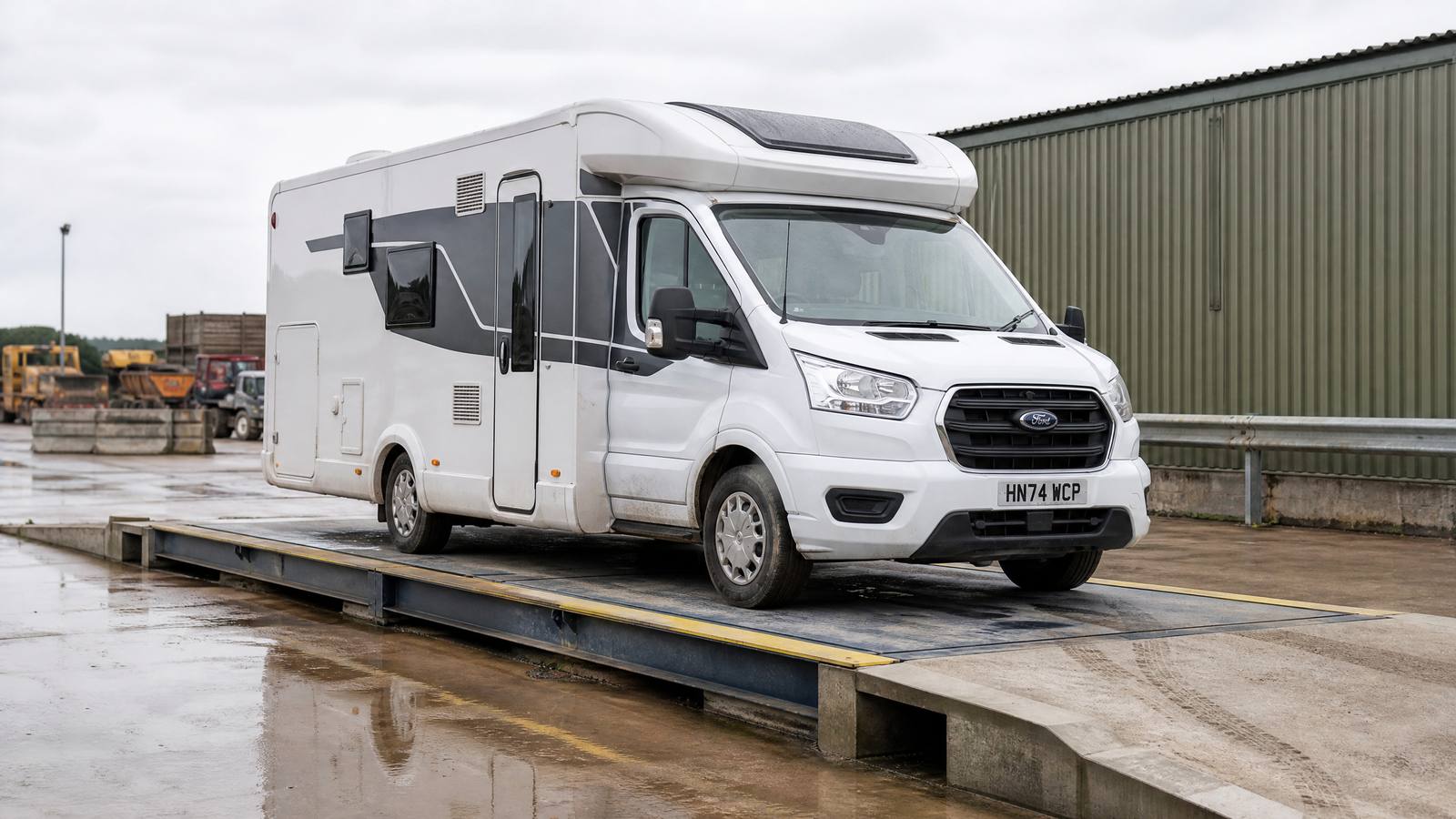
It often happens somewhere around the third roundabout of the day. You turn the wheel, the motorhome leans like a wardrobe being carried downstairs, the cutlery drawer files a formal complaint, and everyone suddenly becomes very interested in the grab handles. For other owners, it is the thump over a motorway joint that sends a shudder through the furniture and makes the cab doors sound as though they have fallen out with the habitation body.
The suspension market has an answer for all of this. In fact, it has several answers, usually accompanied by glossy promises and a bill large enough to affect the holiday budget. Rear air assistance, full air suspension, premium shock absorbers, anti roll bars and helper springs can all work extremely well. They can also be a waste of money when the chosen part does not match the actual problem.
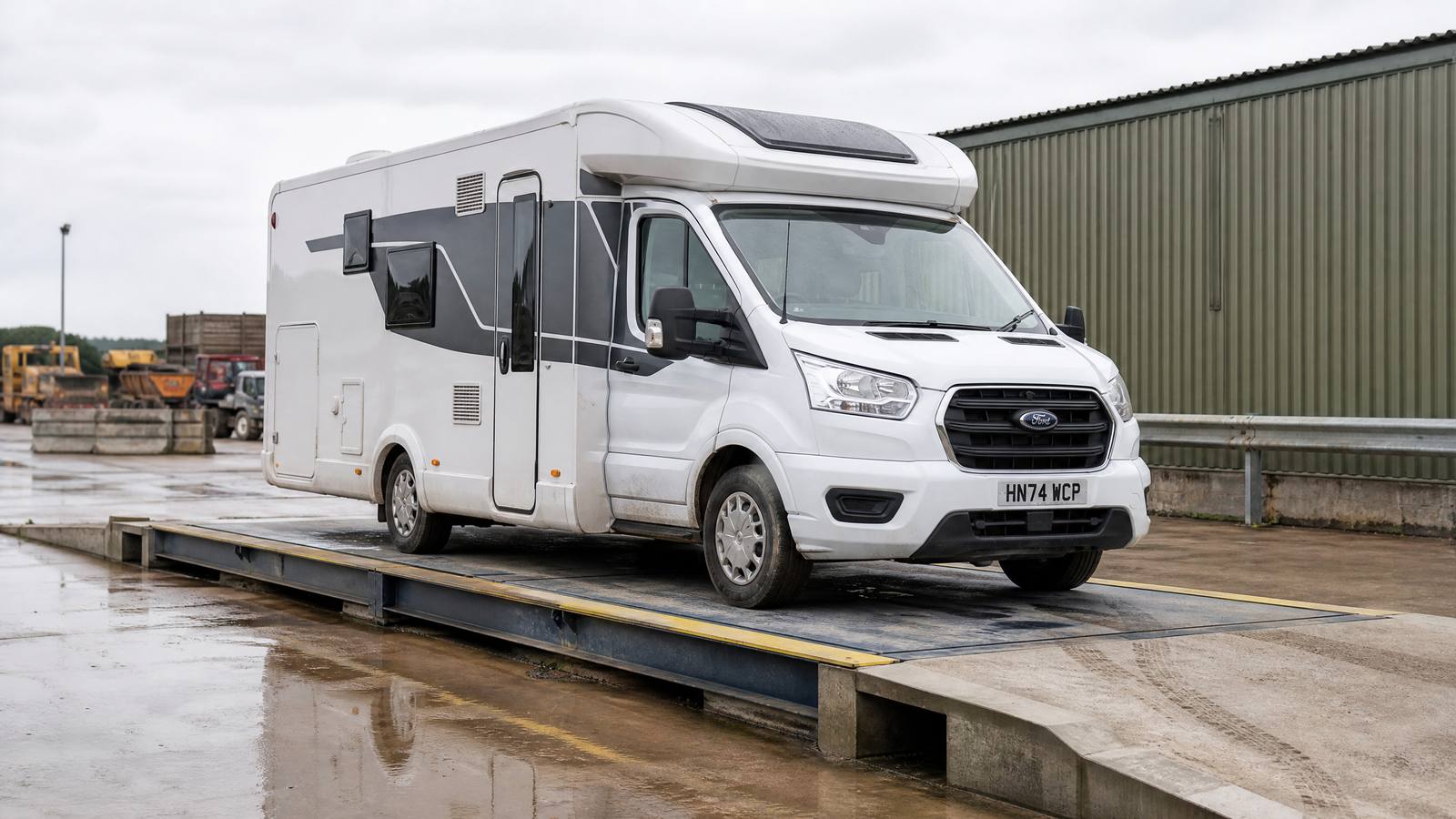
Start with the weighbridge, not the catalogue
Before changing anything, load the motorhome as it would be for a proper trip. Include the people, fuel, water you normally carry, gas bottles, food, bikes, tools and the collection of useful items that has not been useful since 2019. Then obtain the total weight and separate front and rear axle weights. Individual corner weights are even better if a suitable service is available.
The axle figures matter because a motorhome can sit below its total maximum authorised mass while still exceeding one axle limit. A heavy garage or bike rack behind the rear axle can also add more than its own weight to that axle through leverage while taking weight away from the front. Better springs may hold an overloaded motorhome more neatly, but they do not make that overload legal.
Tyres and worn parts can impersonate bad suspension
Tyre pressure has a huge effect on ride quality, but this is not permission to let air out until the crockery stops rattling. Some CP tyres in certain rear applications genuinely require very high pressures because of the conditions in which motorhomes operate. Always use the vehicle or chassis handbook, or consult the tyre manufacturer's load and inflation tables using your accurate axle weights.
Next, inspect what is already fitted. Look for leaking or damaged dampers, cracked springs, tired bushes, worn drop links, broken brackets and a rear suspension that is spending its life pressed against the bump stops. Check ride height and wheel alignment too. There is little sense fitting an expensive upgrade to disguise a failed standard component. That is not an upgrade. It is a repair wearing a smarter jacket.
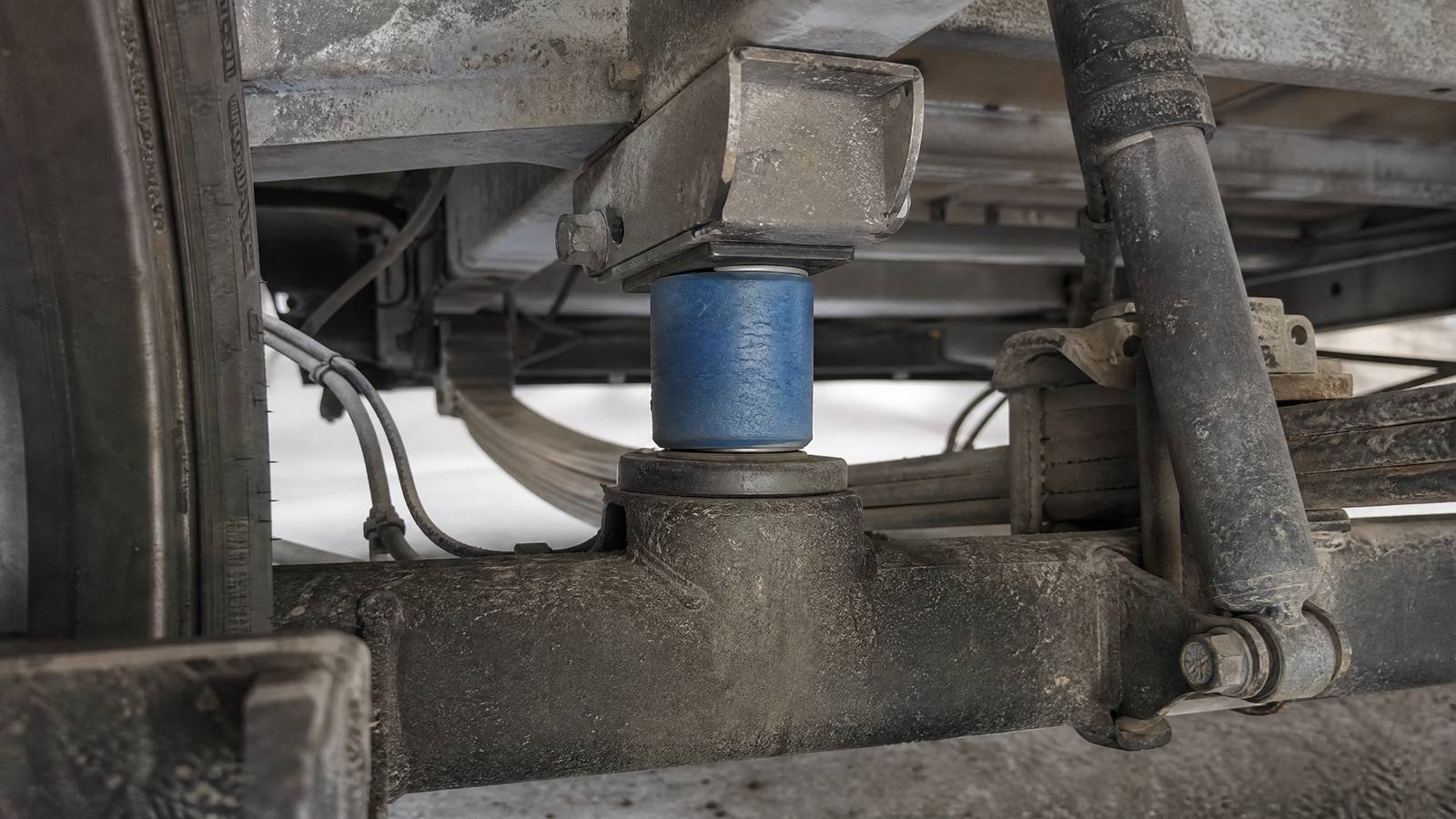
Rear air assistance: what it really does
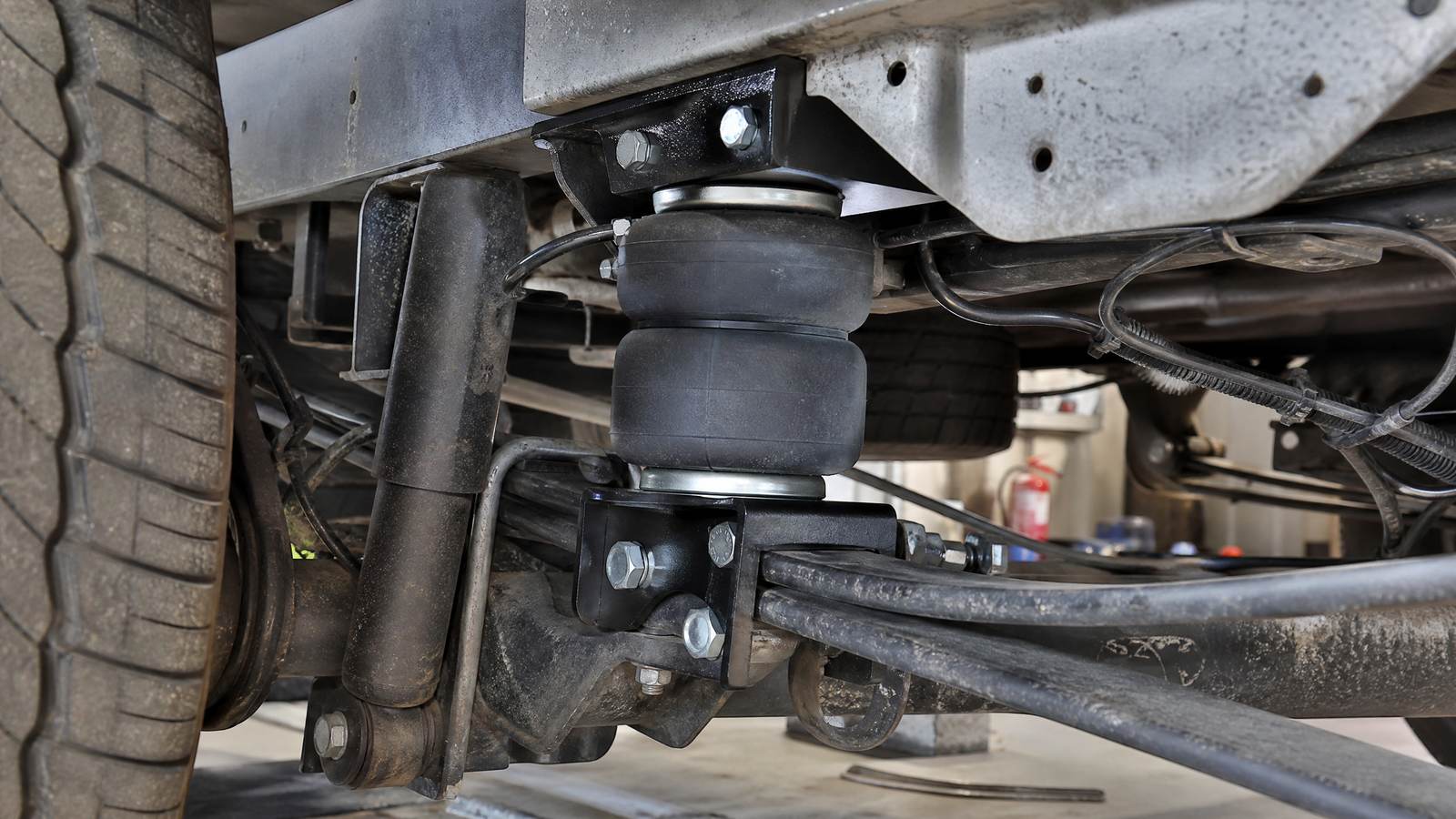
Rear air assistance is often called semi air suspension. On a conventional leaf sprung rear axle, rubber bellows are fitted between the axle and chassis to work alongside the original springs. They support part of the load, raise a sagging rear and restore some of the suspension travel that disappeared as the standard springs compressed. That can improve stability, reduce grounding on steep entrances and make the motorhome settle more quickly after a bump.
A basic system can use external filling valves, while a more convenient version adds pressure gauges and an onboard compressor. Separate left and right circuits can help with unequal loading and stop air simply moving from one side to the other, although the pressures and operating method must follow the instructions for the exact kit. A compressor does not make the suspension perform better. It merely makes adjustments easier, which is useful for changing loads but unnecessary for some owners.
The limits of rear air assistance
Air assistance is brilliant for stability and support, but it is not a cure for everything. It gets its strongest results when the problem is limited rear travel, sag or secondary movement. However, extra spring support can prevent a crash onto the bump stops, but too much pressure can make the rear feel firmer. It is not designed to turn a harsh ride into a soft one.
Air assistance is poor value if it is being used to conceal an overloaded axle, a cracked leaf spring or an unsuitable tyre setup. It does not alter the legal weight shown on the vehicle plate or registration record. It may form part of a formal uprating process, but the engineering assessment and official paperwork create the new limit, not the presence of two air bags.
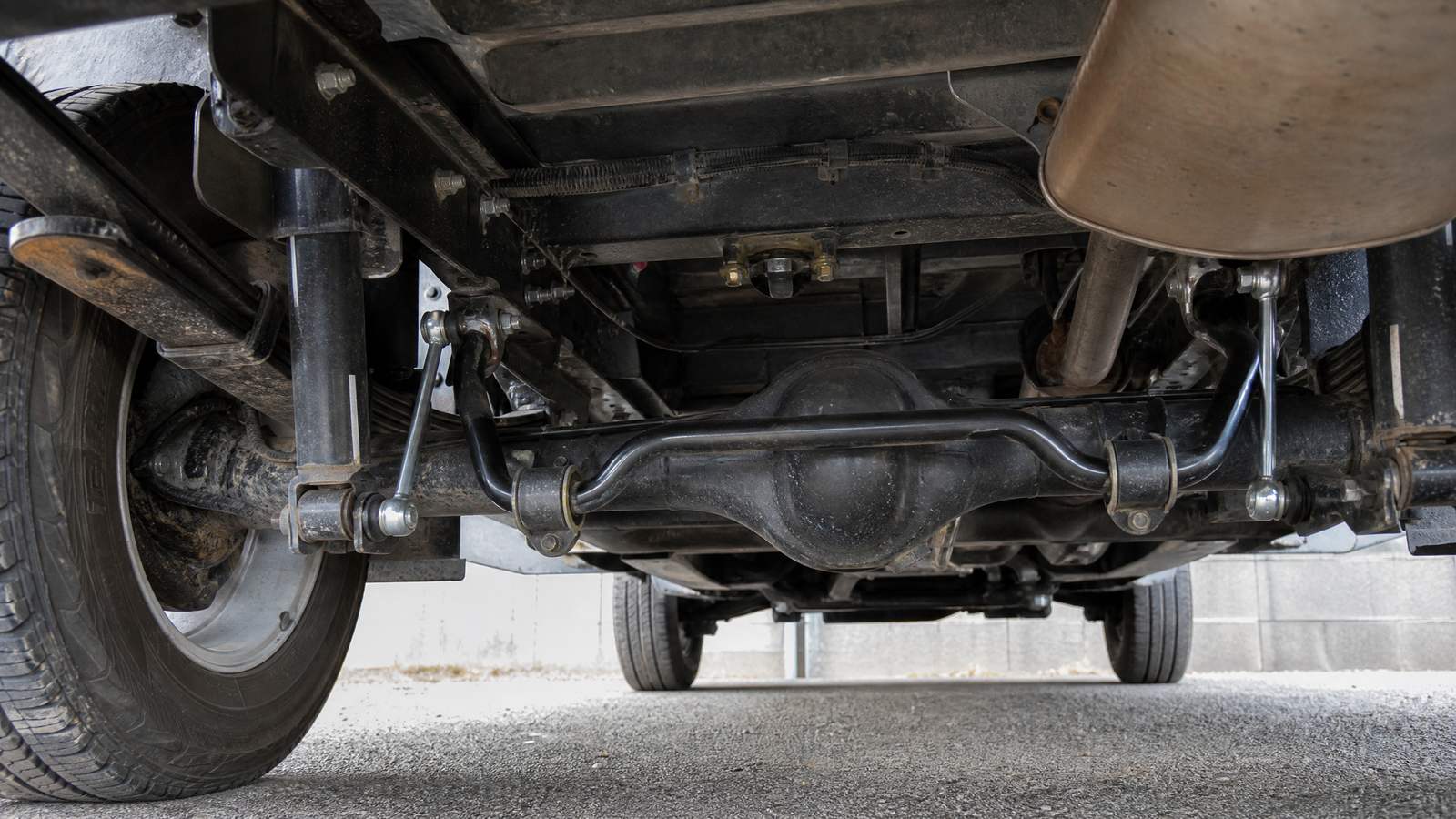
Upgraded shock absorbers: control, not support
Springs carry the motorhome. Shock absorbers, more accurately called dampers, control the movement of those springs. A weak damper allows the body to continue pitching, bouncing or rocking after the wheel has passed the disturbance. A stronger spring might reduce the movement by brute force, but a properly matched damper controls it without necessarily making the suspension dramatically stiffer.
Premium replacement dampers use mechanical valve systems intended to balance comfort with body control. The principle is attractive because a motorhome needs restraint during a long, slow body movement but some compliance over a short, sharp disturbance. Fitment is not universal. Light and heavy chassis versions can require different parts, and one vehicle may use a different damper type at the front and rear. Order against the exact chassis and original equipment details, not merely the motorhome badge on the bonnet.
The damper reality check
If your motorhome feels like a boat on a rough sea, pitching forward and back long after you hit a bump, your standard dampers are likely overwhelmed or worn out. Premium replacements will tighten up the handling and reduce the crashing sensation, making broken surfaces and potholes more manageable. Better dampers often make a good vehicle more controlled.
However, dampers cannot alter the ride height. If your rear leaf springs are flat and the motorhome is sitting on its bump stops, new dampers will not lift it back up. You need to fix the spring support first. They do not turn poor spring travel into good spring travel. Some owners find that fitting premium dampers to the front axle, combined with air assistance on the rear, provides the best balance of cost and comfort.
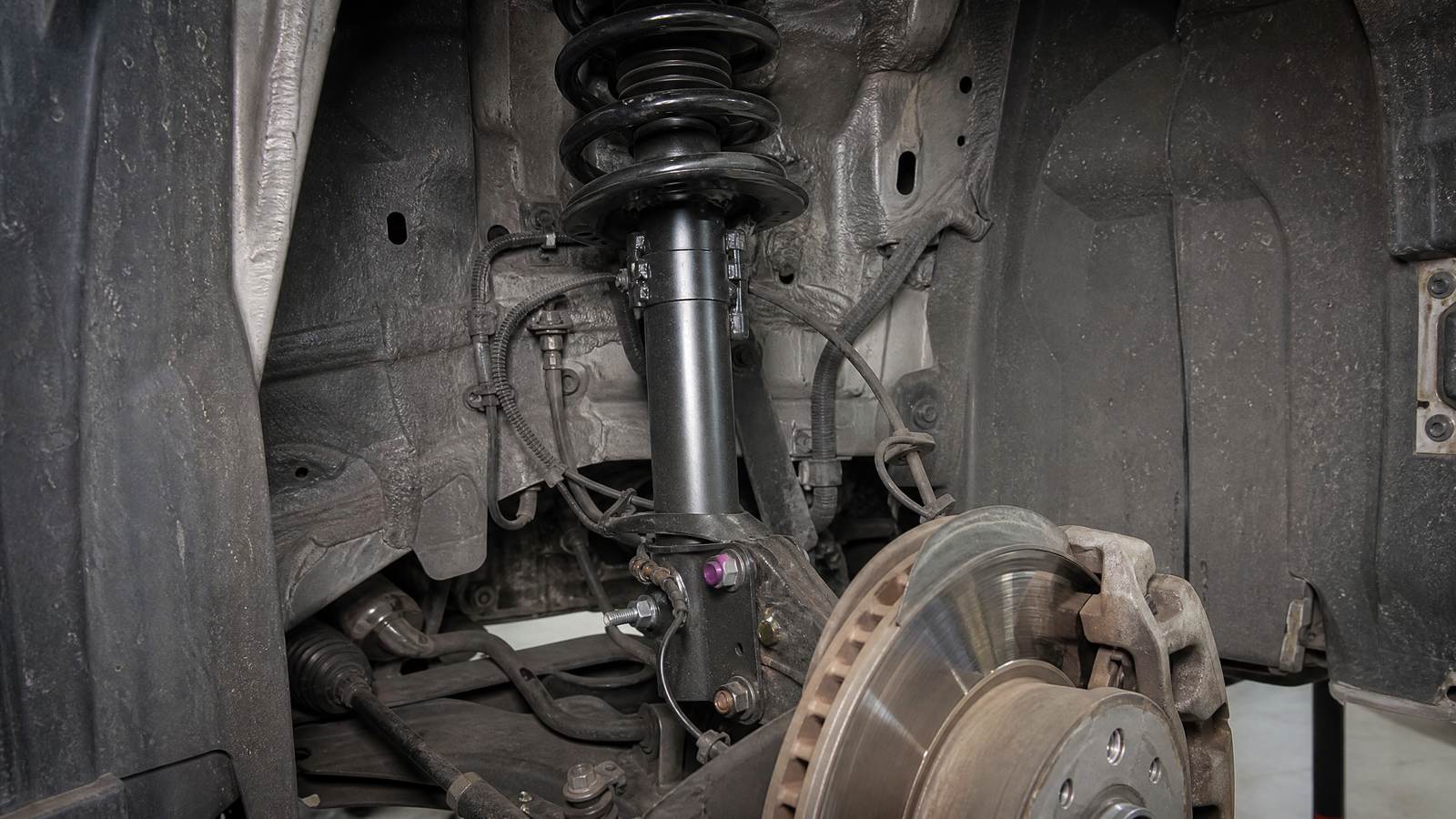
Anti roll bars: excellent at one job
An anti roll bar links the suspension movement on the left and right sides of an axle. When the outside suspension compresses in a bend and the inside extends, the bar twists and resists the difference. A stronger bar can therefore reduce cornering lean, calm the repeated side to side rocking caused by an angled entrance and make an emergency direction change feel more controlled.
It does much less when both wheels rise together over the same ridge, and it cannot hold up a sagging rear. Because it couples the two sides more strongly, a very stiff bar can also make a single wheel bump more noticeable and reduce suspension articulation. The aim is not to eliminate every degree of lean. A motorhome is tall and heavy. The aim is to control the movement without creating a new problem elsewhere.
Why anti roll bars are often the wrong first buy
On a modern European coachbuilt motorhome, first check whether a suitable bar is already fitted and whether its bushes, links and mountings are healthy. A new bar will not repair a worn connection. An uprated bar is also unlikely to cure straight line wandering caused by alignment, steering play, unsuitable tyre pressures, a lightly loaded front axle or a large rear overhang.
It may reduce the lean that follows a gust, but it cannot prevent a slab sided body from being pushed sideways by the wind. If a supplier recommends a thicker bar without asking exactly when the problem occurs, keep hold of your wallet.
Helper springs: simple support with no buttons
Helper springs cover several different products. An extra steel leaf can support the original rear spring. An auxiliary coil can add support to a compatible axle. Uprated front coils can restore ride height where a heavy motorhome body keeps the cab suspension permanently compressed. Progressive elastomer helpers replace or supplement the original bump stops and contribute more support as they are compressed.
Their main appeal is simplicity. There are no air lines, gauges or compressors, and a correctly selected system can be fitted and largely forgotten. The limitation is equally simple: there is no adjustment. A fixed steel spring chosen for the heaviest imaginable trip is still there when the water tank is empty and the bikes are at home. Progressive helpers are more forgiving, but the density and engagement point still need to match the vehicle.
The risk of fixed support
The risk with fixed support is choosing a component before the true axle load and ride height are understood. It is easy to end up with the back too high or a ride that is uncomfortably stiff when the motorhome is not fully loaded.
If the original leaf is genuinely fatigued or damaged, replacing it with the correct spring may be better engineering than asking a helper to conceal its condition. For a known, constant heavy load, however, they provide reliable and maintenance free support.
Full air suspension: the complete answer at a complete price
Full air suspension is entirely different from rear air assistance. It replaces steel spring elements with air springs and uses height sensors, controls, a compressor and an air supply to maintain the intended ride height as the load changes. Rear only and full four corner systems are available for certain chassis. The most sophisticated versions can alter height for low speed manoeuvres and provide limited automatic levelling when parked.
This is the system most likely to deliver a substantial improvement in comfort as well as control, isolating the cabin from road shock far better than steel springs ever could. It is also the most expensive and complex. The installation can consume tens of kilograms of payload, and future service support matters because valves, sensors, compressors and air lines eventually live the same outdoor life as everything else under a motorhome.
The reality of a complete system
Full air is the closest option here to a complete suspension transformation. It smooths out heavy thumps, improves cornering and offers highly useful functions for levelling and drainage.
It is important to remember that a short wheelbase can create a choppy ride of its own and that even full air cannot be guaranteed to cure every single complaint. It cannot change the wheelbase, remove every body rattle or persuade a pothole to become less of a pothole. Static levelling is useful, but air suspension will not normally feel as rigid on a pitch as properly deployed hydraulic legs.
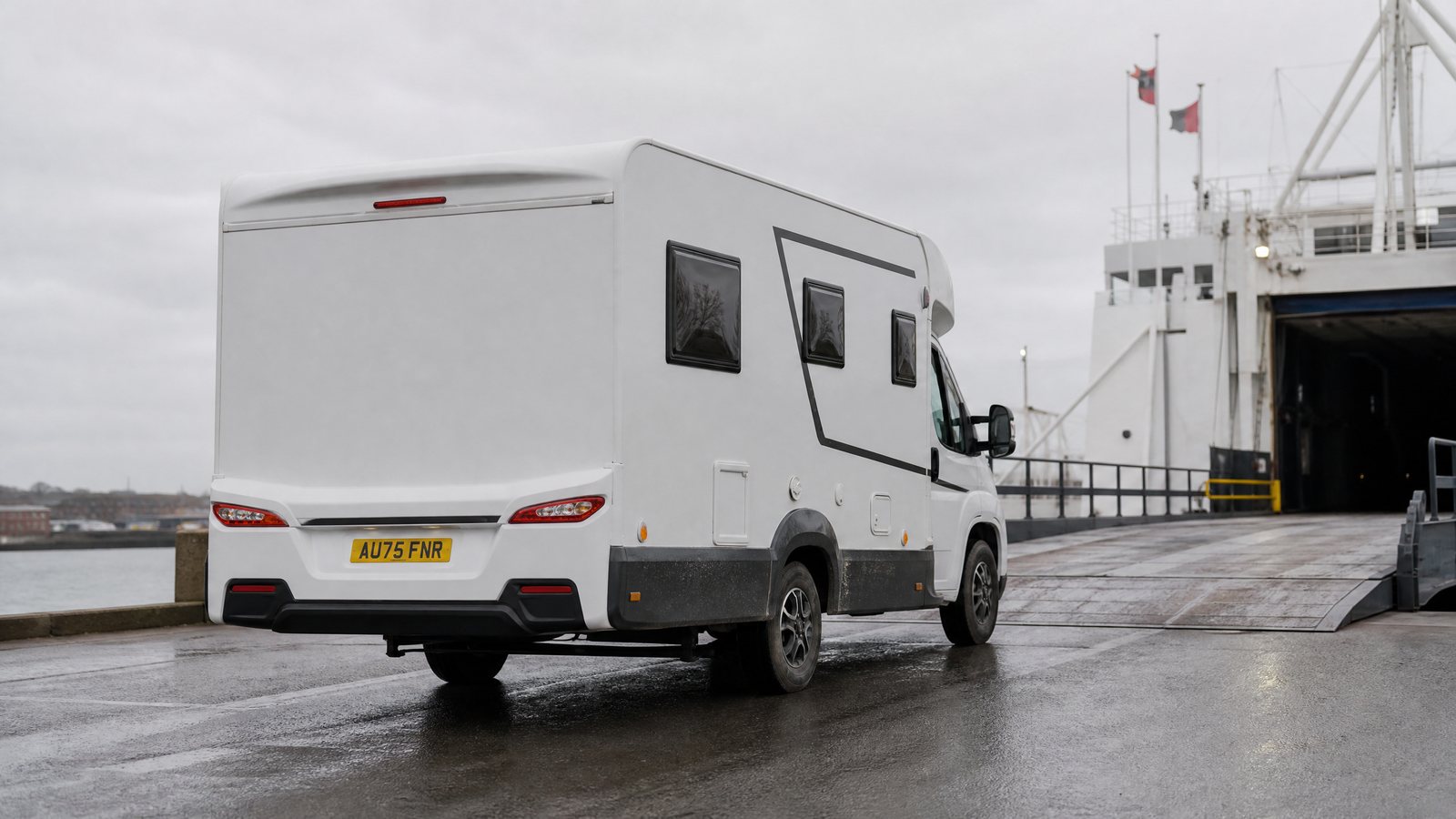
The upgrades you might regret
Regret usually begins with buying the right product for the wrong symptom. It is common to see air bags fitted to cure tyre harshness, dampers to lift a sagging rear, helper springs to disguise an overloaded axle and anti roll bars to correct steering geometry. The new part may work perfectly while the original complaint remains. This is how a sensible modification earns an unfair reputation.
The other expensive mistake is choosing an extreme specification because more must surely be better. Maximum air pressure, the stiffest helper, the thickest bar and the hardest damper are not a winning set. Suspension is a balance between support, control and movement. Once you remove too much movement, the energy does not disappear. It arrives in the body, the furniture and, eventually, the person wondering why the oven door has started squeaking.
How to choose the right upgrade
For a sagging rear with too little travel, investigate the condition of the original spring, then compare a helper system with rear air assistance. For repeated bouncing or pitching, inspect the dampers and consider a motorhome specific replacement. For genuine cornering lean after the springs and dampers are known to be healthy, an uprated anti roll bar may be appropriate. For the broadest improvement in ride and height control, full air is the premium answer.
Change one thing at a time where practical. Record loaded axle weights, tyre pressures and ride heights, then drive the same familiar route before and after the work. A mixed solution is often the best one. Rear air assistance combined with well matched front dampers or coils can be more useful than spending the entire budget on one dramatic component. Tell the insurer about suspension modifications and keep the invoice, approval documents and operating instructions with the vehicle records.
My verdict
Rear air assistance offers the strongest value when a coachbuilt motorhome genuinely suffers from rear sag, limited travel or changing loads. Premium dampers are worthwhile when the problem is poor control rather than poor support. Helper springs suit owners who want simple permanent assistance and understand the trade in adjustability. An uprated anti roll bar is a targeted tool for excessive lean, not a universal handling cure. Full air is the best complete system, but not automatically the best use of money.
None of these products is inherently a waste. The waste is buying one before weighing the motorhome, checking the tyres and finding the real fault. Diagnose first, choose the component that performs the missing job, and ignore anyone who promises that one bolt on box will make a three and a half tonne motorhome drive like a sports car. Physics has a sense of humour, but not that much of one.
Subscribe to our newsletter and get the latest articles delivered straight to your inbox


It might look like a humble piece of kit, but to truly elevate your motorhome experience, one...

The skylight is a wonderful thing - it does what it says on the tin, providing natural light,...
Right then, let's be honest. There are few things more frustrating than pulling up to a sun...