
.jpg?width=26&height=26&name=image%20(27).jpg)
Food is the World’s currency Living in a van for the past eight years has taught me plenty. I've...
.png?width=26&height=26&name=facebookmobile%20(Custom).png)
.png?width=26&height=26&name=instgrammobile%20(Custom).png)
.png?width=26&height=26&name=twittermobile%20(Custom).png)
.jpg?width=26&height=26&name=image%20(28).jpg)

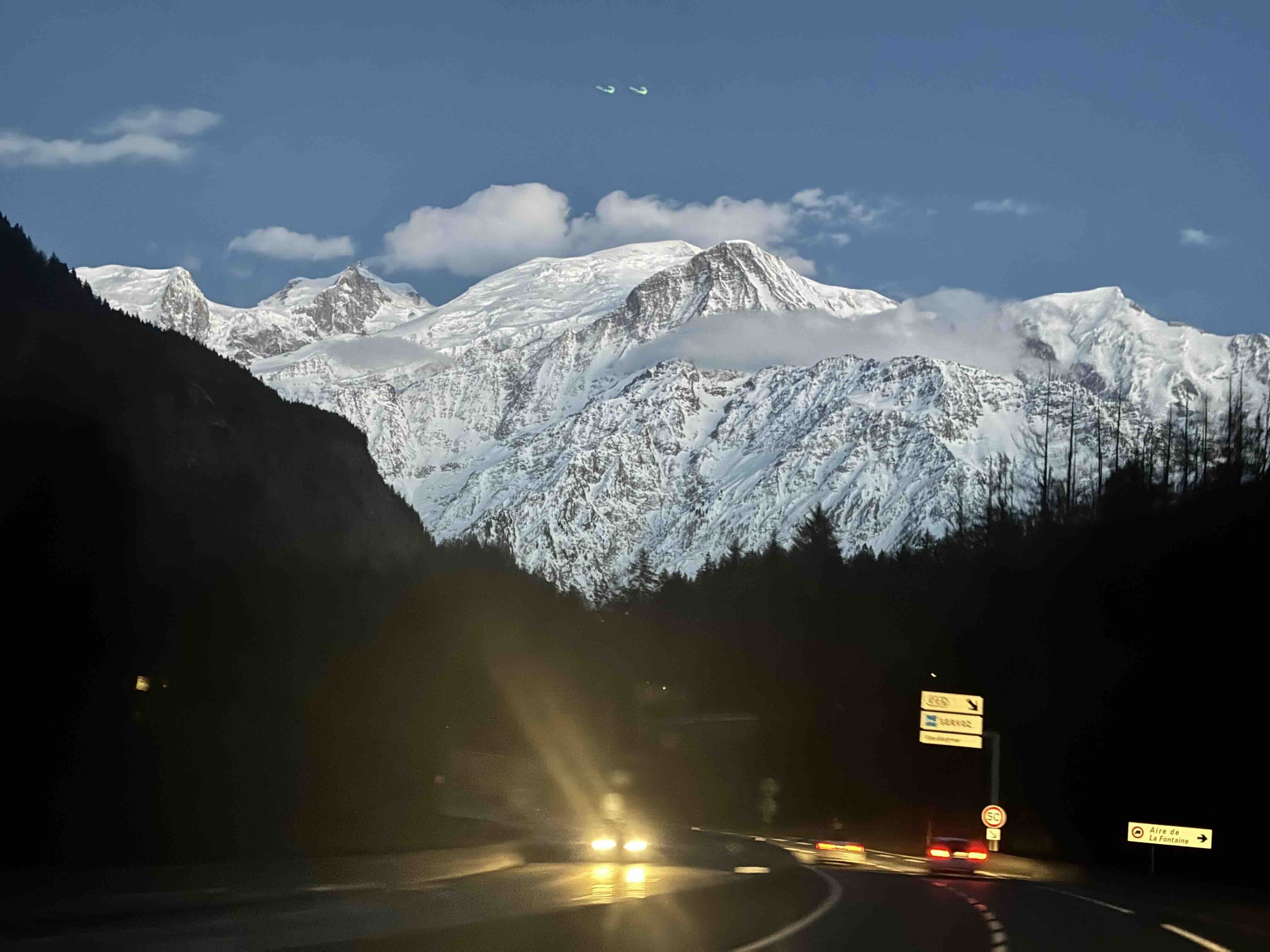
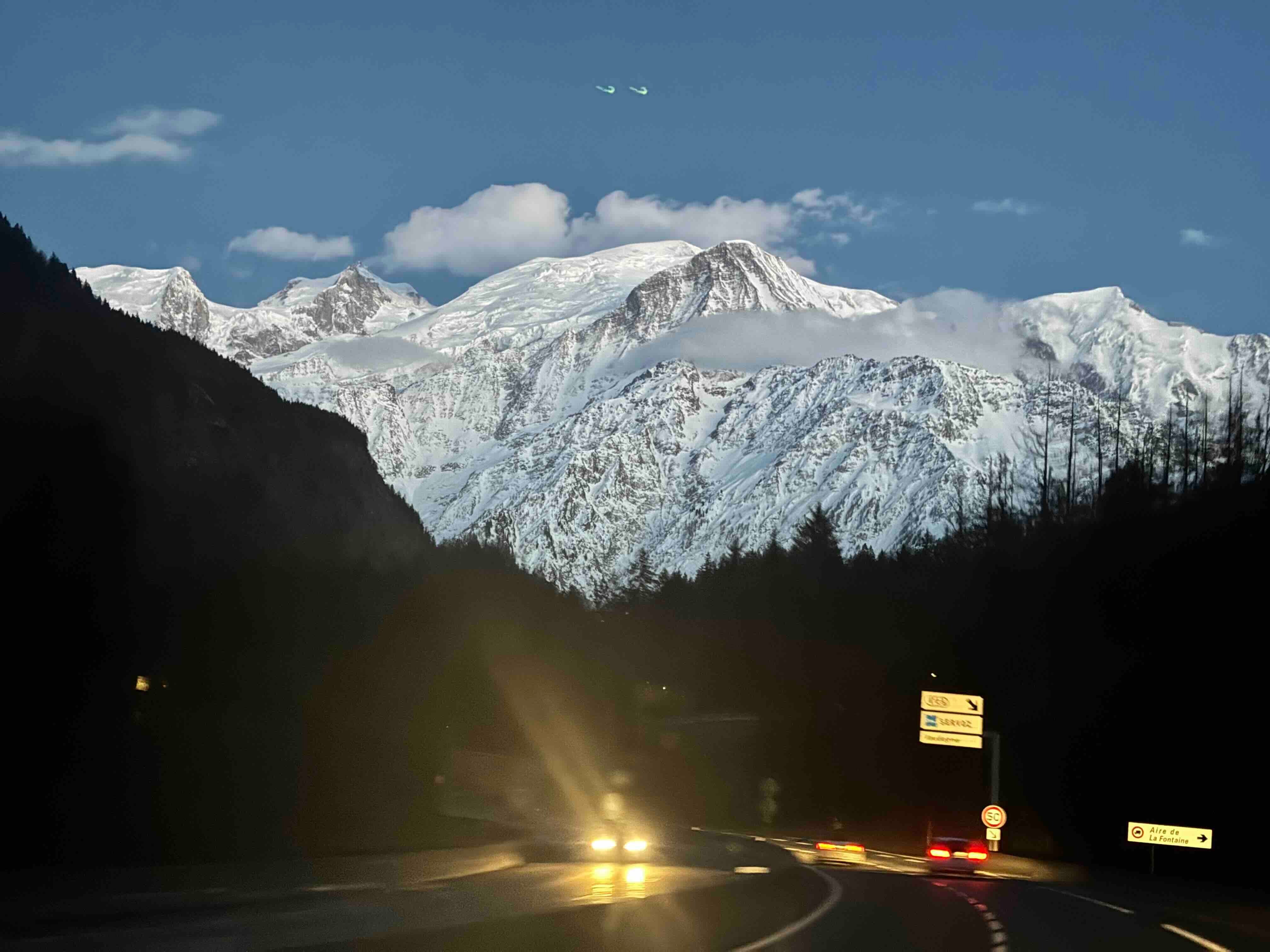
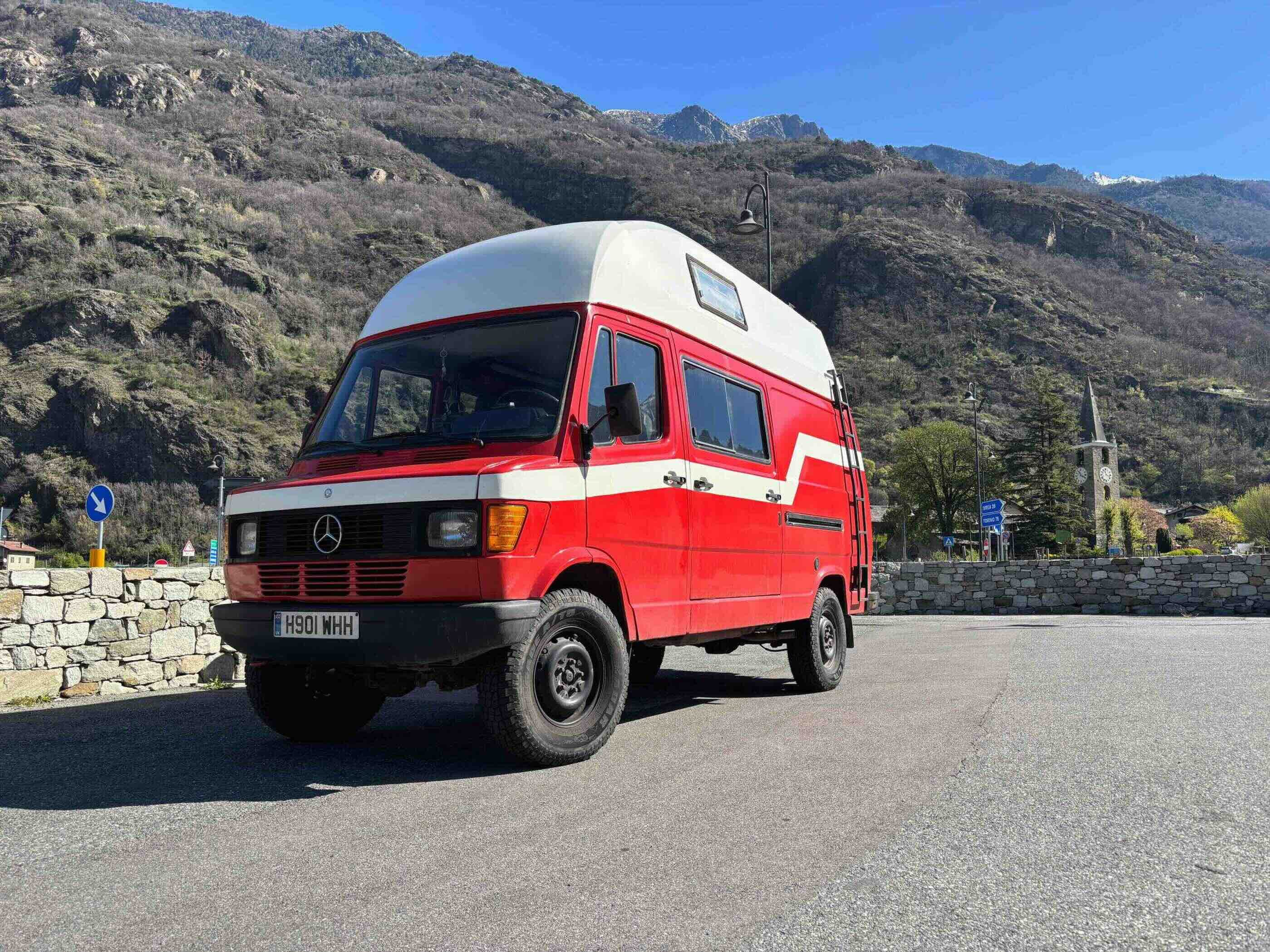
We drove through the Mont Blanc tunnel late at night, queuing up with cars destined for adventures. Sitting in the queue, we suddenly realised we were over 3m tall in our camper and panic struck. Checking the online rates, it states vehicles over 3m tall would be class 3, which is double the regular price. Sat in a slow moving queue with petrol being burnt, it felt like we were going to face a day that could wipe out a week's travel budget. Crawling towards the booth, we braced ourselves. With a gentle smile, she only asked us for the Class 2 rate and despite that initially feeling expensive, we were relieved to find out we could get another tank of fuel with the savings.
When living on the road, there are two main currencies. Fuel and Food. With recent petrol prices soaring and food costs increasing too, life was getting a bit more of a squeeze, but thankfully we had a plan.
Our campervan runs on LPG (or GPL in Europe). In Italy, it happened to be 45% cheaper than in France. So we realised we could limit the impact of the fuel prices and try to keep the food budget under control, which is difficult for someone who gets excited at every food stand!
So, Mont Blanc became Monte Bianco. Same mountain. Different country.
The last time that we were here, we were up in the Dolomites. Big, dramatic, almost theatrical. The kind of landscape that makes you feel small in a good way. Everything is vertical. Jagged. Loud and hard to capture on camera. 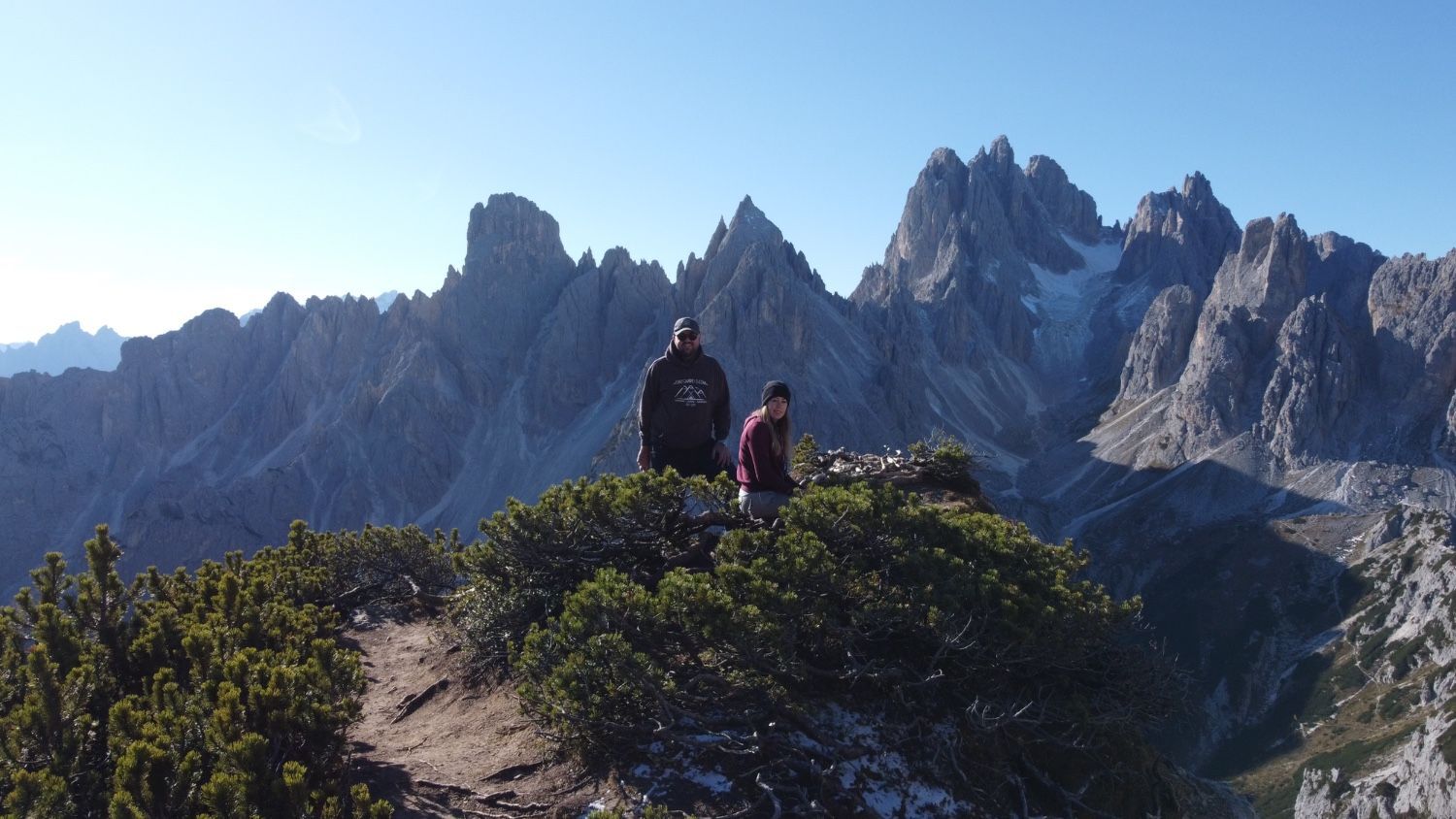
This time, we dropped down into Vercelli, in the Po Valley. A unique landscape that has a microclimate due to the positioning of the Alps. The air is calm and still with very little air flow. It gives cold foggy winters and humid hot summers. Whilst it’s not a weather forecast I usually point towards, it does have some benefits.
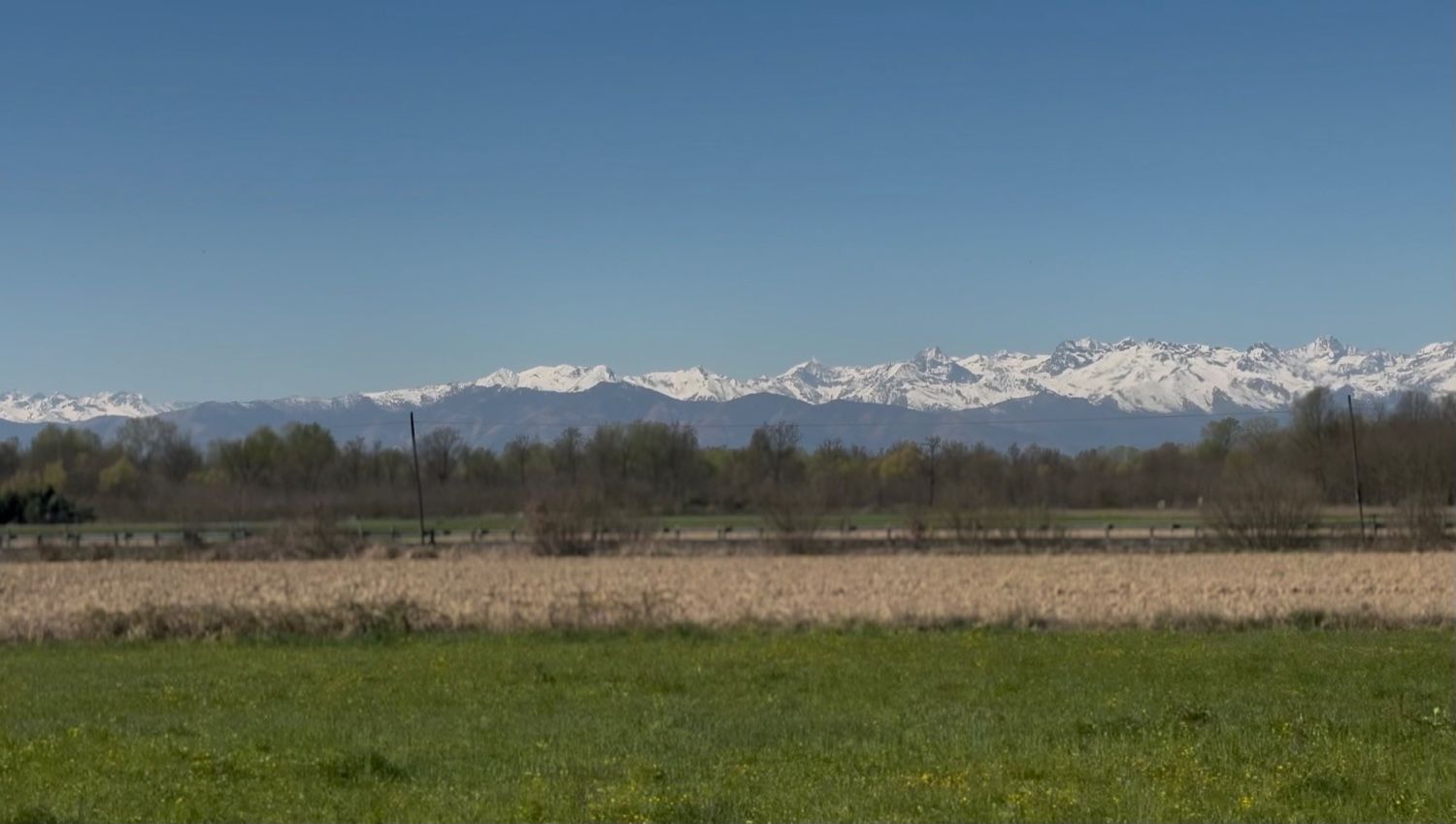
This environment is perfect for risotto rice.
Controlled water gives consistent growing conditions. The warm and humid summers are perfect for rice development and the flat land allows for easy flooding and management of water.
Flat. Calm. Organised.
The kind of place where everything has its place and nothing’s in a rush. The fields stretch out in perfect lines, filled with water, reflecting the sky like glass. You drive through it and it almost feels artificial. Too neat. Too controlled.
But this is where it all comes from. The famous Rice.
Not something you usually associate with Italy until you’re standing in the middle of it, surrounded by it. Then it clicks.
This isn’t the pasta or pizza region. This is risotto.
Arborio. Carnaroli. Vialone Nano.
Names you’ve seen on menus a hundred times without really thinking about them. Up here, they actually mean something. They’re not just ingredients, they’re decisions. Texture. Structure. How the dish is going to feel when you eat it and how you can completely change the way you think about Risotto.
Rice isn’t supposed to behave like pasta. It doesn’t just sit there and wait for a sauce to be thrown at it. It absorbs. It reacts. It gives something back if you treat it properly. It unleashes the chef intuition I have built up over the years, enough for me to get excited about grain shapes and sizes.
Arriving into the rice fields, the sun hit down on the windscreen. Unfortunately it wasn’t hitting any solar panels. Our panels had broken in the winter snow and we were already running on just one small battery, which is overdue an upgrade! The driving was too expensive to keep it topped up with the alternator, so we were faced with one of the worst decisions. We needed to turn our fridge off to reserve battery power. Dreams of filling my fridge and freezer with goods from every town started to fade and I faced the prospect of significant menu changes, not something a chef likes in the middle of service.
Battery issues. One of those things you don’t plan for but end up working around. It changes how you cook straight away. No storing ingredients. No buying ahead. Just what you can carry, what will last, what you can use there and then.
Thankfully, Risotto doesn’t need cream from the fridge. Hard cheeses, like Parmigiano Reggiano, weren’t made to be delicate. They were made to last. To travel. Something you could keep with you, break into, and add flavour to whatever you had in front of you.
Cooking like this, on the road, isn’t just about the experience, it’s about making it work.
Every euro you spend is another mile you don’t drive. Another place you don’t reach. You start thinking about it differently. Not in a tight way, you're just more aware.
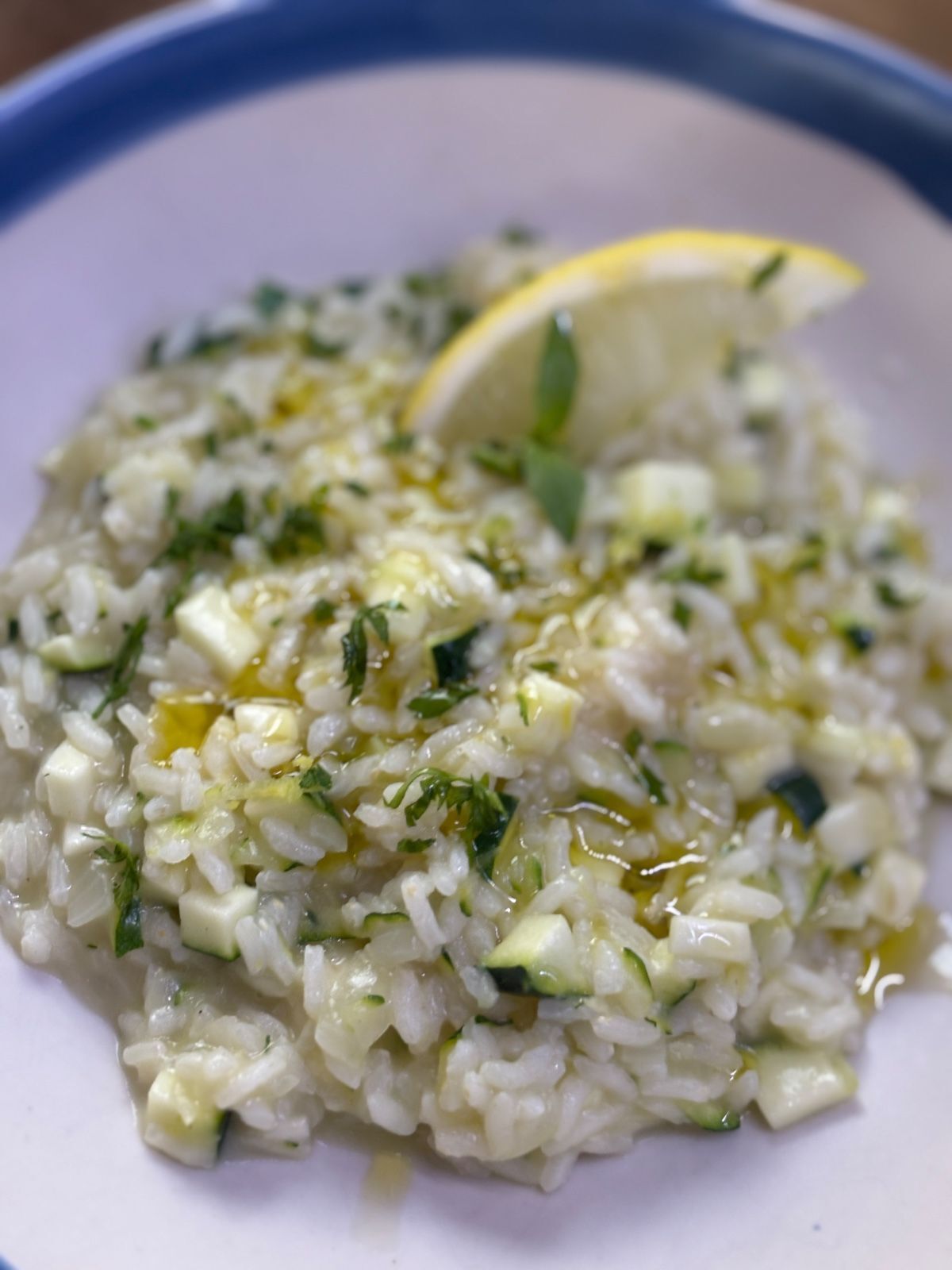
Which is probably why food like this exists in the first place and it’s why I decided to lean on one of my favourite one pan dishes in a campervan. A simple light Lemon Courgette Risotto.
I wanted it lighter. Cleaner. Something that would hold its shape but still give you that soft, creamy texture without turning heavy. Especially with lemon and courgette, you don’t want it weighed down.
That’s the thing people get wrong about risotto. It doesn’t need to be stodgy.
If it is, you’ve gone too far. Too much liquid, too much stirring, too much trying to force it into something it’s not. Done properly, it should feel loose. Almost like it’s still moving on the plate. Up here, they’re not overthinking it. They just know when to stop.
That’s why the type of rice matters. I went with Carnaroli.
It holds its shape better, stays lighter, and with lemon and courgette that matters. You don’t want it turning heavy. It gives you control, a bit more forgiveness. You can push it further without it falling apart. Arborio would’ve worked. It always does. But it softens quicker, leans heavier. We want to keep this light and fragrant.
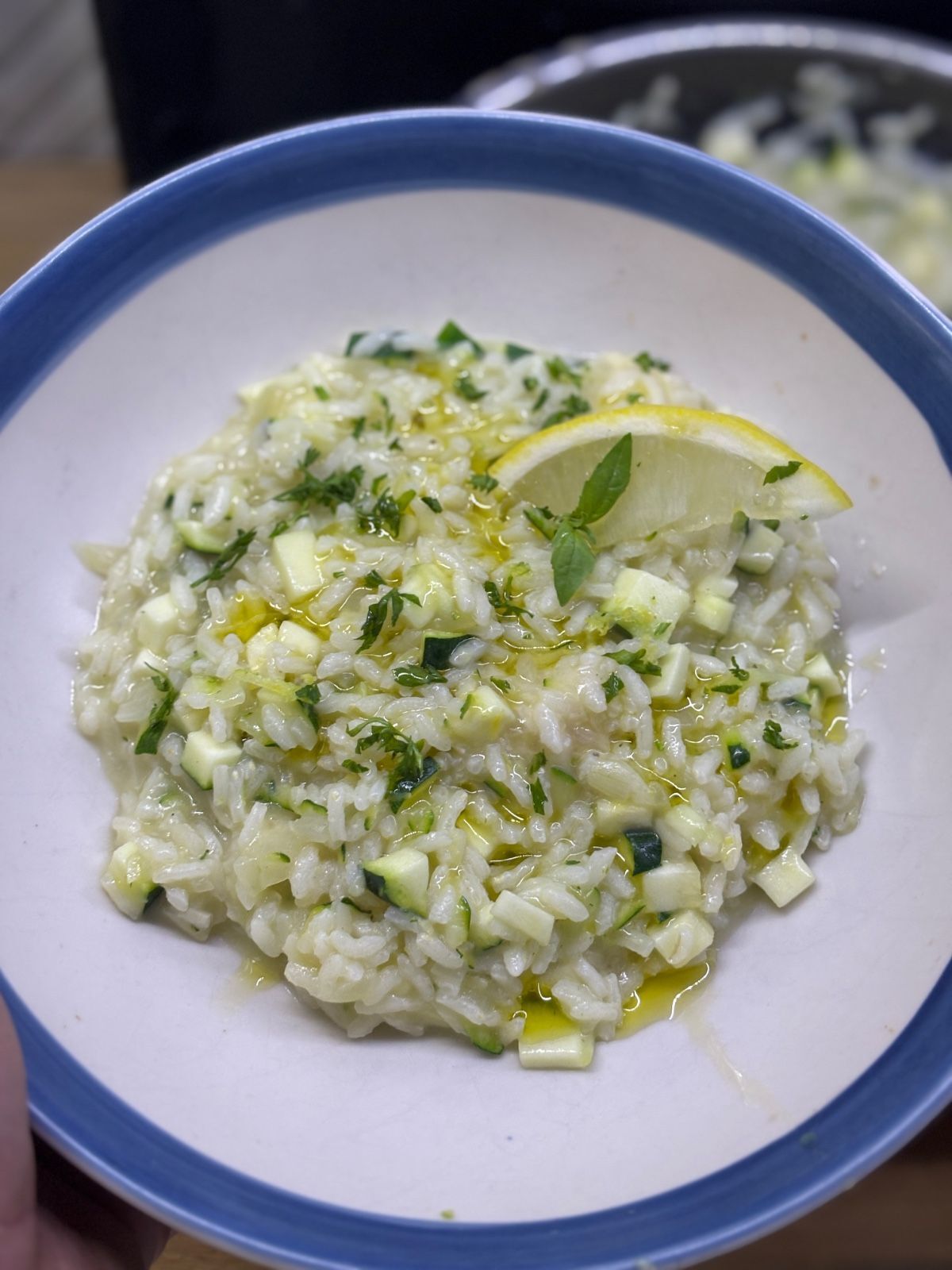
LEMON & COURGETTE RISOTTO (Serves 2)
Light, creamy, and fresh – a Northern Italian classic with a bright twist
Ingredients
- 150g risotto rice (Arborio or Carnaroli)
- 1 medium courgette
- 1 small onion (optional – skip if gut sensitive)
- 700ml hot vegetable stock
- 25g butter
- 30g Parmesan (grated)
- 1 lemon (zest + small squeeze of juice)
- Olive oil
- Salt & black pepper
Optional extras:
- Fresh basil or parsley
Method (1 pan)
1. Prep
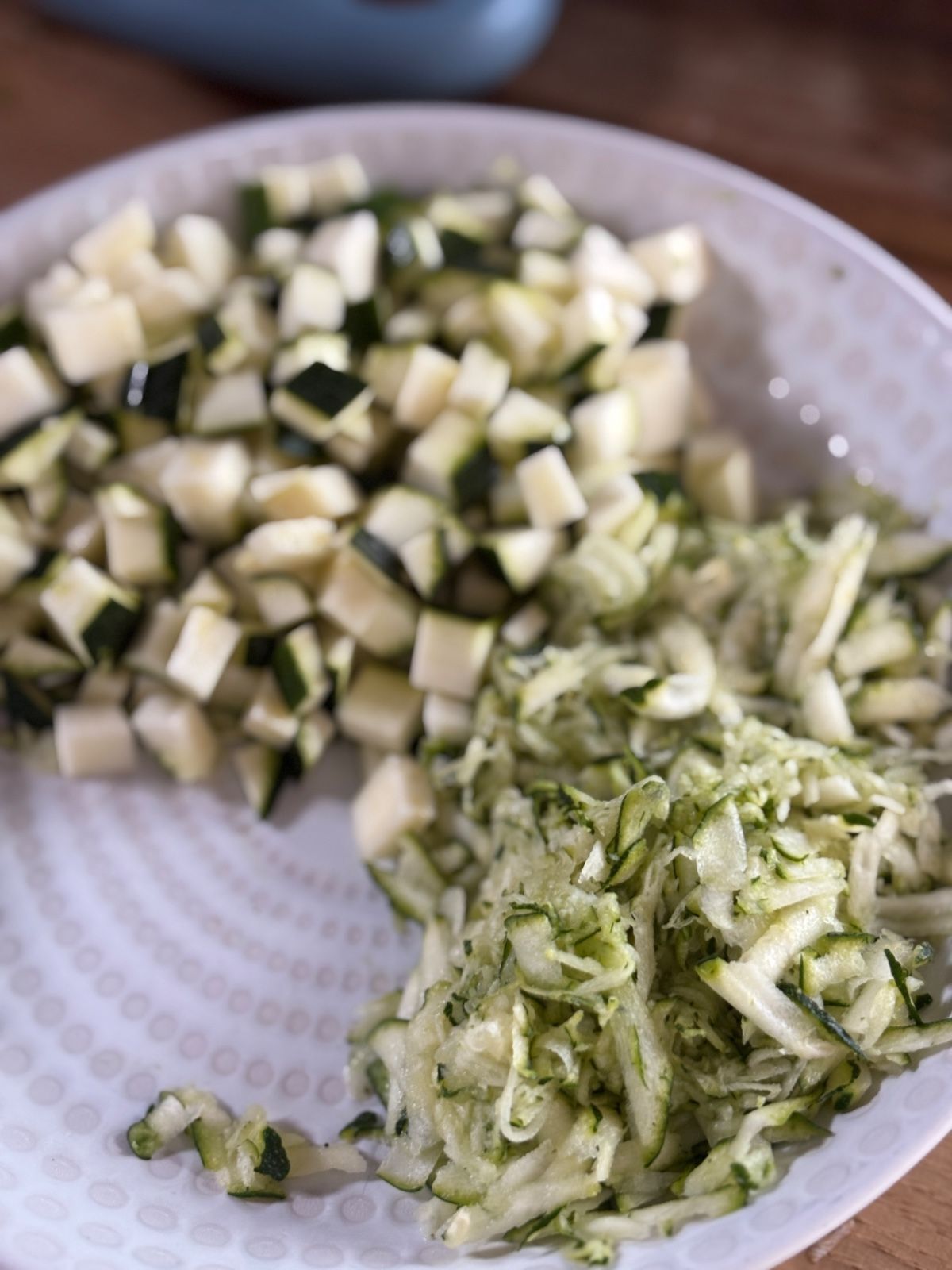
- Grate half the courgette, dice the other half
- Finely chop onion (if using)
2. Start the base
- Heat a splash of olive oil + small knob of butter
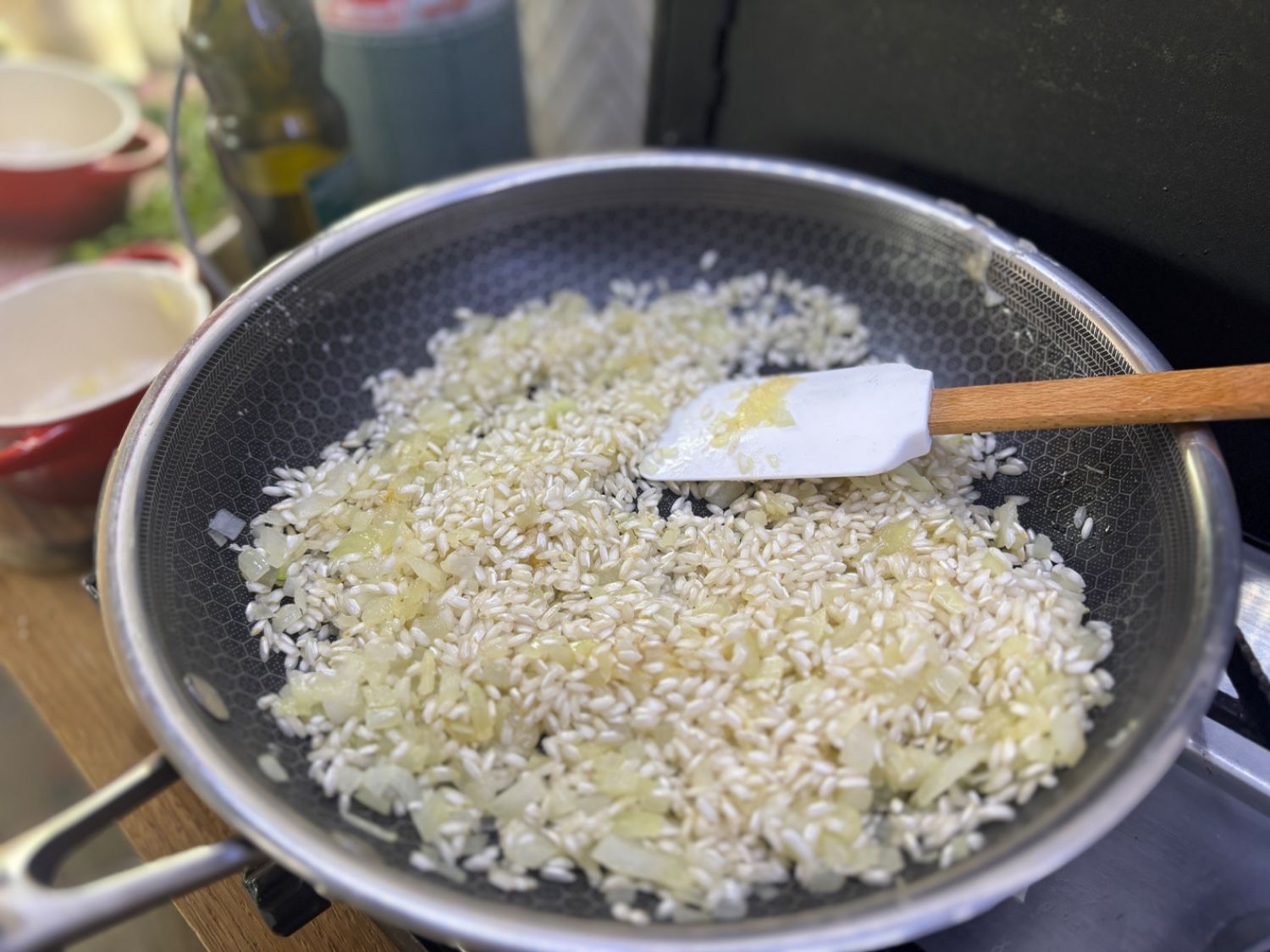
- Gently soften the onion (don’t brown)
3. Toast the rice
- Add rice, stir for 1–2 mins until slightly translucent
4. Build the risotto
- Add a ladle of hot stock, stir
- Keep adding stock gradually as it absorbs
- Stir regularly (not constantly, just don’t leave it)
5. Add courgette
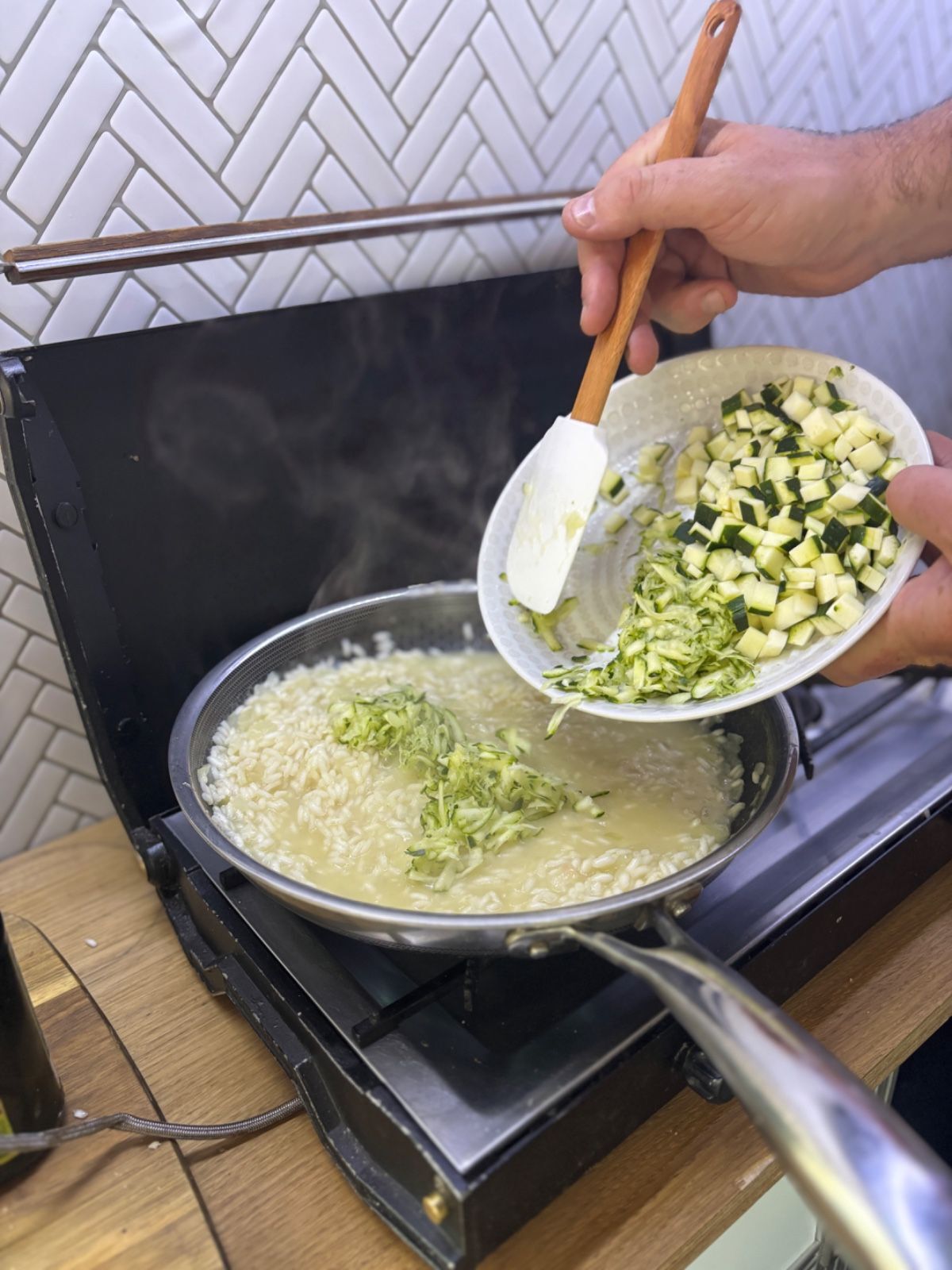
- Stir in grated courgette halfway through
- Add diced courgette near the end for texture
6. Finish (CRUCIAL STEP)
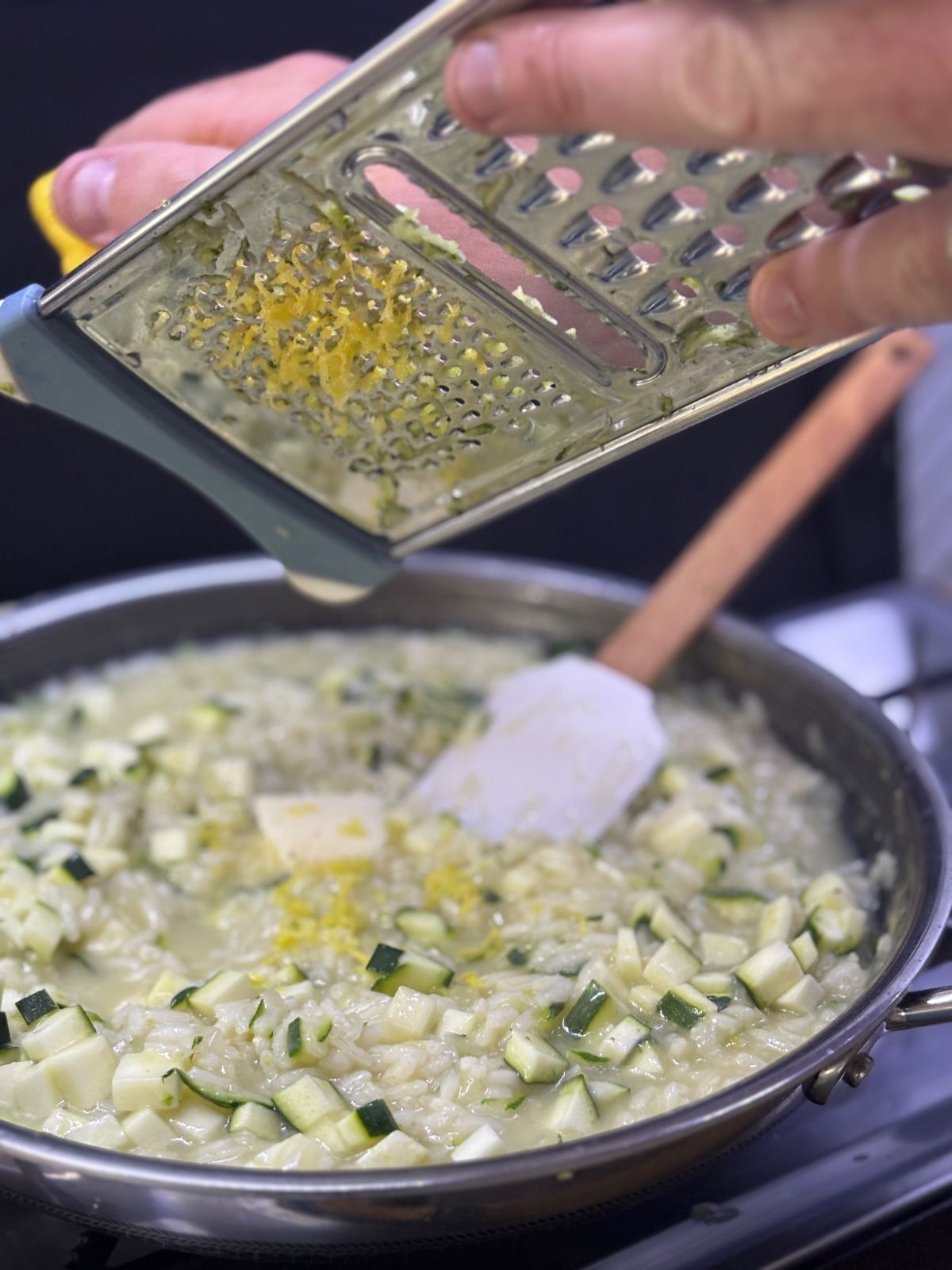
- Take off heat
- Stir in:
- Butter
- Parmesan
- Lemon zest
- Small squeeze of lemon juice
7. Season & serve
- Taste, adjust salt & pepper
- Finish with herbs or pine nuts if using
Time
25–30 minutes
ChefCampers Tips
- Don’t rush the stock, this is where creaminess comes from
- Kill the heat before adding cheese and butter (keeps it silky)
- Lemon should lift, not dominate.
Subscribe to our newsletter and get the latest articles delivered straight to your inbox.

Food is the World’s currency Living in a van for the past eight years has taught me plenty. I've...
When you are staring at a motorhome forecourt, it is easy to get swept up in the layout, the...
Warm Nights, Safe Nights There’s nothing quite like the feeling of being tucked up in your...

