.jpg?width=26&height=26&name=image%20(27).jpg)

Hello again, my intrepid road-trippers! Siobhan here, back with the third instalment of our epic...
.png?width=26&height=26&name=facebookmobile%20(Custom).png)
.png?width=26&height=26&name=instgrammobile%20(Custom).png)
.png?width=26&height=26&name=twittermobile%20(Custom).png)
.jpg?width=26&height=26&name=image%20(28).jpg)


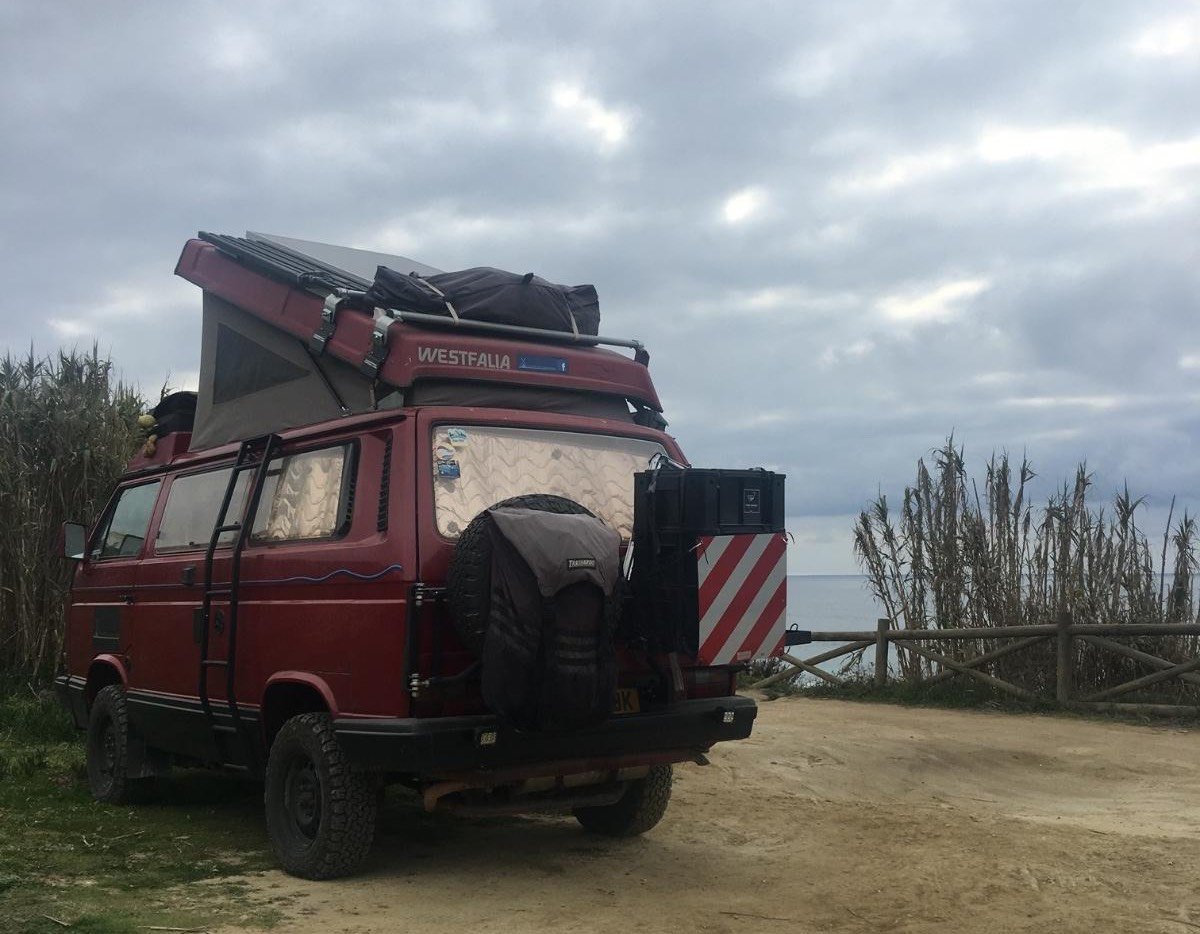
Living in a van for the past eight years has taught me plenty. I've battled the relentless winds of the Arctic Circle, searched for work to keep fuel in the tank and learnt that sometimes the best campsite is simply the one you find before dark.
Most problems on the road have a solution. If something breaks, you fix it. If you run out of water, you fill up. If the weather turns, you adapt.
The one thing I've never really mastered is language.
I've always struggled to remember names and pick up new languages. Logic will usually get me through most situations, but language has a habit of reminding you that you're a guest in someone else's home.
Thankfully, I somehow found a profession where none of that really matters.
Food is a universal language.
It's also a universal currency.
Everyone has to eat. More importantly, everyone has a story behind the food they love. Ask a chef about a favourite recipe and suddenly hands start moving, smiles appear and conversations become wonderfully animated. You don't need perfect grammar to recognise passion.
Sharing food is my way of saying, "You're welcome here."
Accepting it is someone else's way of saying exactly the same thing.
Looking back, most of my favourite travel stories haven't started with a famous landmark. They've started with a chopping board.
Whether I'm rolling fresh pasta outside the van in Italy or stirring a slow-cooked mirepoix in a French aire, someone usually wanders over. Sometimes they're curious. Sometimes they're hungry. Sometimes they simply want to know what smells so good.
A small plate of food or a glass of wine has opened more conversations than any phrasebook ever has.
Portugal was no different.
After six weeks travelling through the country, I still couldn't string together much more than a polite greeting. My limited Spanish wasn't helping either, the Portuguese language sounds very different and took me by surprise.
One afternoon, parked on a beach west of Lisbon, I shared a bottle of lightly sparkling Vinho Verde with a local who had wandered over while I was cooking. Before leaving, he smiled, pointed towards the village and gestured that he'd be back.
Twenty minutes later he returned.
This time he wasn't alone.
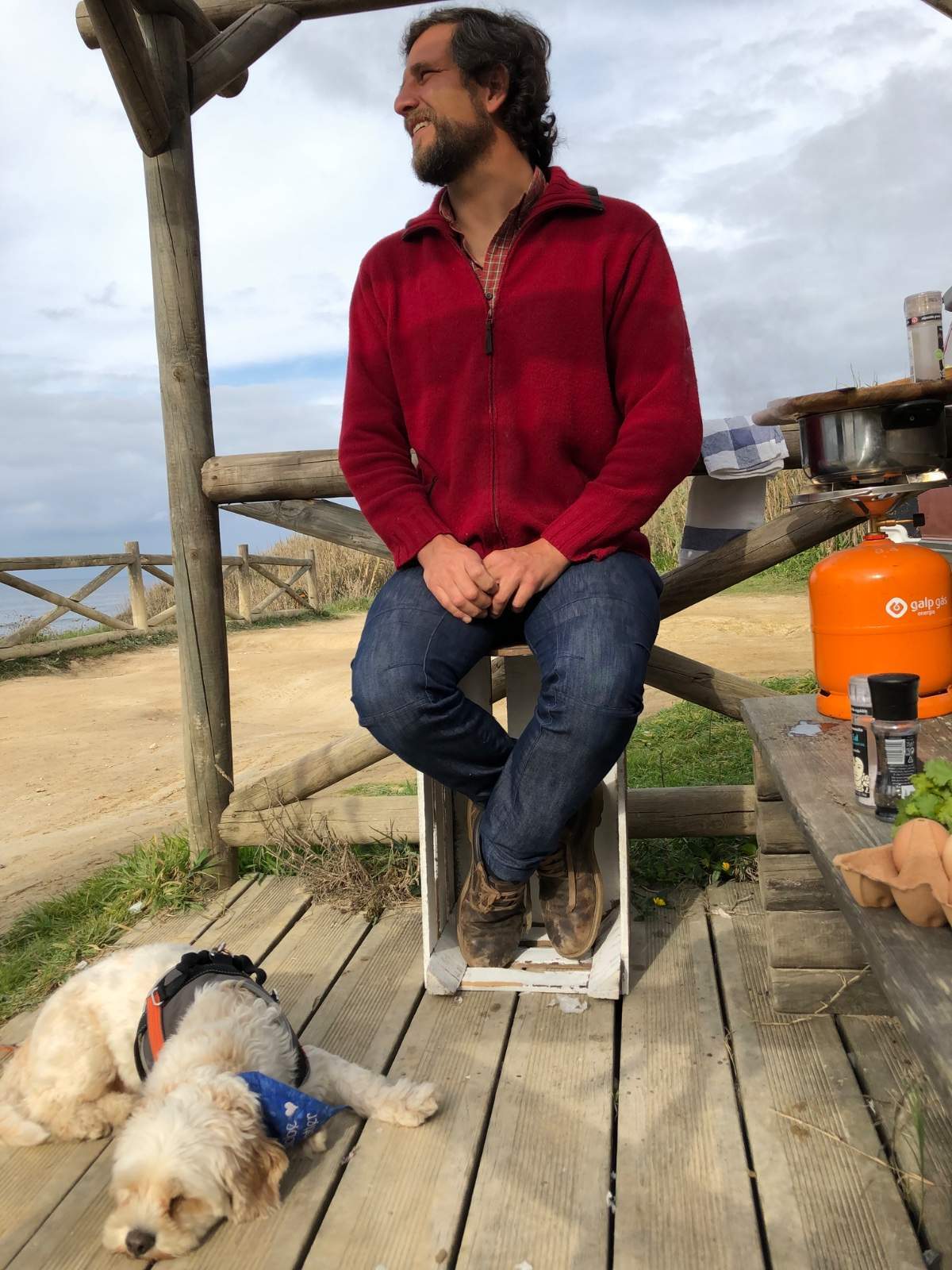
Standing beside him was a chef called Sebastian, wearing the same slightly confused expression that I probably was.
We introduced ourselves and quickly realised we'd lived surprisingly similar lives. Sebastian worked as a private chef in Lisbon. I told him about cooking in ski chalets in the French Alps. He laughed and joked that the snow wasn't particularly reliable in Portugal.
I reminded him that Portugal actually has its own ski resort in the Serra da Estrela mountains.
He looked genuinely surprised.
It broke the ice immediately.
Like all chefs eventually do, we found ourselves talking about food.
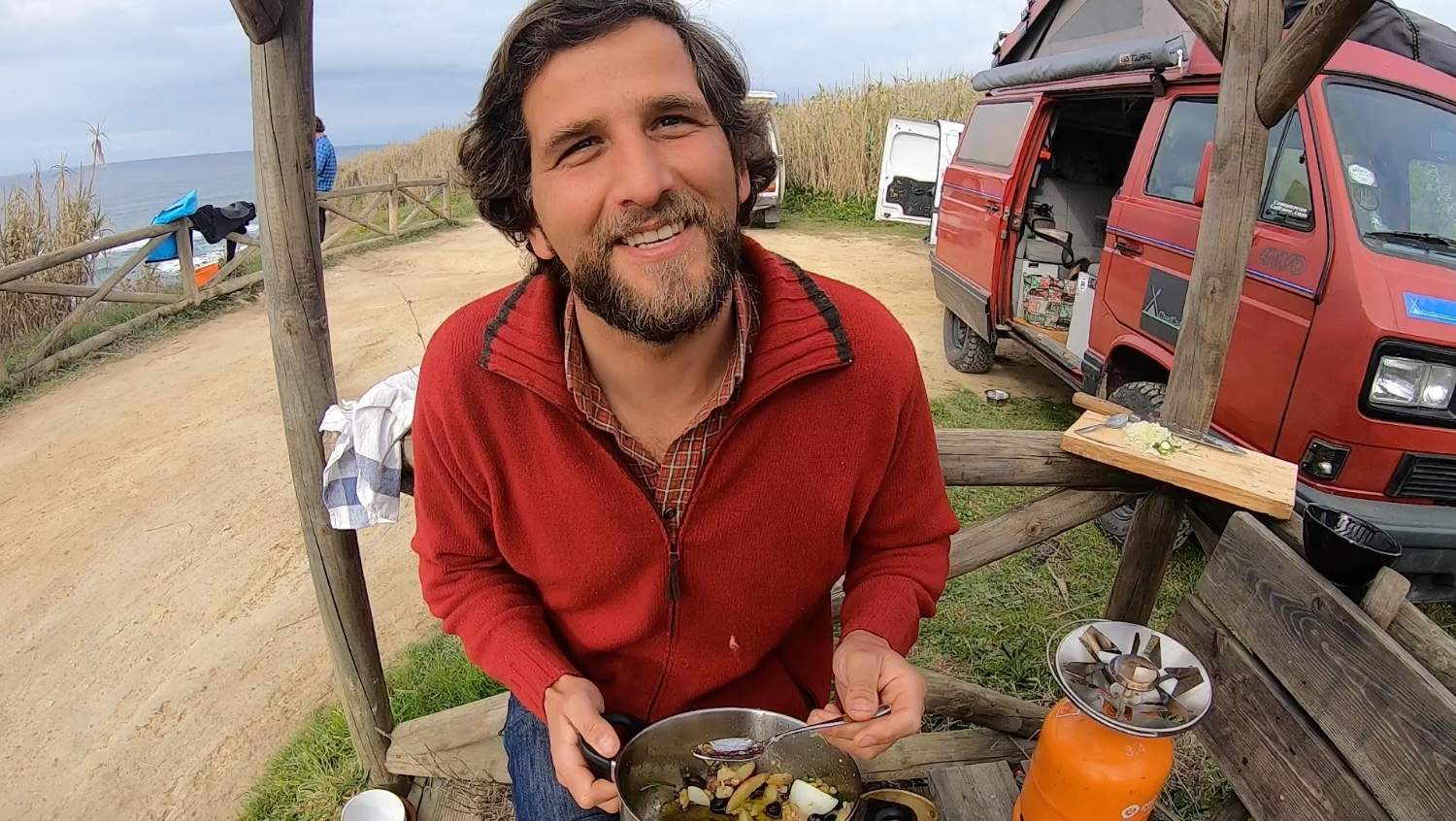
He asked what I'd enjoyed most in Portugal.
I mentioned the incredible fish markets around Olhão, the simplicity of Caldo Verde and how I'd deliberately avoided mentioning Nando's.
He laughed.
Then he asked me something I wasn't expecting.
"What do you know about tempura?"
I looked at him, slightly puzzled.
"Japanese," I replied confidently.
He smiled, turned towards the Atlantic and pointed out to sea.
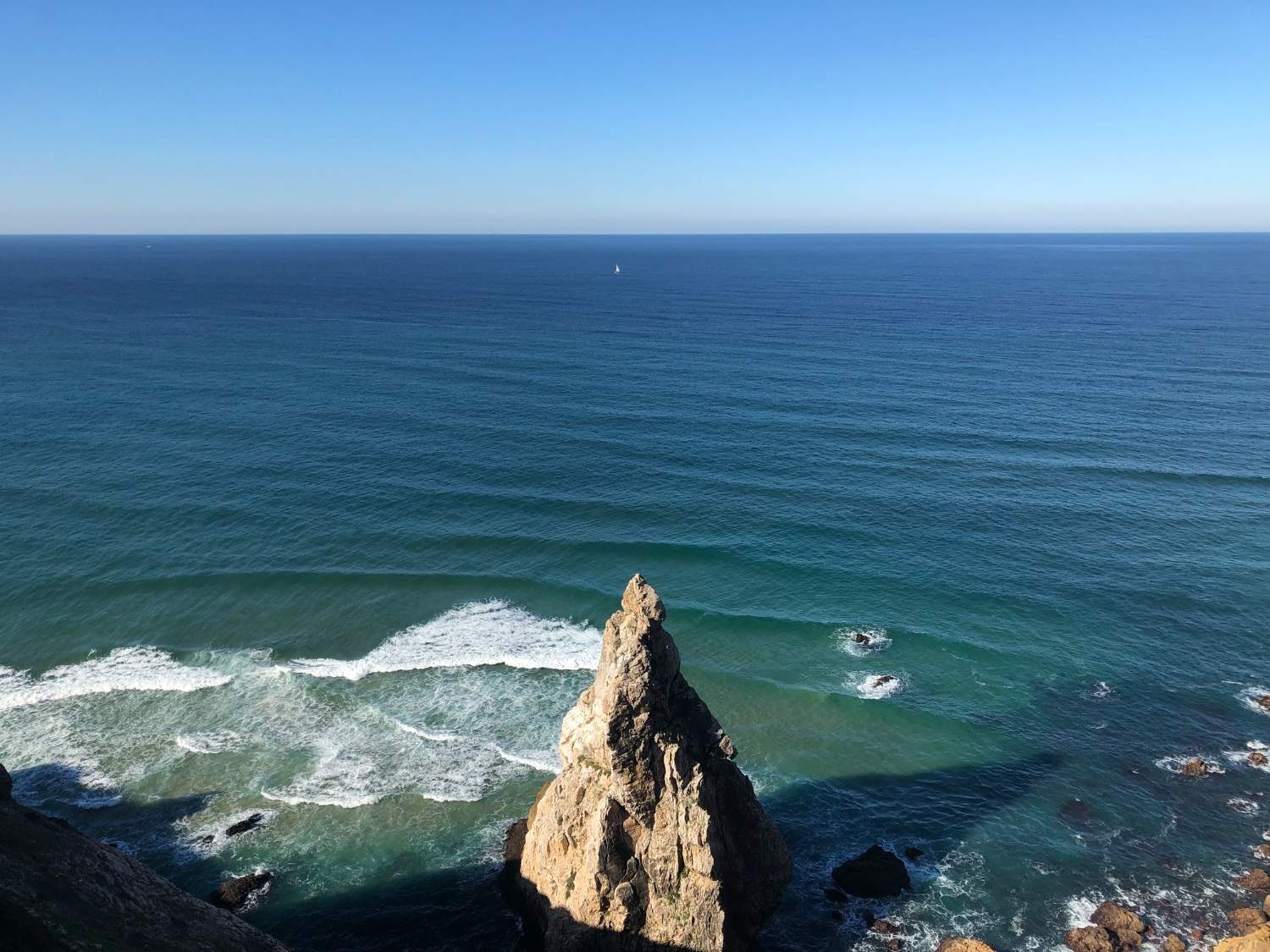
Those waters once carried some of the greatest explorers the world has ever known. During the 15th and 16th centuries, Portugal became one of history's great maritime powers. Its ships rounded Africa, reached India and eventually arrived in Japan. They returned carrying spices, stories and ingredients that would change European cooking forever. I had never considered Portugal a powerhouse of European cooking, but travel is what has caused many of the modern day recipes we know today. Ingredients change borders and develop into new cuisines. We are so focused on keeping tradition, we often forget tradition had to be invented with something new. Modern cruising is starting to gather that now and I find my travel help me incorporate dishes and ingredients from around the World.
However, we don’t always take. We sometimes give or share our ingredients and techniques.
Sebastian explained that many historians believe Portuguese missionaries introduced a simple technique of coating fish and vegetables in batter before frying them. Over time, Japanese cooks refined that idea into the light, delicate tempura we know today.
"It isn't Portuguese anymore," he smiled.
"The Japanese perfected it. But perhaps Portugal planted the seed."
Standing there on a Portuguese beach, that thought stayed with me.
Recipes don't really belong to countries.
They belong to people.
They travel. They evolve. They borrow ideas from one another until they become something entirely new.
If tempura is one of Portugal's quiet gifts to the world, then bacalhau is Portugal's core. Bacalhau, is cod in Portugal. Often Salted and dried. Found in many supermarkets and now used all over the World, especially in the Caribbean.
Despite having very little cod in its own waters, Portugal built an entire culinary identity around salted cod. For centuries its fishing fleets sailed across the North Atlantic to the Grand Banks of Newfoundland before preserving their catch with salt for the long journey home.
Today it's said there are more than 365 ways to cook bacalhau, one for every day of the year. He brought along a book to showcase this.
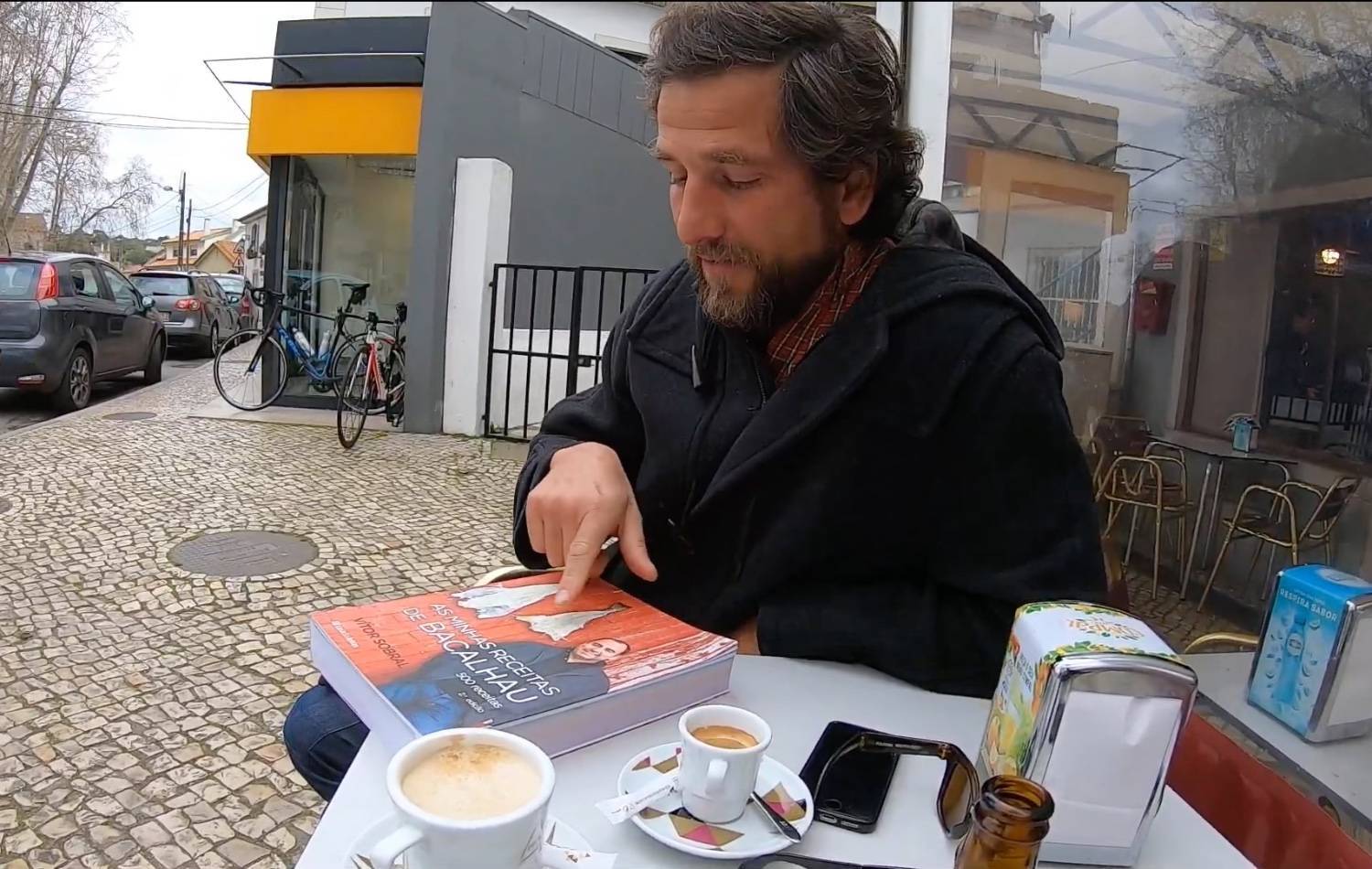
It's a measure of just how deeply one ingredient can become woven into a nation's identity.
Sebastian had an idea.
Why not combine both stories?
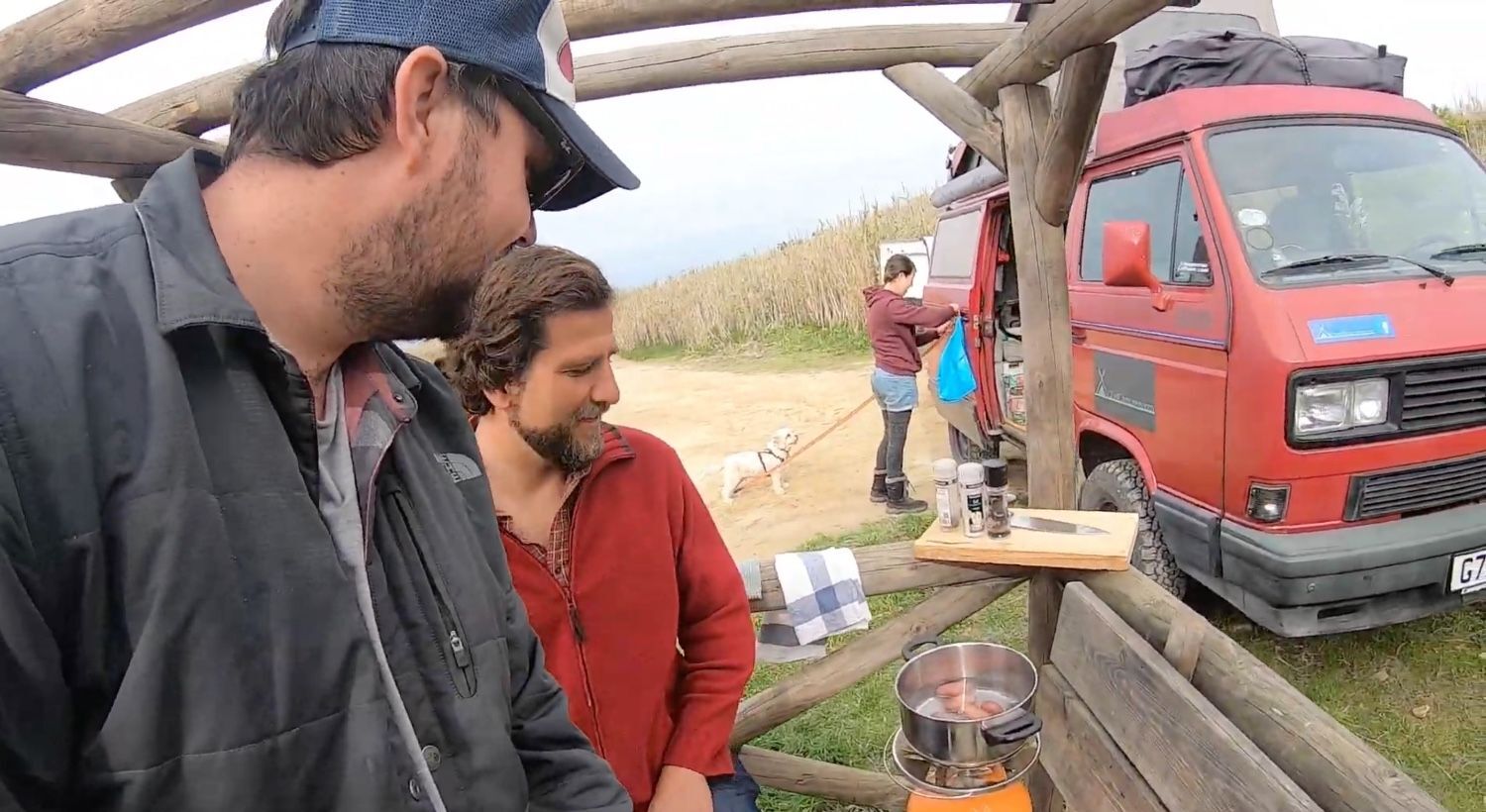
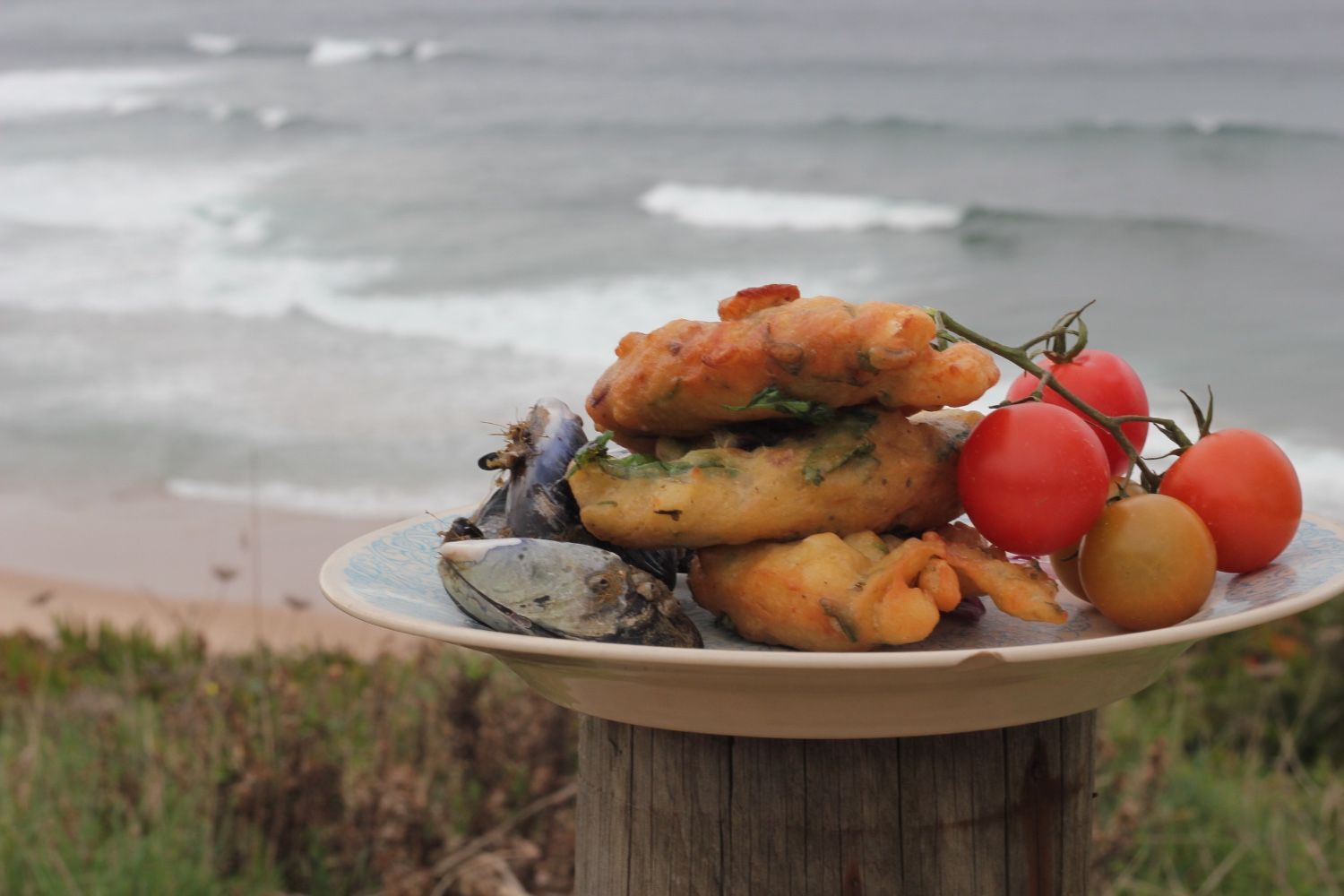
Fresh Atlantic cod. A delicate tempura batter. Fried until crisp and golden on a beach overlooking the same ocean that once carried Portuguese ships towards Japan.
It felt fitting.
Two chefs.
Two different first languages.
One conversation.
No dictionaries.
No awkward pauses.
Good food.
The campervan got me to Portugal.
Food allowed me to experience it.
Sometimes the best souvenirs aren't the things you squeeze into an overhead locker or store beneath your bed.
Sometimes they're techniques, stories and friendships that travel home with you.
This recipe is one of them.
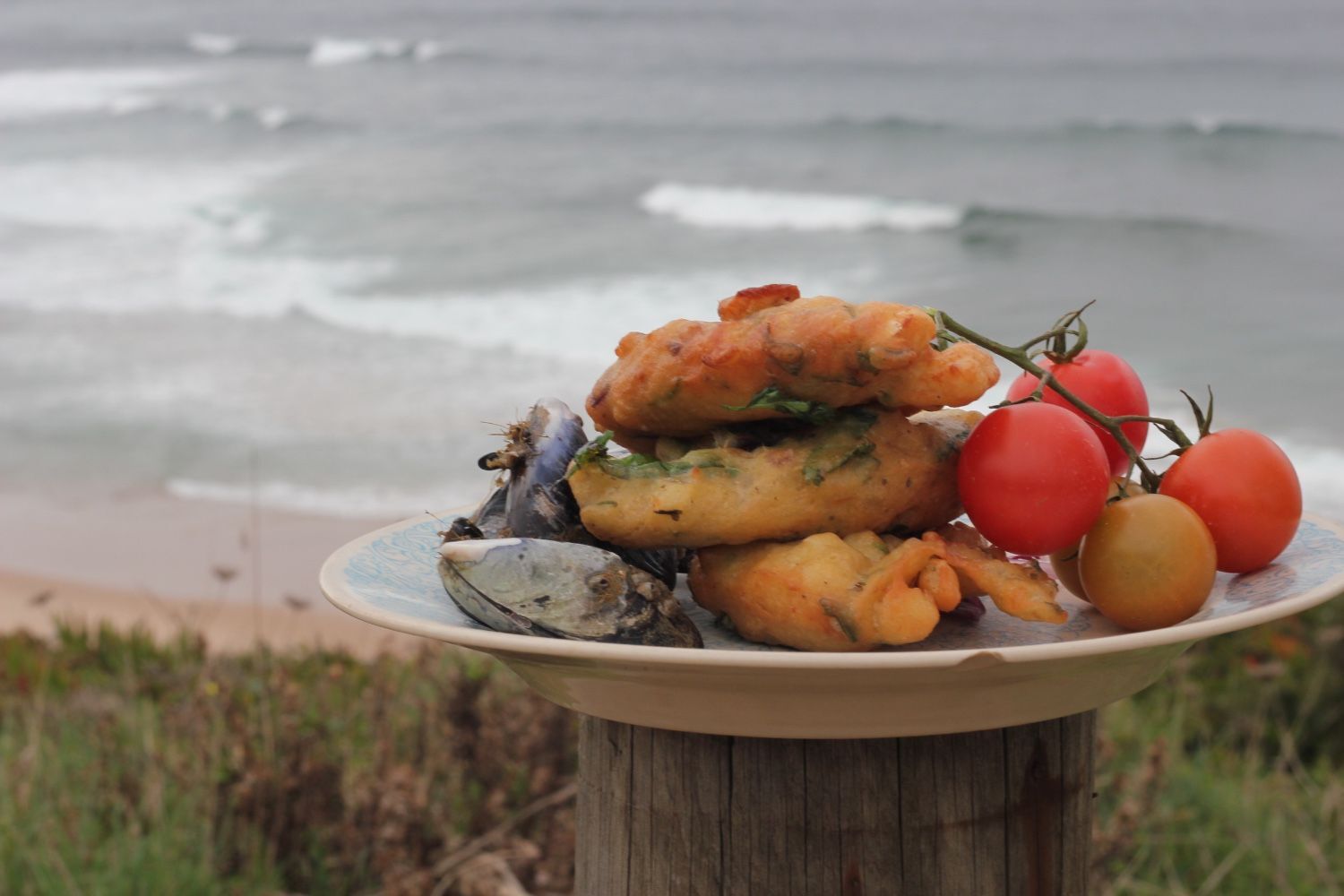
For the cod
For the batter
To cook
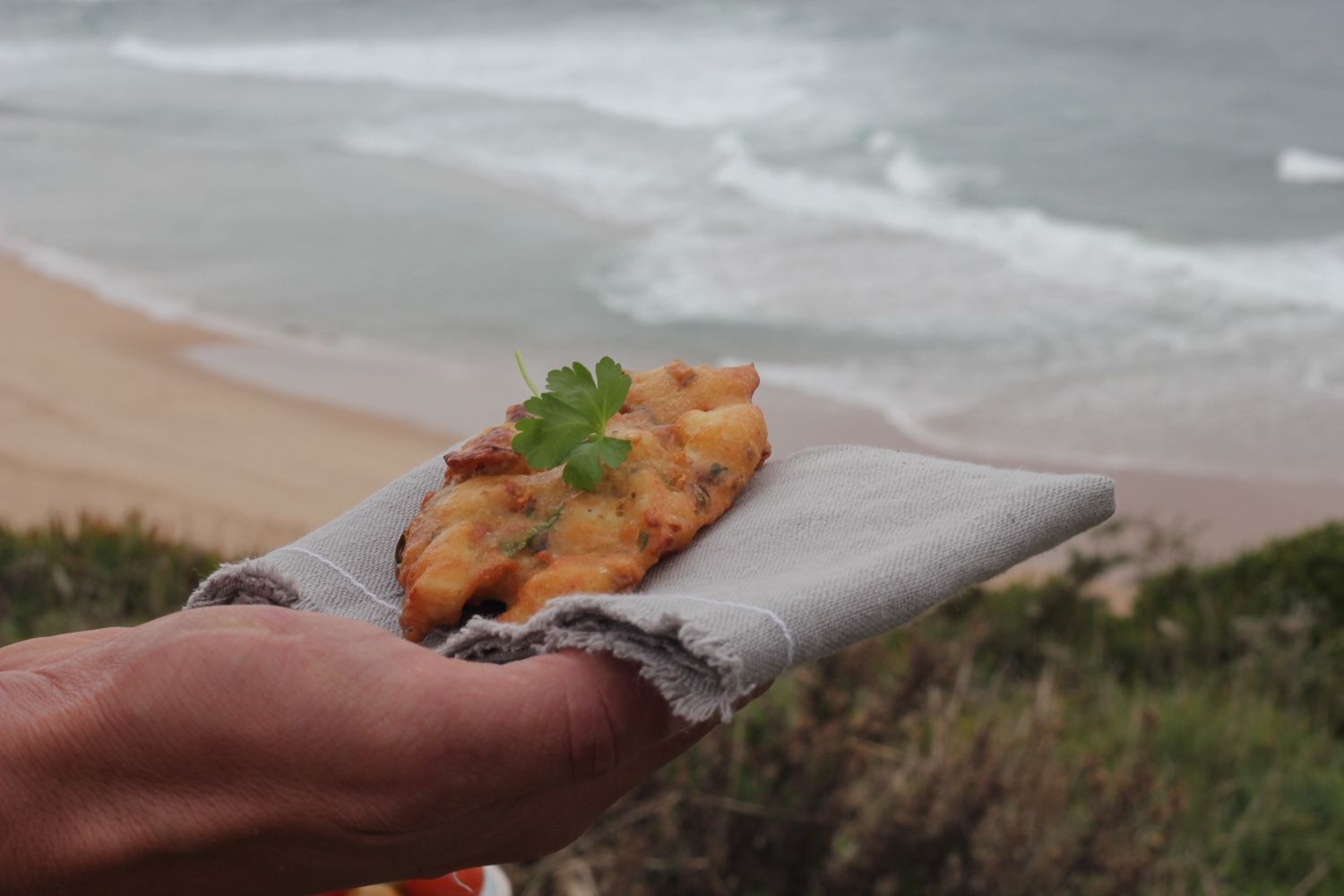
Recipe Credit: Chef Sebastio - Lisbon, Portugal
Subscribe to our newsletter and get the latest articles delivered straight to your inbox.

Hello again, my intrepid road-trippers! Siobhan here, back with the third instalment of our epic...
Campervan Cooking Adventures - Michael from @ChefCampers