






You have parked up, switched on the heating and put the kettle on. Then the power goes off and your plans for a comfortable cup of tea come to an abrupt halt.
If your motorhome electric hook up keeps tripping, the first question is whether you are asking the supply to deliver too much power or whether a safety device has detected a possible fault. One may be solved by switching an appliance off, while the other needs investigating.
Where has the power tripped?
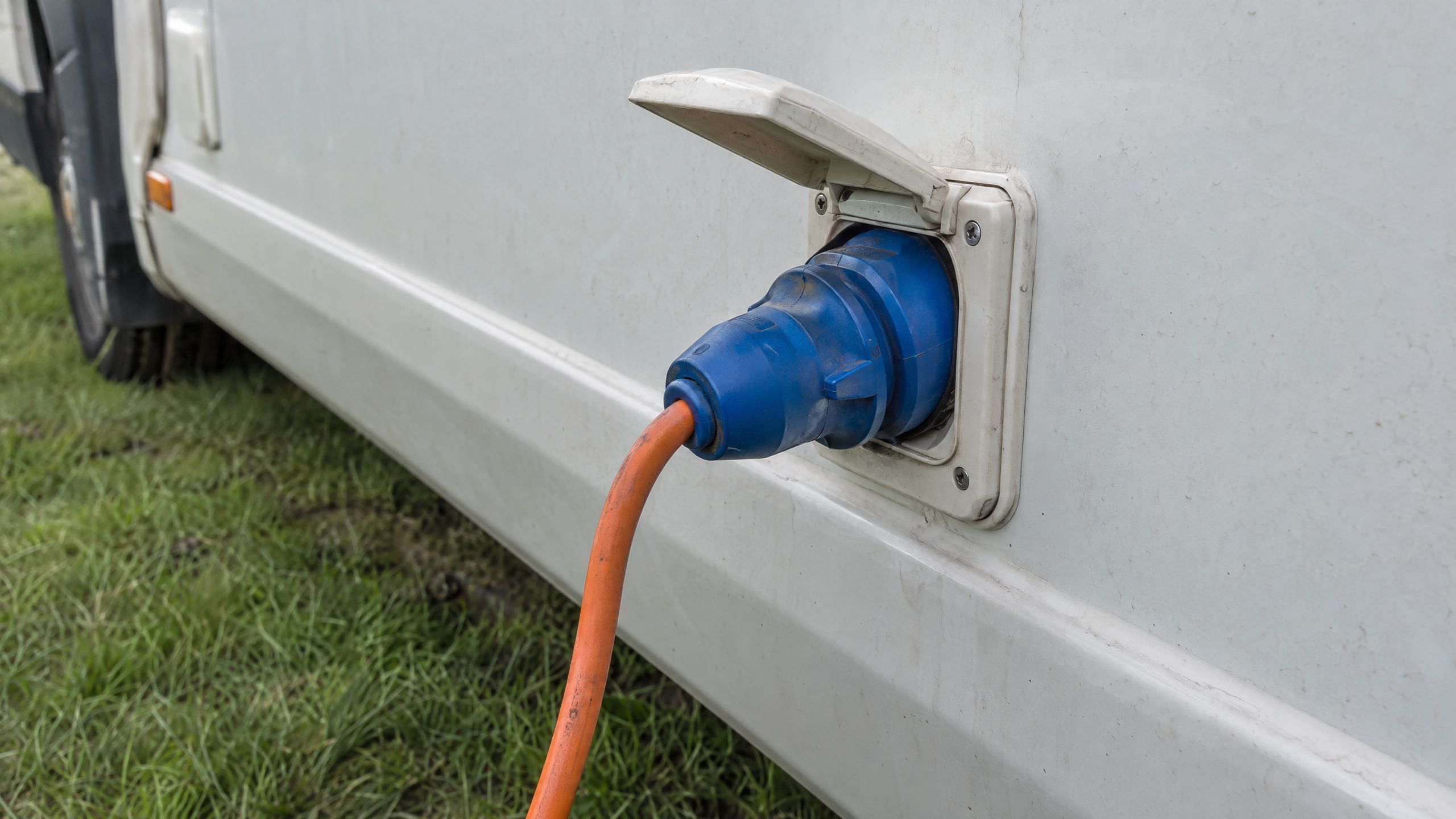
Start by finding out whether the trip has happened at the campsite bollard or inside your motorhome. Your vehicle will usually have a consumer unit containing its own electrical protection devices, while the campsite supply has protection too.
You can look at the switches and their labels without removing any covers or touching wiring. If the campsite bollard has tripped, let the site staff know and follow their instructions rather than trying to deal with their equipment yourself.
It is also possible for both the bollard and motorhome protection to trip. The location provides a useful clue, but it does not prove where the problem is.
What is the difference between an MCB and an RCD?
An MCB, or miniature circuit breaker, is designed to protect a circuit from too much current. It can trip because you are using too many appliances at once, although a short circuit can also cause it to operate.
An RCD, or residual current device, looks for an imbalance in the electrical current that can indicate electricity is leaking from the intended circuit. That might be caused by a damaged cable, an appliance fault or moisture where it should not be.
Some motorhomes have a device called an RCBO, which combines both types of protection. If that trips, you cannot tell from the device alone whether it was an overload or an electrical fault. Check your handbook if you are unsure which devices are fitted.
Could you be using too much electricity?
Campsite supplies have limits, and they are not always as generous as the supply at home. Some pitches provide 16 amps, some provide 10 amps and others offer less. Ask the site if you are not sure what your pitch provides.
At a nominal 230 volts, the approximate maximum power available from the pitch is:
- 6 amps: 1,380 watts
- 10 amps: 2,300 watts
- 16 amps: 3,680 watts
These are useful figures, but they do not guarantee that every circuit inside your motorhome can handle that much power. A socket circuit may have its own lower rated breaker, even when the pitch provides 16 amps. The Camping and Caravanning Club explains how campsite supply limits work.
The kettle and heater problem
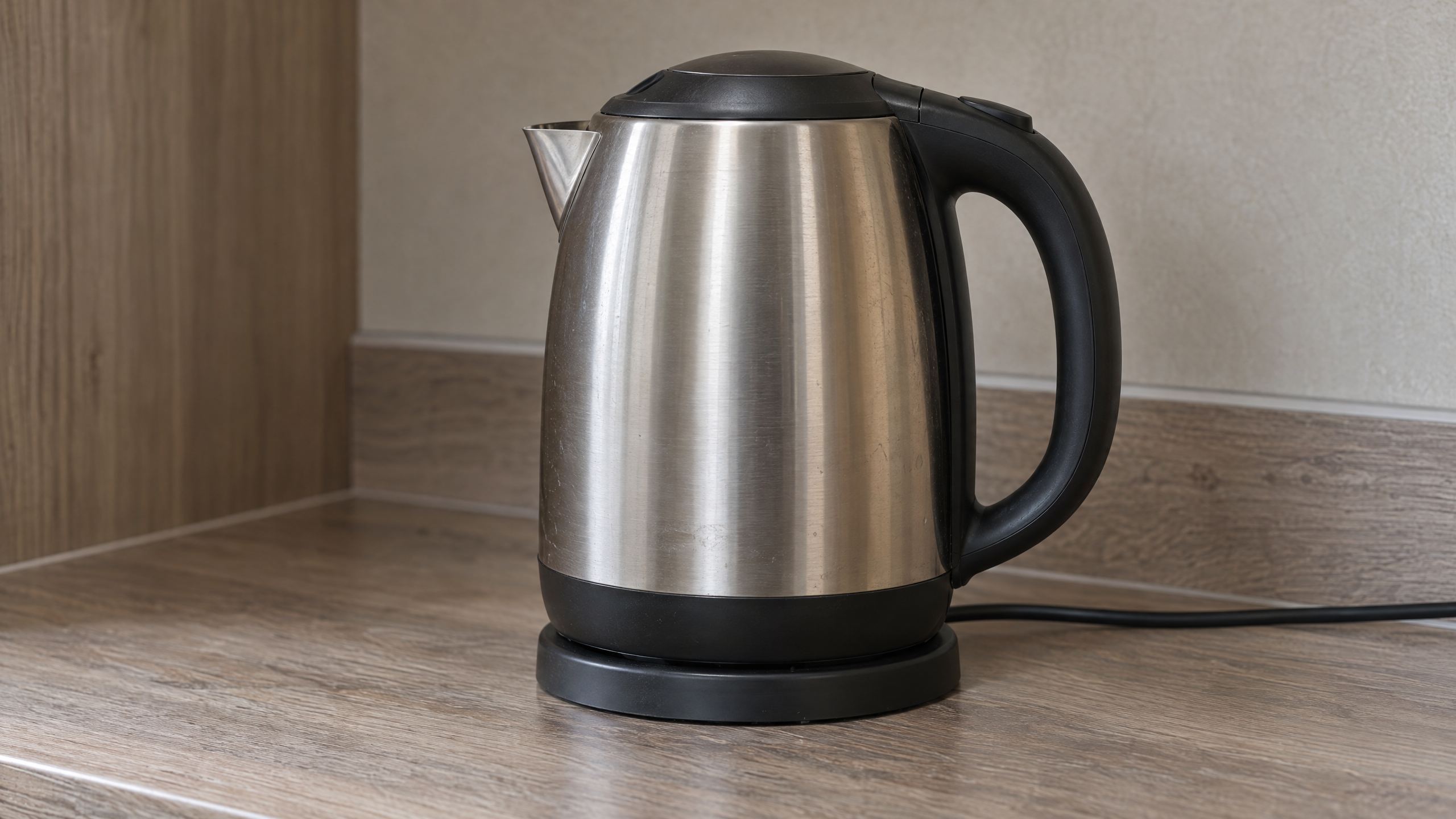
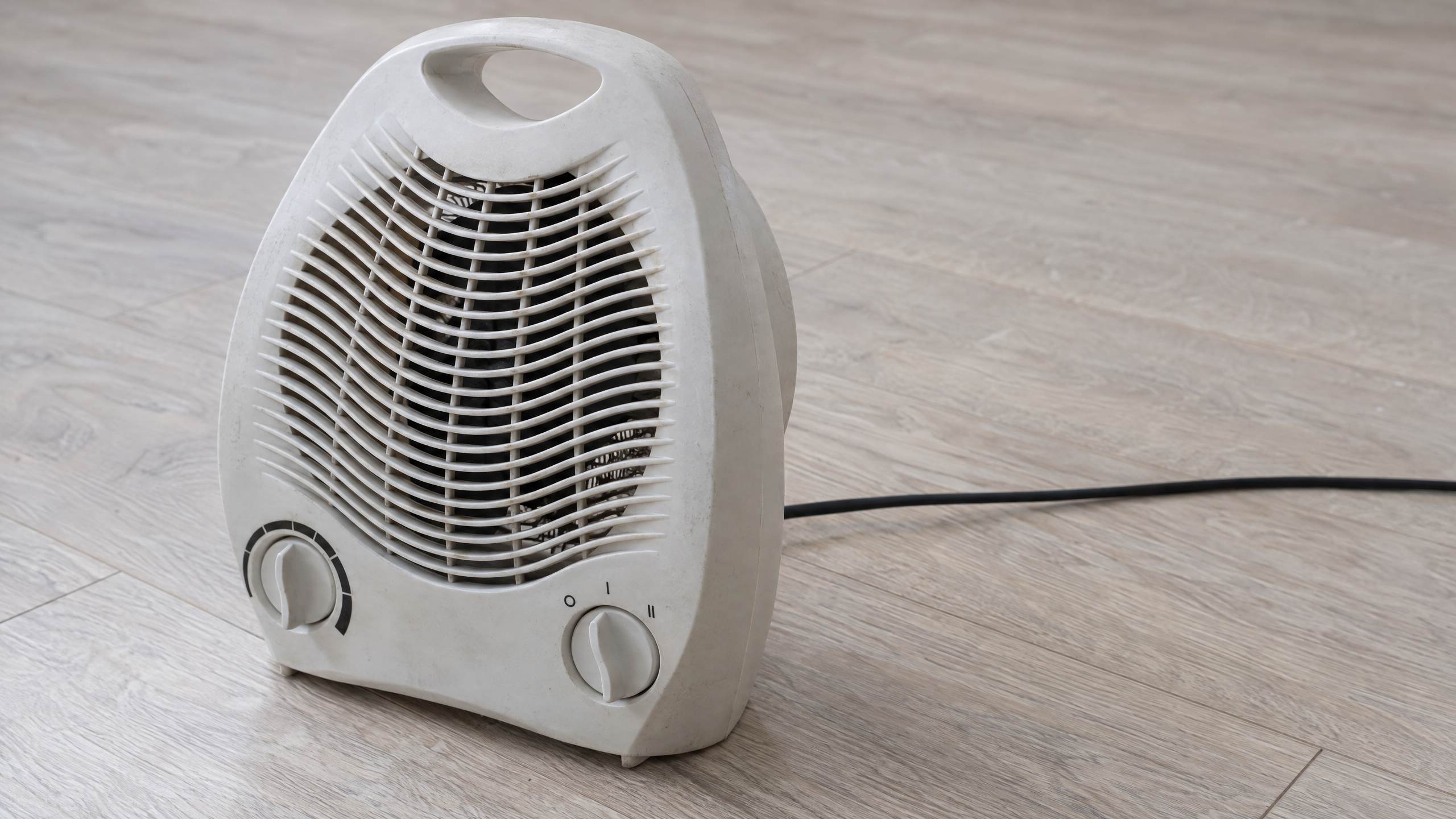
Imagine you are on a 10 amp pitch. Your electric heater is using 2,000 watts, and you switch on a 1,000 watt kettle.
Together they are asking for 3,000 watts, or roughly 13 amps at 230 volts. That is over the nominal 10 amp supply limit, even before allowing for anything else running in the motorhome. The breaker may trip straight away or after a delay.
The fridge, water heater and leisure battery charger can all add to the total when they are using mains electricity. Some switch on automatically, so they are easy to forget when you are adding up what is running.
How to avoid overloading the supply
Check the rating label on each appliance and consider what might be running at the same time. A lower wattage kettle can help, as can turning the electric heating down or off while you make a hot drink.
Be careful with microwave figures. The cooking power advertised on the front is not necessarily the same as the electrical input, so check the rating plate or handbook when calculating the load.
If a clearly labelled circuit breaker has tripped while several appliances were running, switch some of them off. Once the load is reduced, the breaker can be reset once if it is safe to do so. Ask campsite staff to handle the bollard if that is where it tripped.
If it trips again, or you cannot tell which device has operated, stop using the hook up and ask for help. Do not keep resetting it in the hope that it will eventually stay on.
What if the RCD trips?
An RCD trip is not simply a sign that the kettle and heater are using too many watts. It responds to an imbalance in the circuit, which can be caused by an electrical fault.
The problem could be in a portable appliance, the hook up cable, the motorhome inlet or equipment inside the vehicle. Moisture or damage may be involved, but the trip alone cannot tell you exactly what is wrong.
If the RCD trips unexpectedly, particularly if it happens again or as soon as the supply is connected, stop using the hook up. Tell the site staff and arrange for a suitably qualified electrician or motorhome technician to investigate. Do not bypass the RCD or keep switching it back on.
Check the hook up cable safely
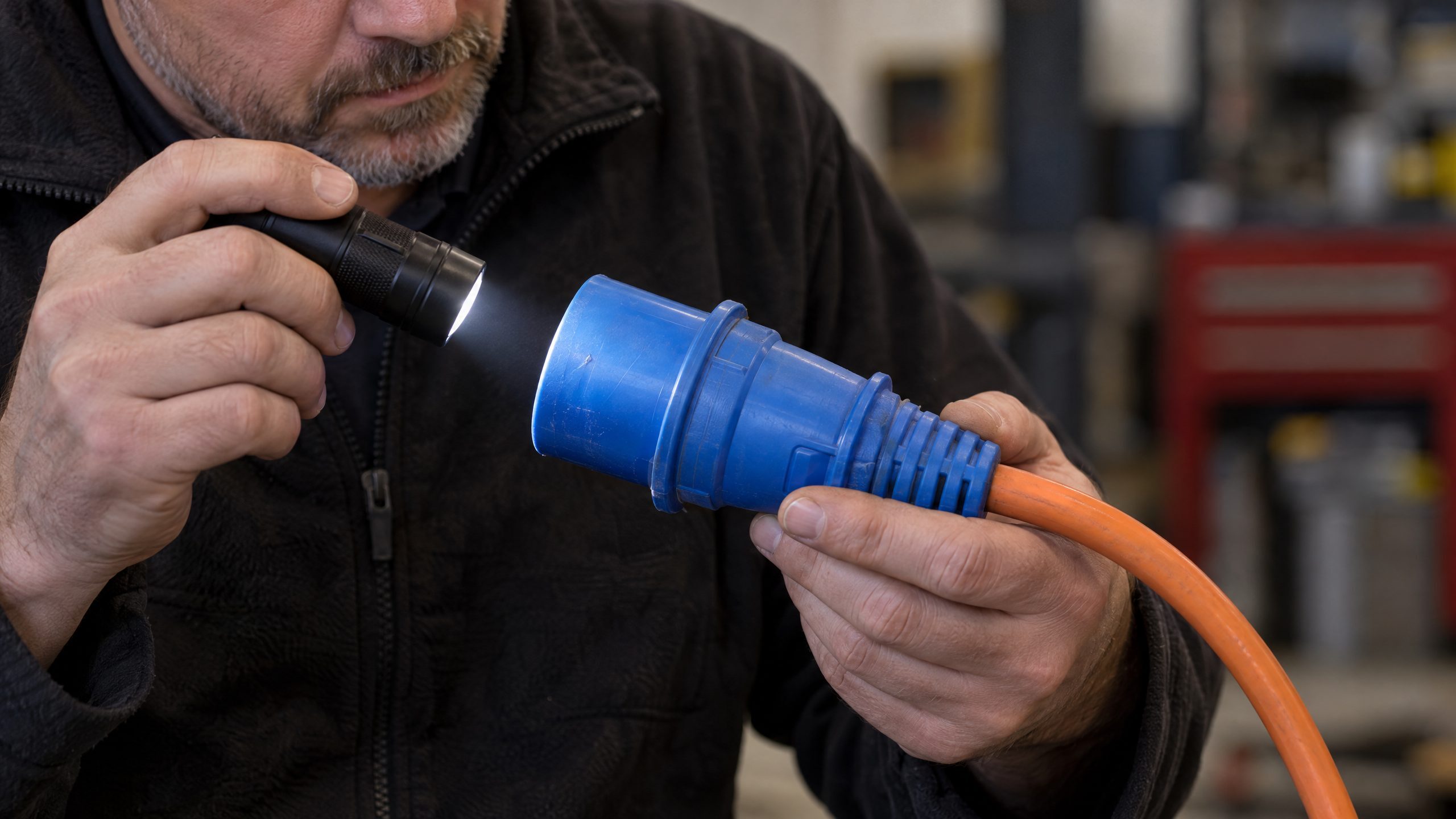
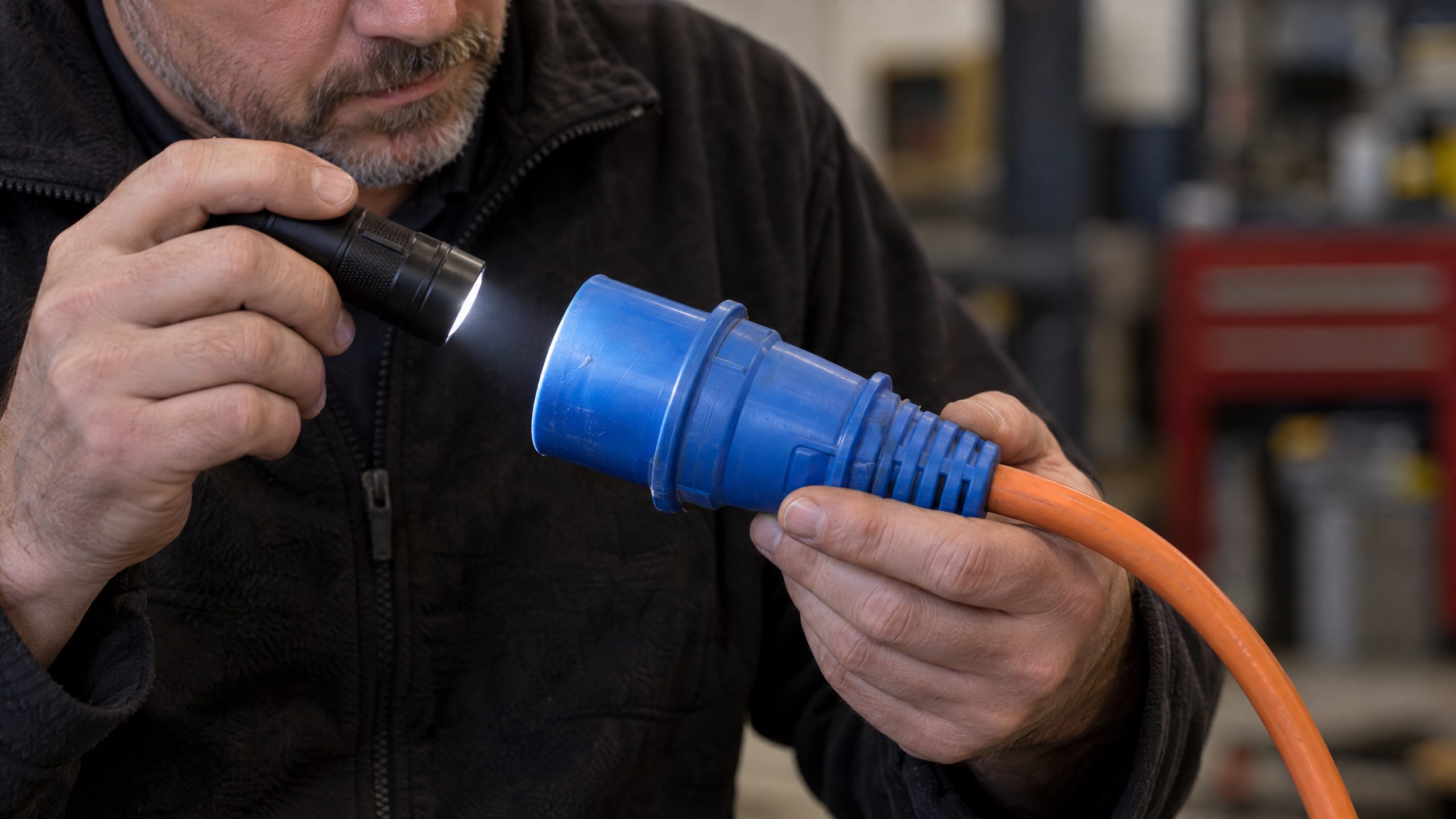
A damaged cable is not something to patch up with tape and forget about. Look for cuts, crushed sections, damage around the plugs, scorch marks and signs that the insulation has deteriorated.
Only inspect the cable closely once the supply has been safely disconnected. If a connector appears damaged, wet inside, hot or scorched, do not handle it. Keep clear and ask campsite staff for help making the supply safe.
When your cable is in good condition and properly connected, make sure it is fully unwound for use. A cable left wound on a reel can overheat. The London Fire Brigade also advises fully unwinding cable reels.
Can one appliance cause the trip?
Yes. If the power repeatedly goes off when a particular appliance is switched on, that is useful information to pass to an electrician. It does not necessarily mean the appliance itself is faulty, though. It could also be the extra load that takes an already busy circuit over its limit.
If the trip is unexplained, involves an RCD or keeps happening, do not repeatedly switch appliances on and off to try to recreate it. Leave the suspect appliance unused and have the system checked.
Should you test the RCD?
The RCD test button is there to check that the device operates. Under normal, safe conditions, follow your motorhome handbook and press the test button at the recommended intervals. The RCD should trip and can then be reset as instructed.
If it does not trip when tested, stop using the mains supply and have it checked by a suitably qualified person. A successful button test is useful, but it does not prove that every cable, appliance and connection is safe. The Health and Safety Executive recommends regular RCD testing.
Do not use the test button as a way to investigate a suspected fault. If there is smoke, a burning smell, sparking, unusual heat or a damaged connection, keep clear and contact campsite staff immediately.
When should you call an expert?
A single breaker trip after the kettle and heater were running together may be straightforward to explain. Repeated trips, an unexplained RCD trip or a cable that shows signs of damage are different matters.
A qualified electrician or motorhome technician can carry out the appropriate tests on the installation and equipment. Give them as much information as you can: which device tripped, what was running and whether the problem appeared at more than one campsite.
The practical rule is simple: reduce the load if an overload is obvious, but stop and get help if the trip is unexplained or happens again. The safety device is doing its job, so let a professional find out why.