.png?width=26&height=26&name=facebookmobile%20(Custom).png)
.png?width=26&height=26&name=instgrammobile%20(Custom).png)
.png?width=26&height=26&name=twittermobile%20(Custom).png)
.jpg?width=26&height=26&name=image%20(28).jpg)

.jpg?width=26&height=26&name=image%20(27).jpg)

We’ve lived full-time in our camper since 2018, and if there’s one thing we’ve learned, it’s that travelling indefinitely doesn’t mean moving indefinitely.
There’s a version of vanlife that looks like endless open roads, mountain passes and mornings parked beside the sea. And sometimes, it really is like that. But if you want to live this way for years rather than weeks, there’s another side to it too.
You have to pay for it in a sustainable way.
Fuel needs buying, food needs putting in the cupboards and, particularly when you drive an old camper, there always seems to be another mechanical job waiting around the corner.
So over the years, we’ve fallen into a rhythm that works for us. We travel, stop, work, save, then travel again. We use the time when travelling to pursue new projects that might work towards a longer vision. Maybe a cook book, learn how to code and build an app or even get involved with some more private chef work.
Our seasonal work gives us funds to do this. Working for a few months can make a massive difference to how you approach vanlife. Having the reasurance that you can earn a few months of travel funds in an equal amount of time. 5-6 months of work can usually pay for the rest of the year!
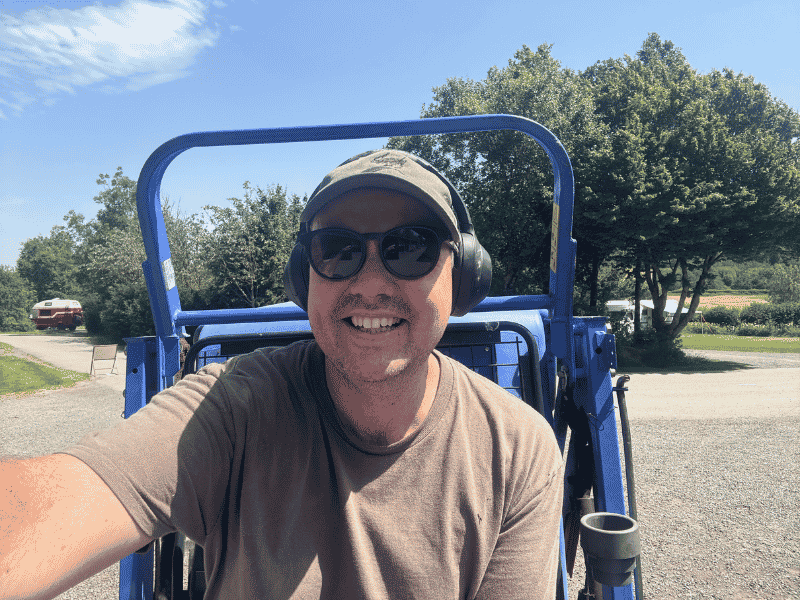
For a few months, the van that normally carries us from place to place has barely moved. Our fuel bills begin to plummet and we don’t spend any time looking for places to stay
On paper, that probably sounds like exactly the opposite of why you would choose to live in a camper.
But oddly enough, it’s one of the things that allows us to keep doing it.
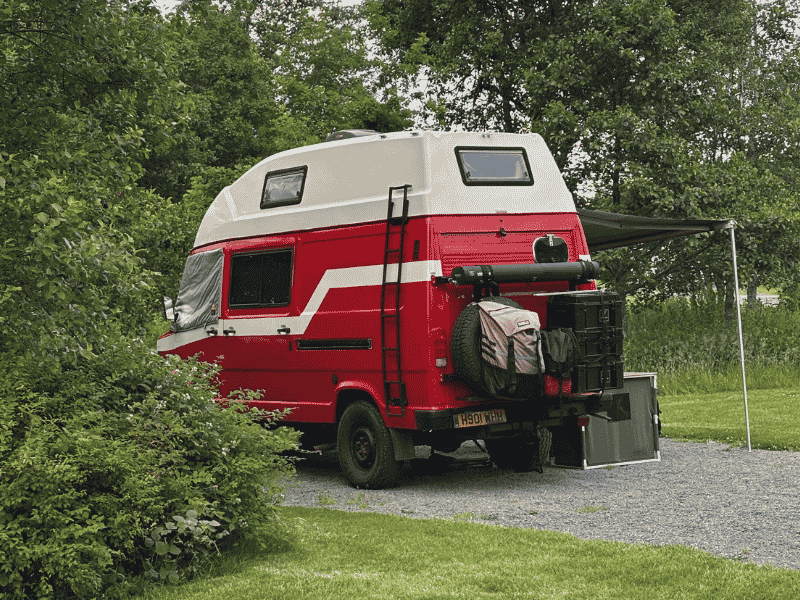
Stopping is part of travelling
Long-term travel changes your relationship with money.
When you’re away for a couple of weeks, you know roughly what you have to spend. When your camper is your home and there isn’t really an end date, things work differently.
You start thinking less about holiday budgets and more about sustainability.
Could we keep travelling continuously? Probably, but we'd either burn through savings or need to spend far more time trying to earn money while moving.
Seasonal work gives us another option.
For a few months, we can put the travelling part of life on hold. We work hard, earn money, sort jobs on the van and build up a pot for whatever comes next.
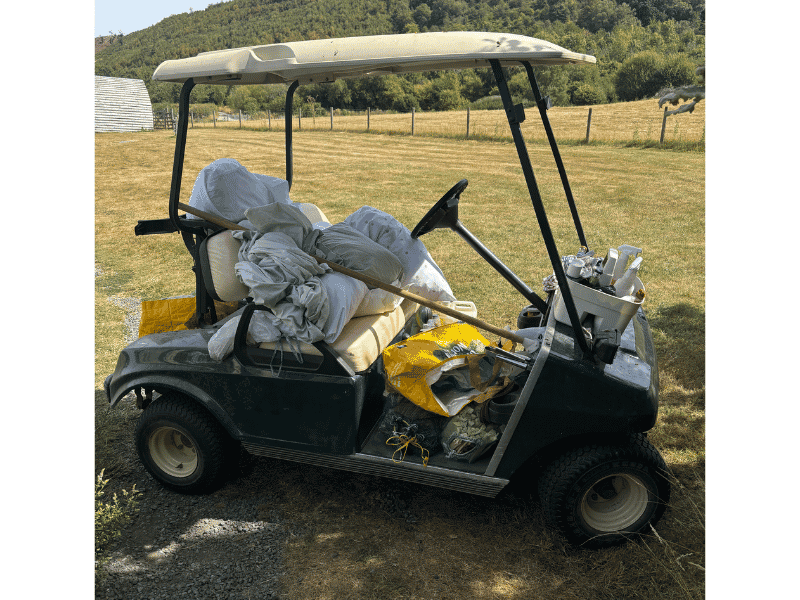
The reward is that when we eventually leave, we can travel properly again rather than constantly thinking about how much every mile is costing.
There’s something satisfying about that exchange.
You give up a little freedom now to buy yourself more freedom later.
Staying in one place also gives you something that travelling quickly never really can.
Routine.
Normally we might arrive somewhere, explore for a day or two and move on. This summer, we’ve watched the same landscape change over months.
Fforest Fields happens to be a pretty good place to do that. We’re surrounded by the hills of Mid Wales, and on quieter evenings it can feel very remote despite the campsite being full of life during busy weekends.
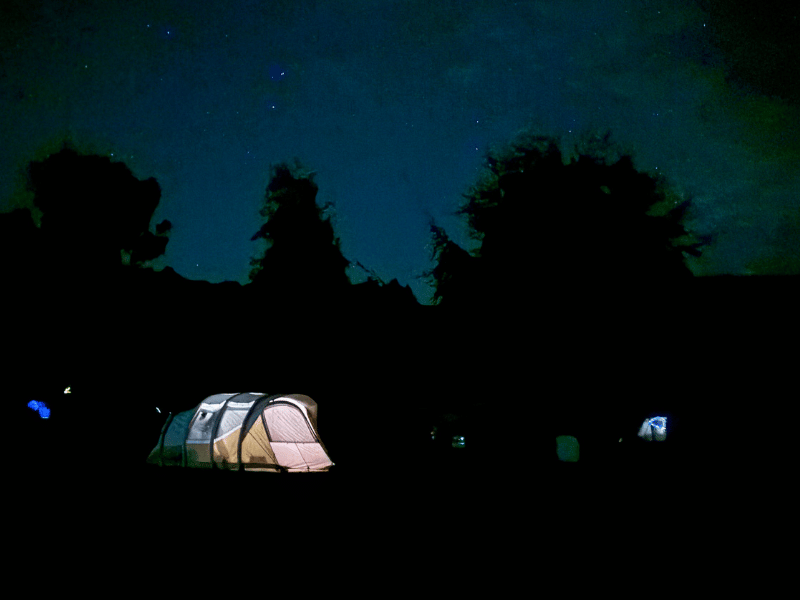
But the biggest difference hasn’t really been the scenery.
It’s been becoming part of somewhere.
When you travel constantly, you meet a lot of people briefly. Seasonal work means seeing the same people every day, getting to know regular campers and becoming involved in all the little things that happen behind the scenes to make somewhere run.
For us, much of that has revolved around food.
I've spent a large part of the season cooking, whether that's catering for groups, feeding cyclists after long days on the bike or simply getting food out during a busy weekend.
And inevitably, some of the food we've cooked has become tied to our memory of being here.
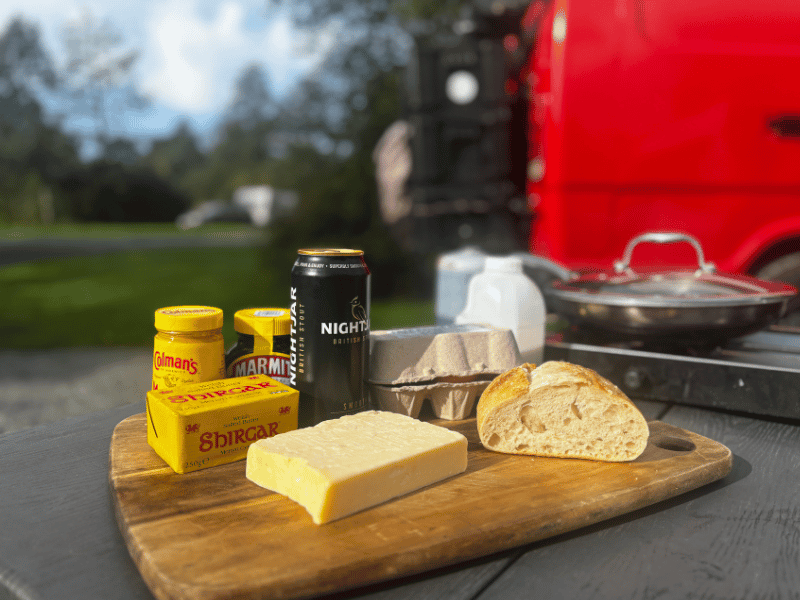
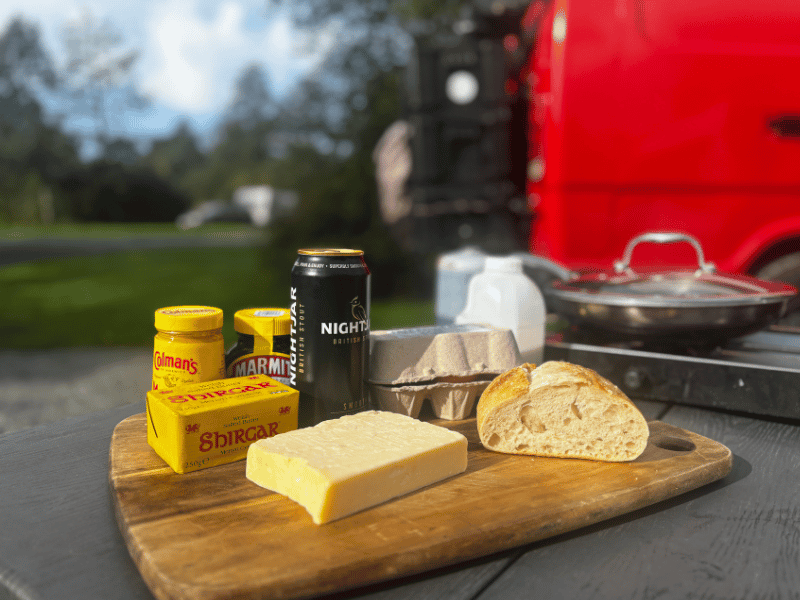
One of the simplest is Welsh rarebit. It’s a dish we leaned on. Local cheese from our shop, a can of local stout (Nightjar, which is now my favourite stout) and a dish that can been enjoyed before or after a long shift. Most people think of it as cheese on toast, but I have been working on making it much more memorable, with the same level of comfort. With a few tweaks, Welsh rarebit can sit happily on any restaurant menu.
It’s uncomplicated, cheap and exactly the sort of thing that works just as well from a camper kitchen. We let the mix cool down and keep it in our fridge, when ever we need a quick snack, this dish hits the spot. Perfect after work, perfect for breakfast and with the Chef tweaks, a dish I would happily serve to paying customers.
Nightjar Welsh Rarebit
Serves 4
Ingredients
300g mature cheddar, grated
1 tbsp butter
1 tbsp plain flour
100ml Nightjar beer
1 tsp English mustard
1 tsp Worcestershire sauce
1 egg yolk
Freshly ground black pepper
4 thick slices of good bread (sourdough is best)
1 spoon of marmite
2 spoons of butter
Method
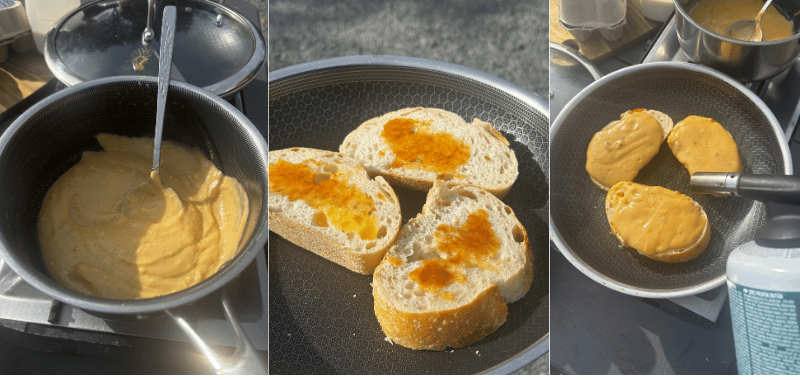
Toast the bread lightly on both sides and put it to one side.
Melt the butter in a saucepan, but take it a bit further, making it go a little brown and nutty, stir in the flour and cook gently for about a minute.
Gradually pour in the beer while stirring until you have a smooth, thick sauce.
Turn the heat down and add the cheddar a handful at a time, stirring until it has completely melted.
Add the mustard, Worcestershire sauce and a generous amount of black pepper.
Take the pan off the heat and leave it to cool for a minute or two before beating in the egg yolk.
Grill the bread in the pan and then spread a mixture of marmite and butter, with a little bit of mustard. This gives the bread a surprising lift.
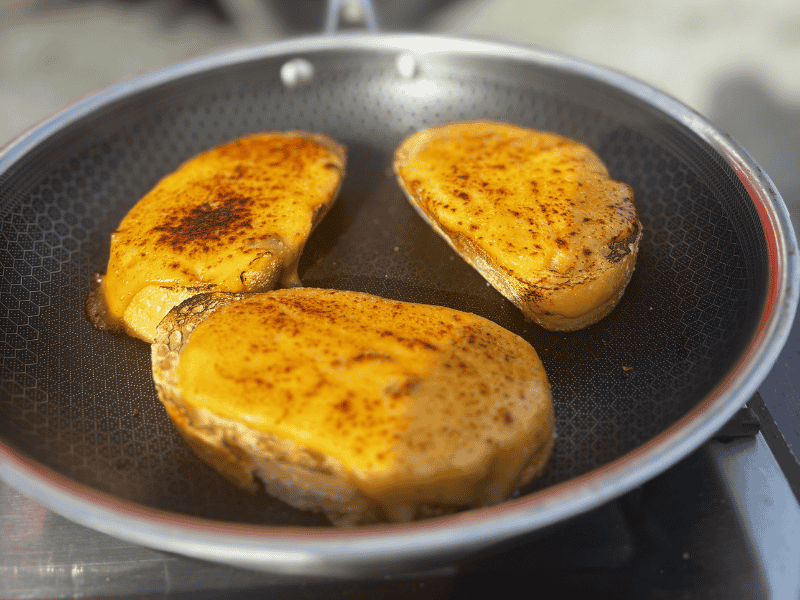
Now spread the cheese mixture generously over your toast, then place it in the pan with a lid on.
Use a blow torch for a grill replacement.
Serve up, ideally with a well earned can of NightJar!
Subscribe to our newsletter and get the latest articles delivered straight to your inbox